
Historical Timeline
Key events in Eritrean history — drag or scroll the ruler to explore, click an event flag to read its story.
1 Jan, 1500
Timeline of the History of Eritrea
The major historical events in the history of Eritrea chronologically ordered in an interactive graphical timeline
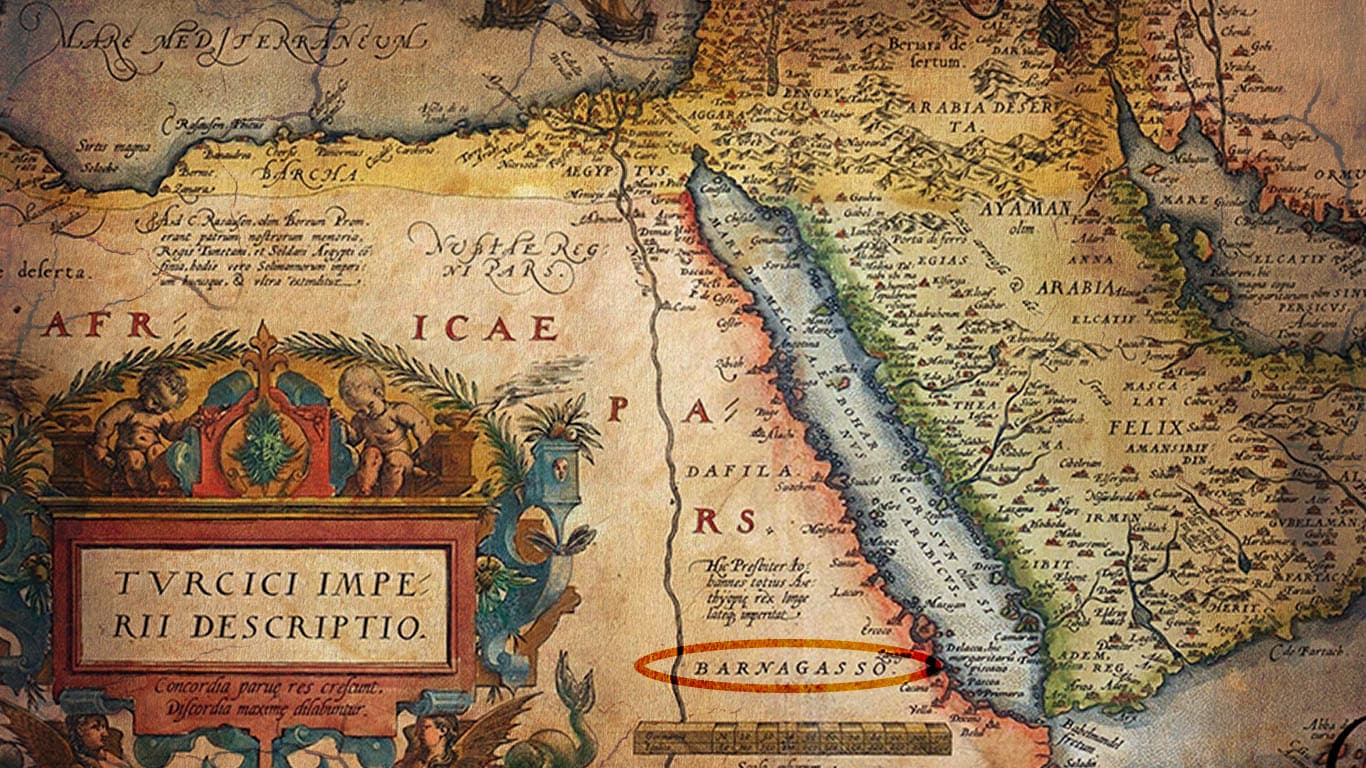
In the year 1517
Ottoman expansion in the Red Sea
Ottoman Empire expands further south in the Red Sea to control the trading routes and posts in the Arabian peninsula and the shores of northeastern Africa.
In the year 1520
Bahri Negassi Dori Fegaga Yohannes
Bahri Negassi Dori Fegaga Yohannes ruled Medri Bahri, the central highlands of modern-day Eritrea up to the Red Sea coast, from his capital at Debarwa.
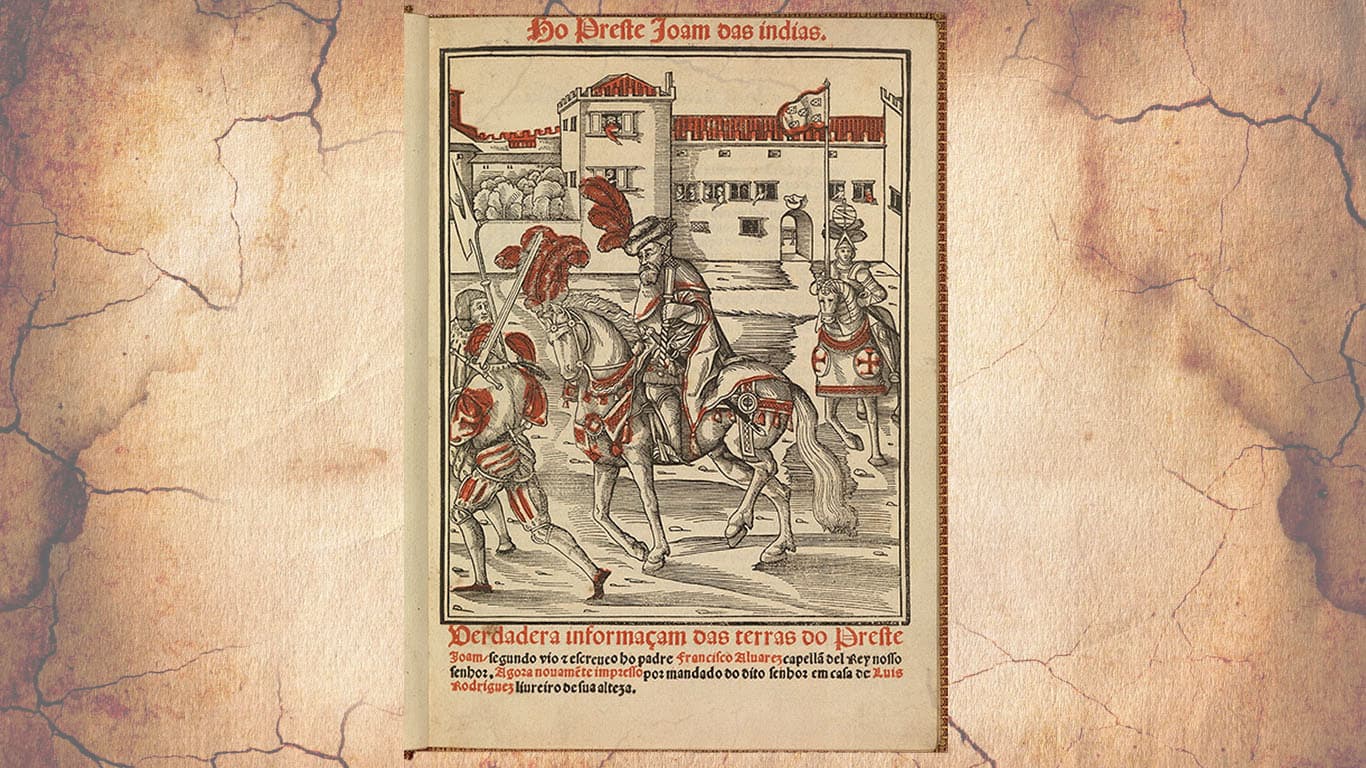
In the year 1520
Portuguese Traveler Arrived at Debarwa
Portuguese travler and priest, Francisco Alvarez, arrived at Debarwa and met with Bahri Negassi Dori, king of Medri Bahri.
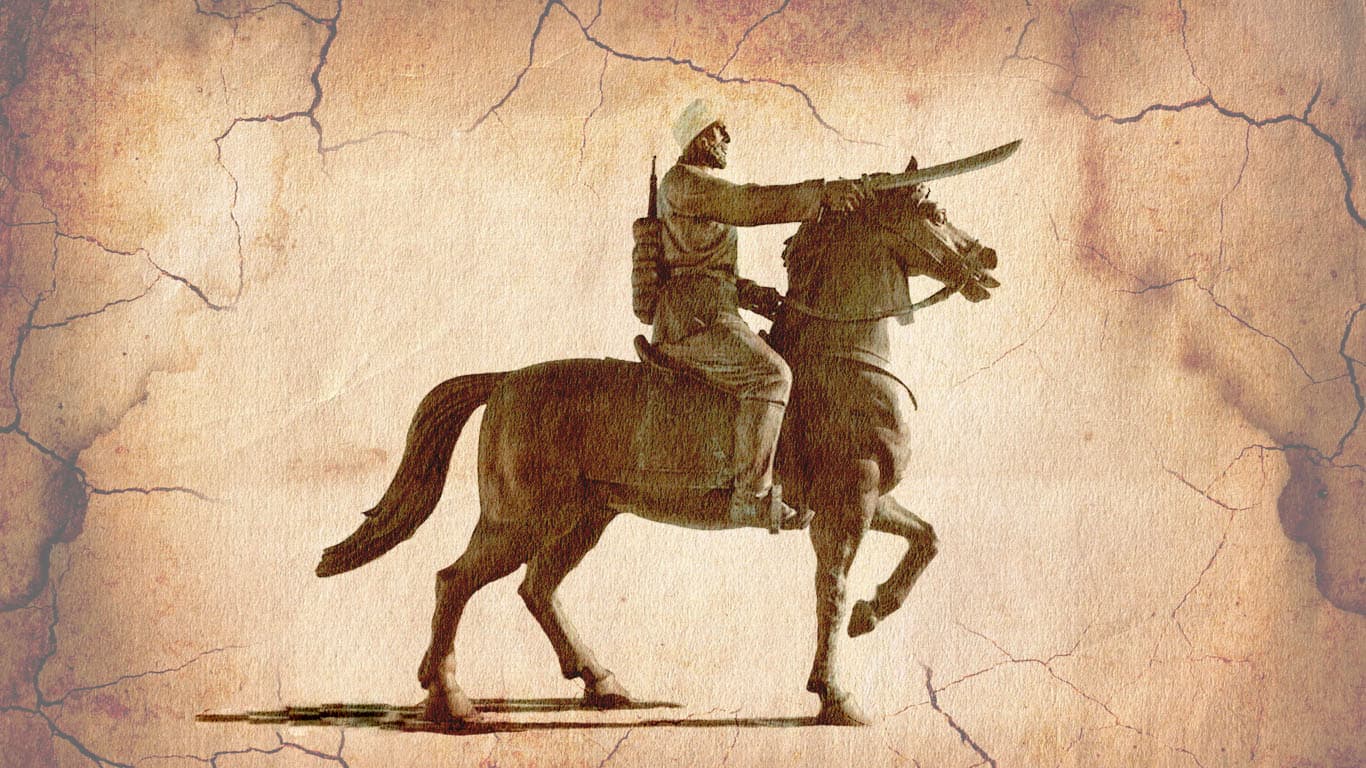
Between the years 1533 and 1535
Ahmed Gragn Conquered Northern Abyssinia and Medri Bahri
Ahmed Gragn/Gurey al-Ghazi of Adal, current day Somalia, conquered northern Abyssinia and Medri Bahri reaching the central highlands of modern Eritrea.
22 May, 1541
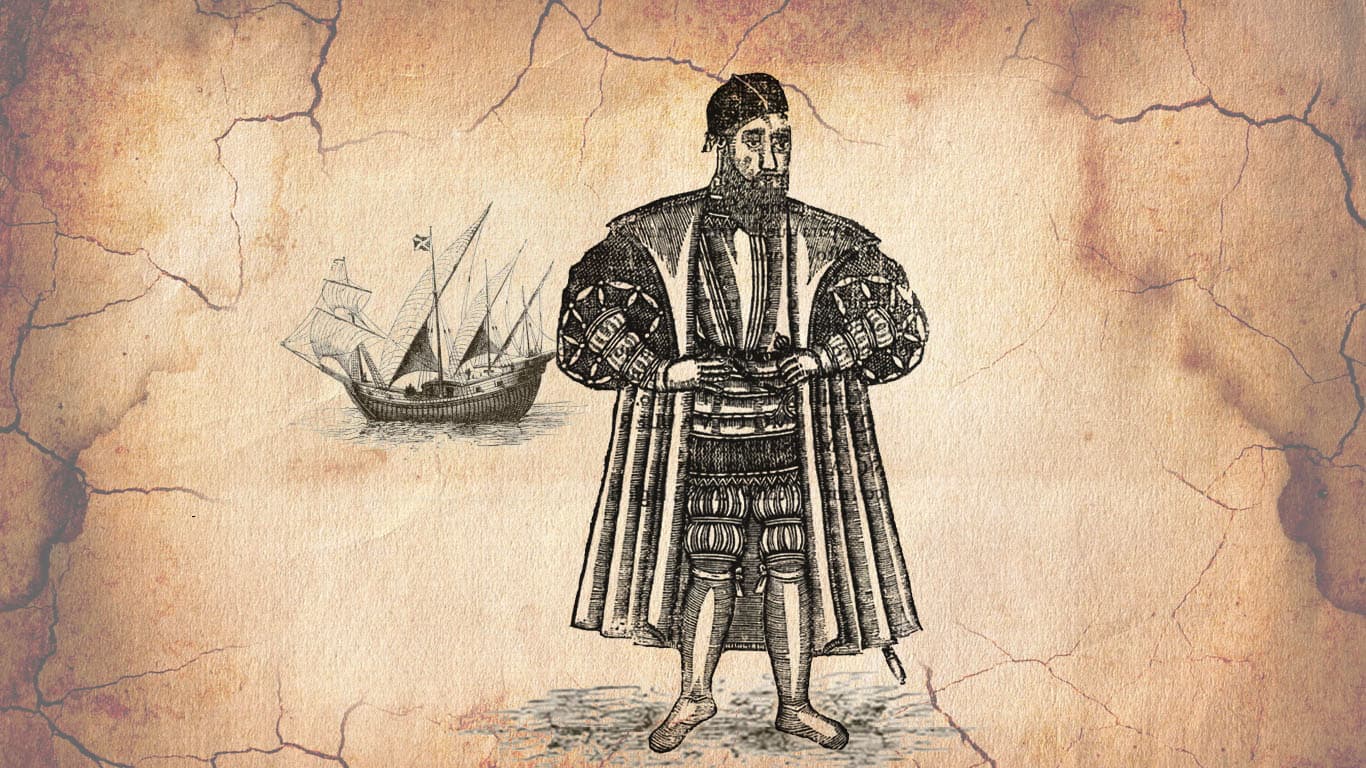
Portuguese Forces Landed at Massawa
Portuguese expedition forces led by Estêvão da Gama arrived at Massawa. At the request of the Abssinian Emperor, expeditionary force of 400 men under Cristóvão was sent to fight back Ahmed Gurey of Adal. Bahri Negassi provided assistance.
25 Mar, 1542 - 22 Feb, 1543
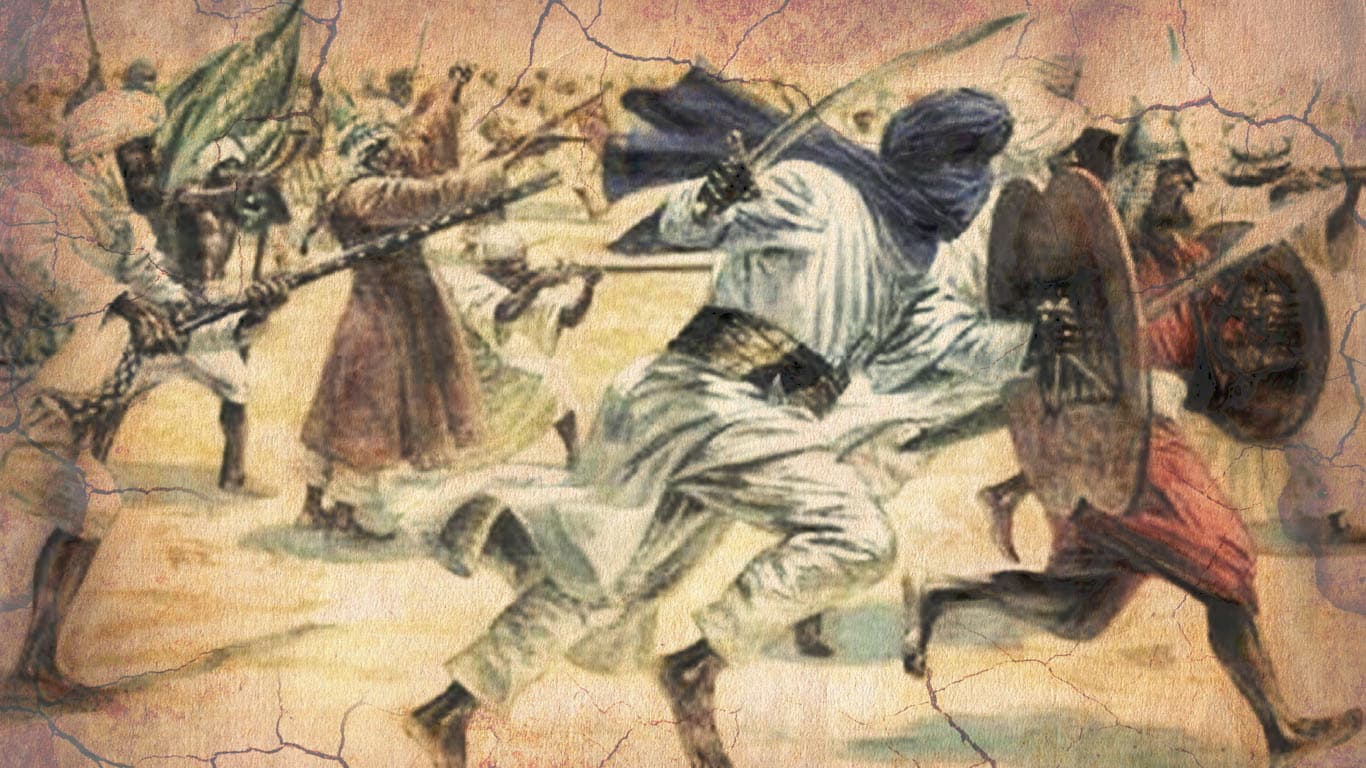
Bahri Negassi Yeshaq Fought Against Ahmad Gurey
Bahri Negassi Yeshaq, the medieval ruler of the kingdom of Medri Bahri in present-day Eritrea, joined the Abyssinian Empire and the Portuguese to defeat Ahmad Gragn/Gurey of Adal
In the year 1550
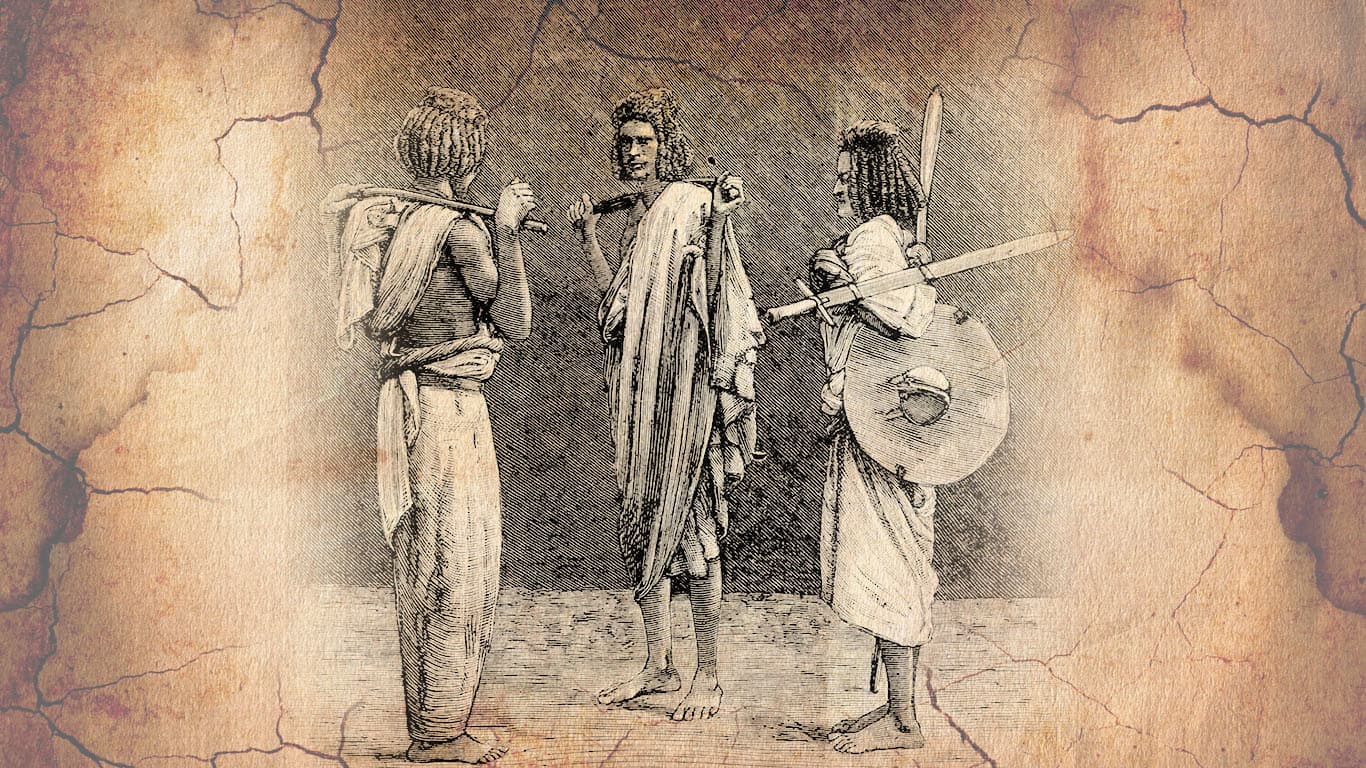
Beni Amer Confederecy Formed
After the alliance with the Funj of Sudan and together defeating their Belew rulers, the Beni Amer led by Amer Kunu form a confederecy
In the year 1557
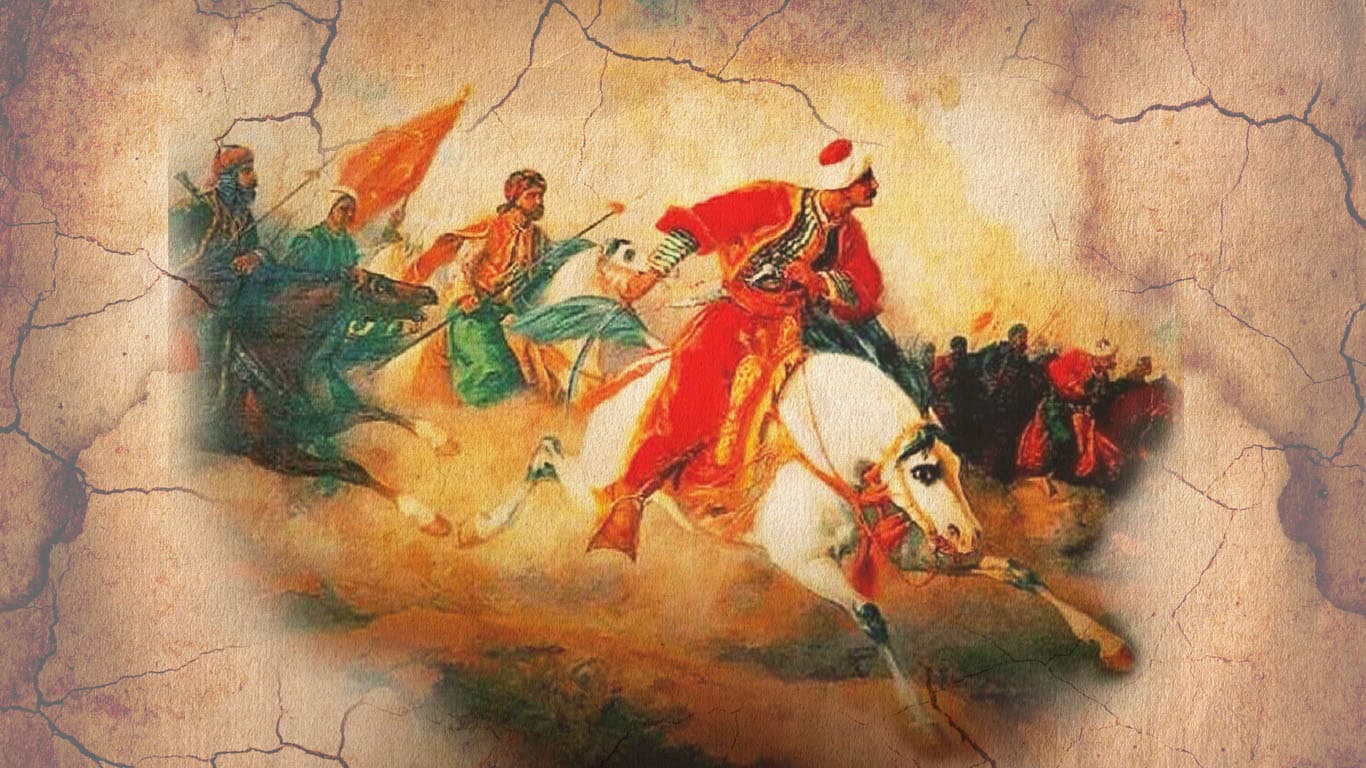
Bahri Negassi Yeshaq Fought Back Turkish Invasions
Bahri Negassi Yeshaq fought back the invading Ottoman Turks by leading the local peasantry recapturing Debarwa, the capital of his kingdom of Medri Bahri.
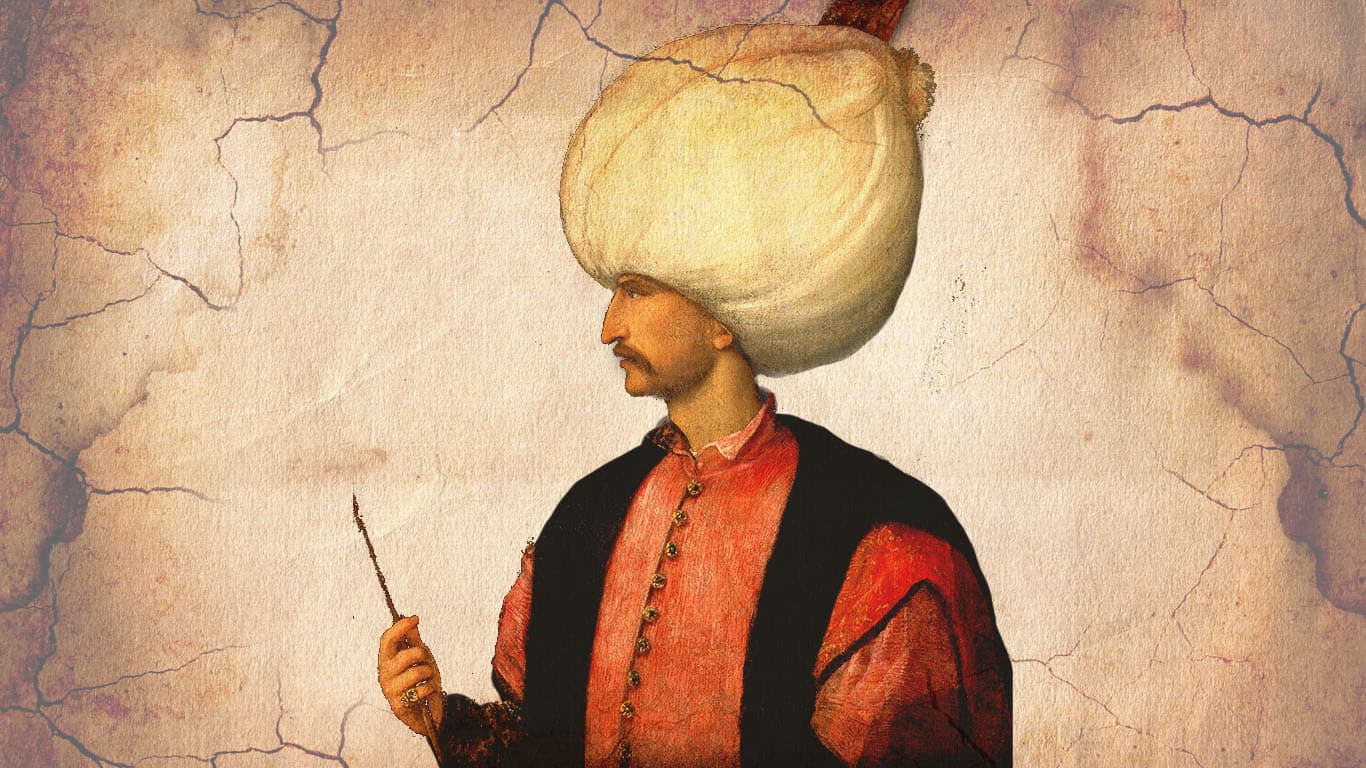
In the year 1557
Ottoman Turks Occupied the Harbor of Massawa
Massawa was captured by the Ottoman Empire in 1557. The Ottomans made it the capital of Habesh Eyalet with the intention of expanding further inland into Medri Bahri.
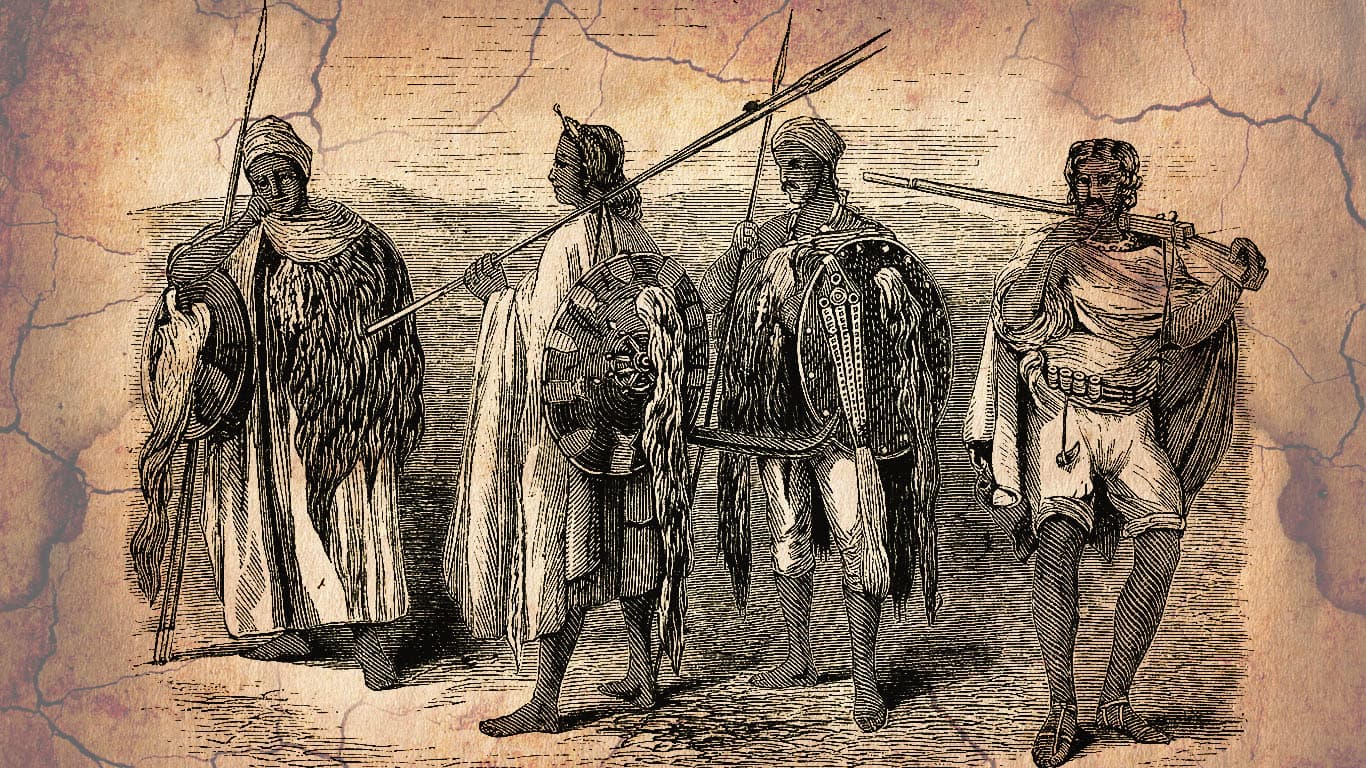
In the year 1578
Bahri Negassi Yeshaq Revolted Against Abyssinia
Bahri Negassi Yeshaq revolted against Abyssinia; Midri Bahri was devided into Ottoman-controlled coast and Abyssinia-controlled highlands
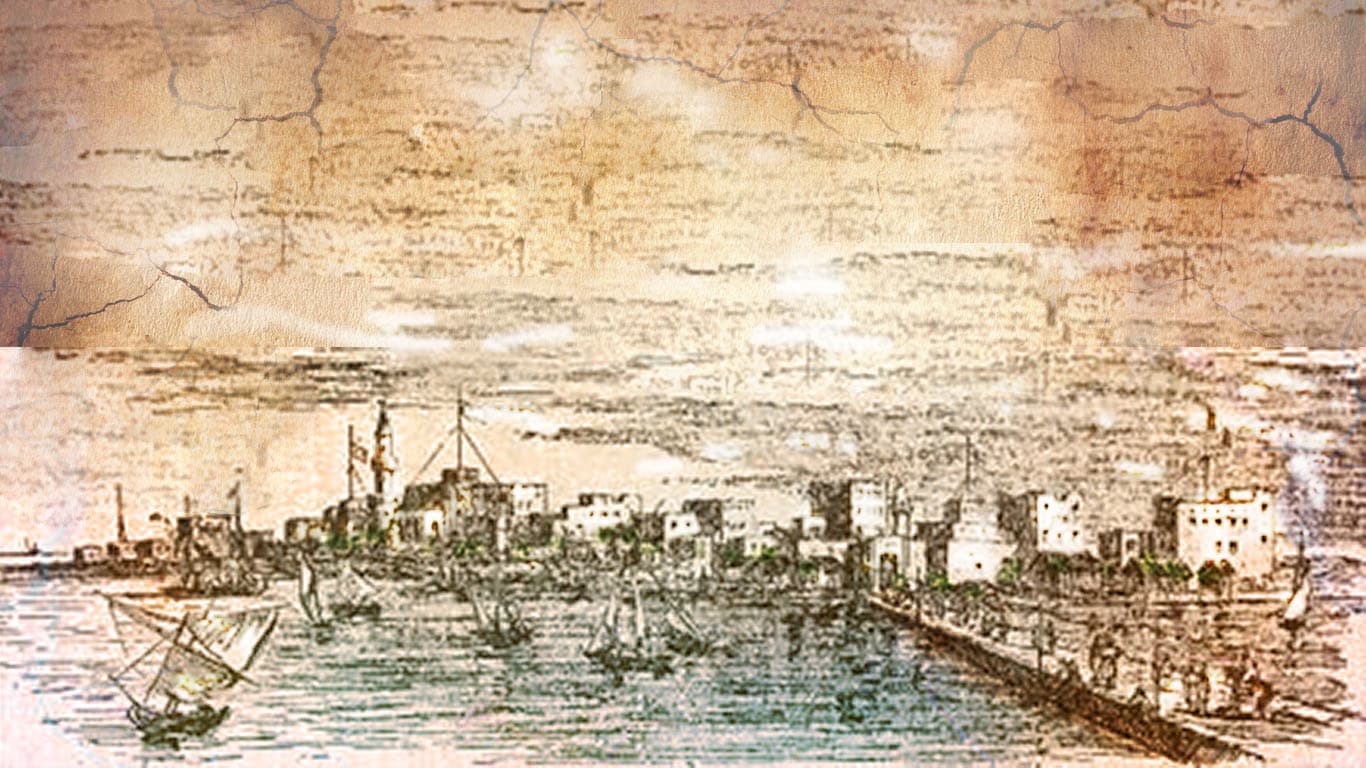
In the year 1589
Ottoman Turks Appoint the Naib to Govern Coast
Ottoman Turks appoint the Naib to govern the Coastal plains while the highlands remained under the Abyssinian-supported Bahri Negassi
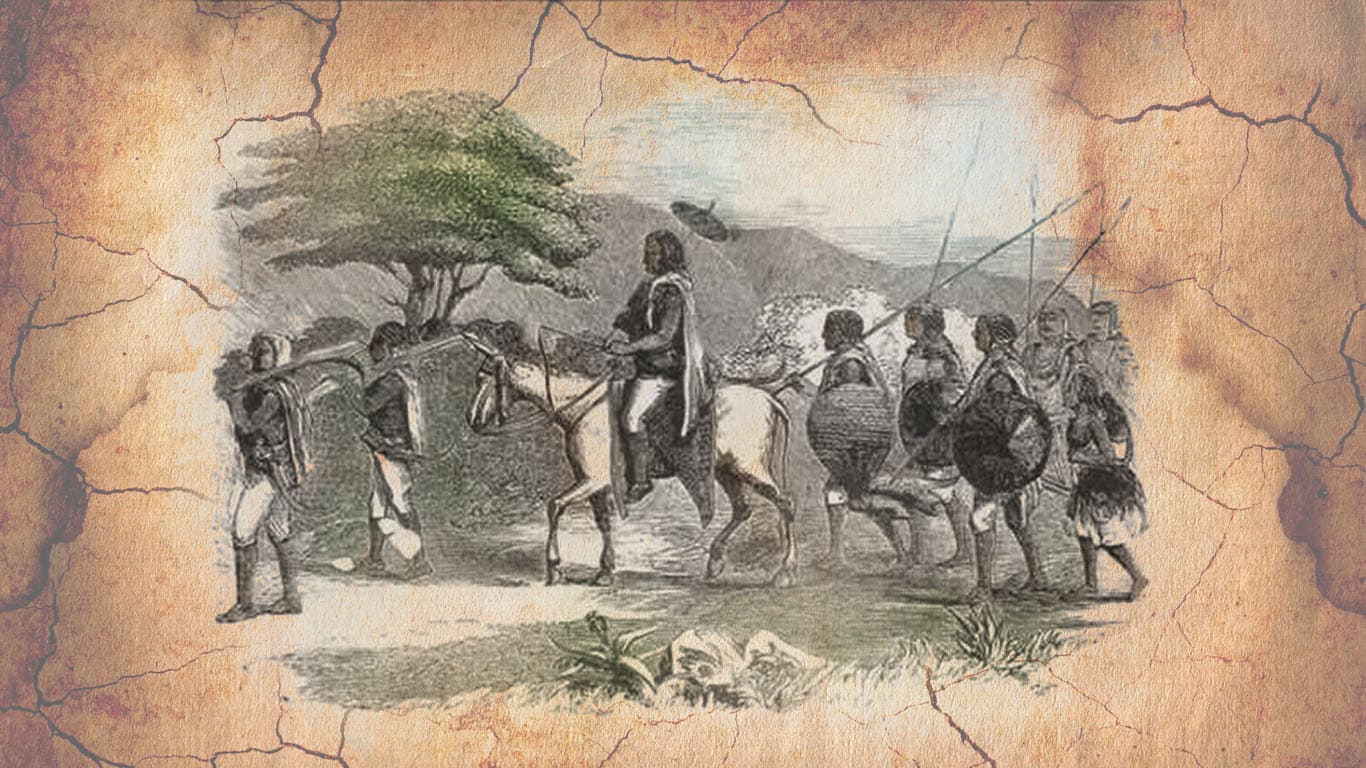
In the year 1700
Bahri Negassi Gebrekristos of Tsazzega rules Mereb Mellash
Bahri Negassi Gebrekristos of Tsazzega rules Mereb Mellash and Tigray - at the height of the Baheri Negassis' independent power
In the year 1700
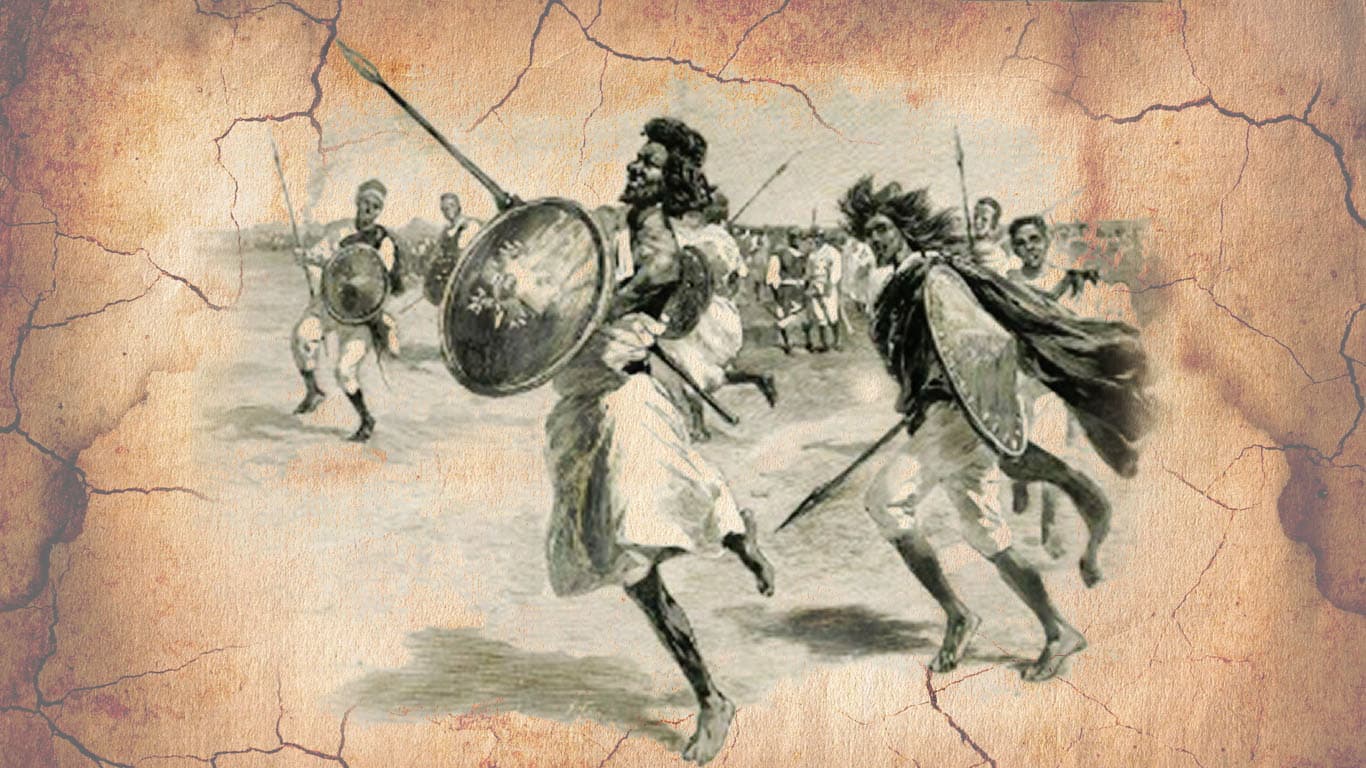
Rival Houses of Hazzega and Tsazzega emerged
Rival houses of Hazzega and Tsazzega emerged and would vie for control of Mereb Mellash for the next 130 years
In the year 1768
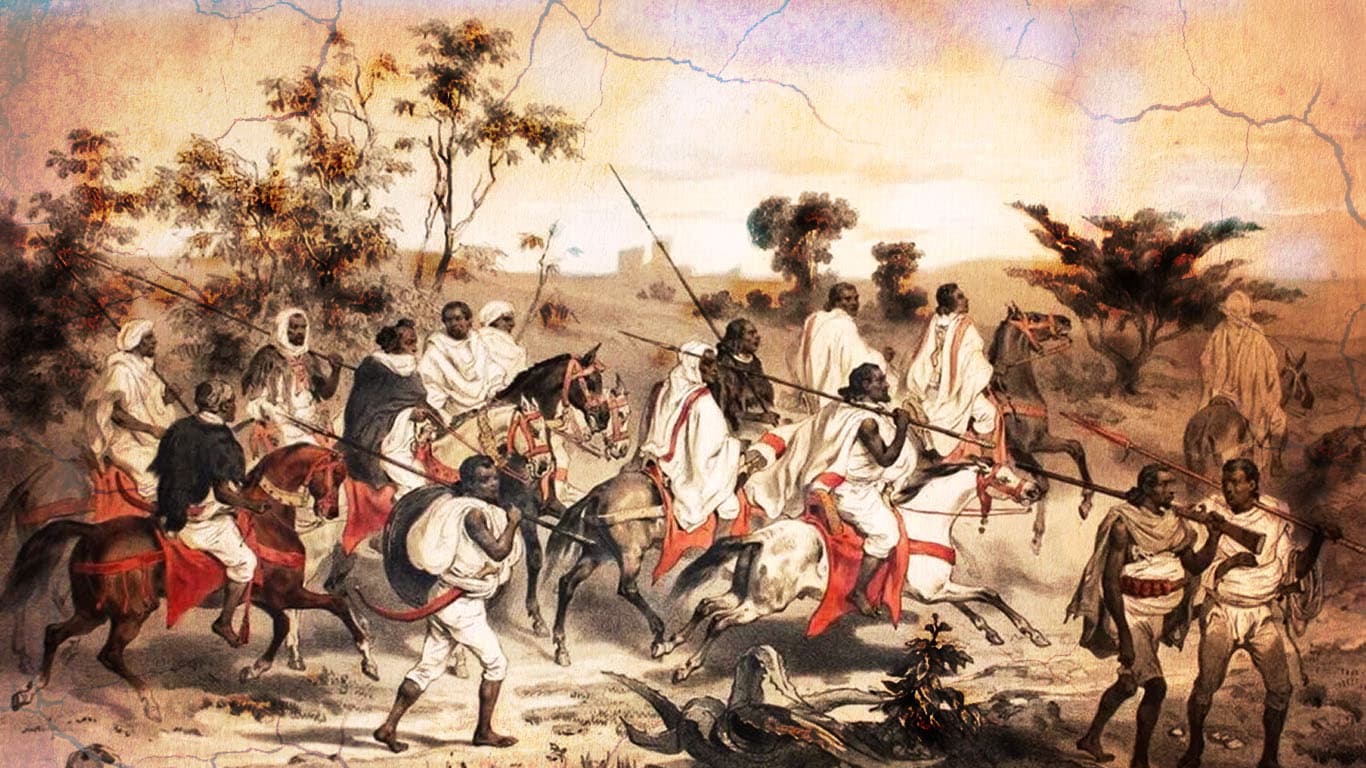
Rise of Ras Michael Sehul of Tigray and the Deposition of Bahri Negassi Bokre
Bahri Negassi Bokru was deposed and Ras Michael Sehul of Tigray took power in the highlands
In December of 1813
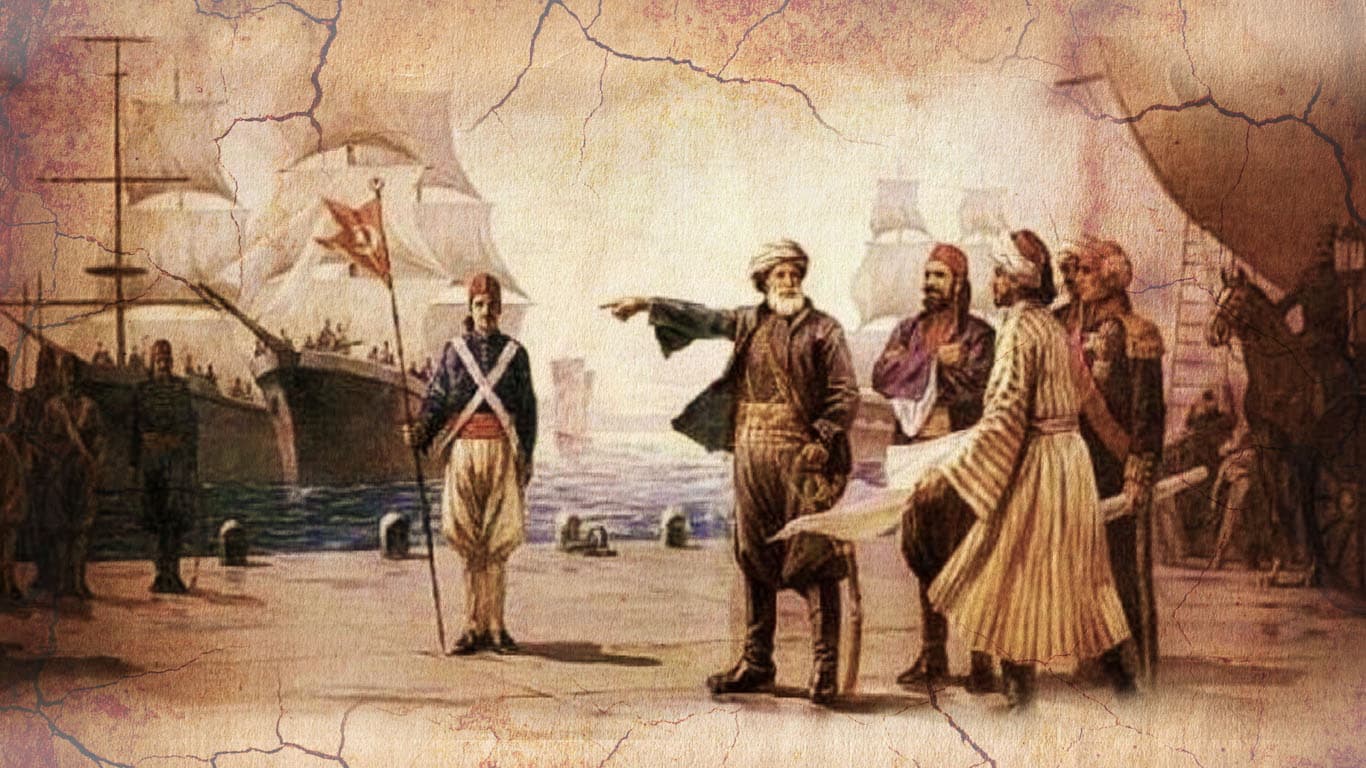
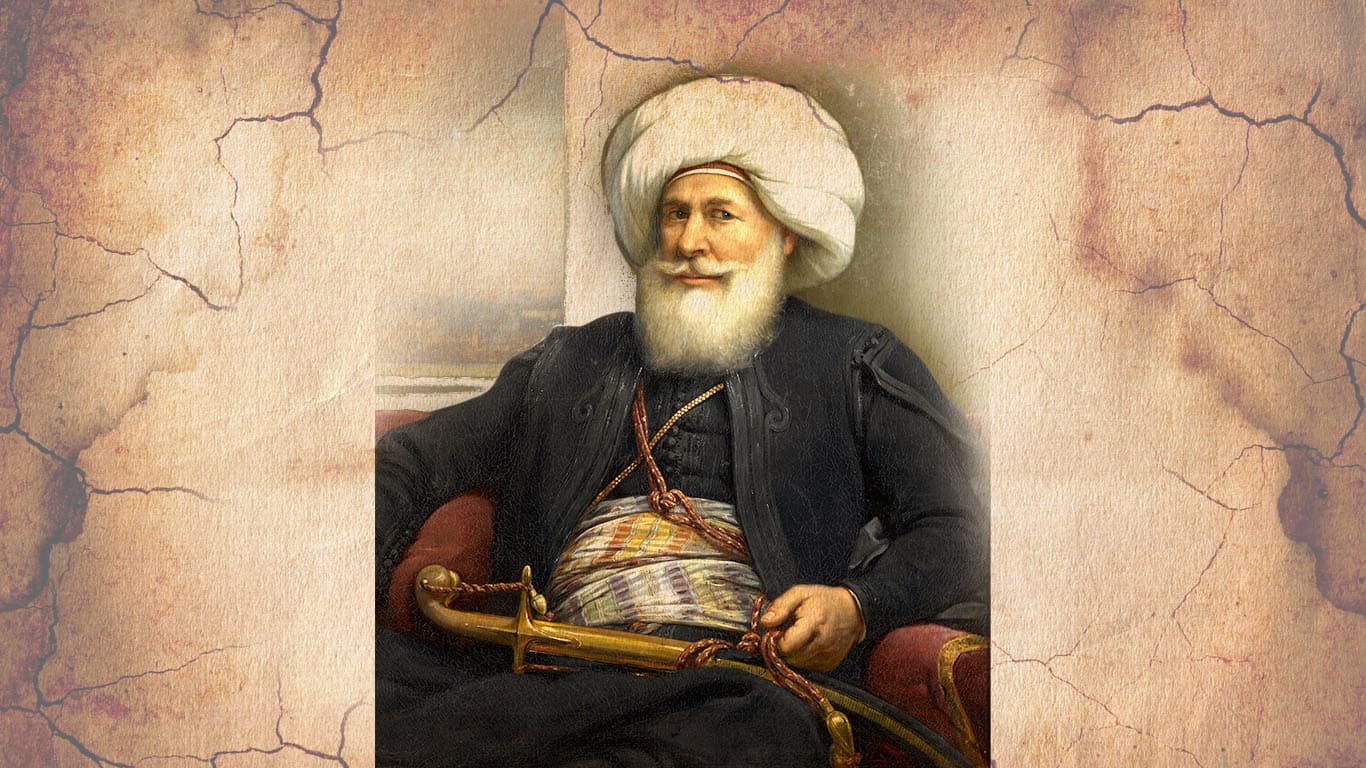
Mehmet Ali of Egypt took Massawa
Mehmet Ali of Egypt took the administration of the Eyalet of Habesh including the port of Massawa, eroding the power of the local Naib nobility, after he defeated the Saudis who led the Wahhabi uprising in the Arabian Peninsula.
In the year 1826
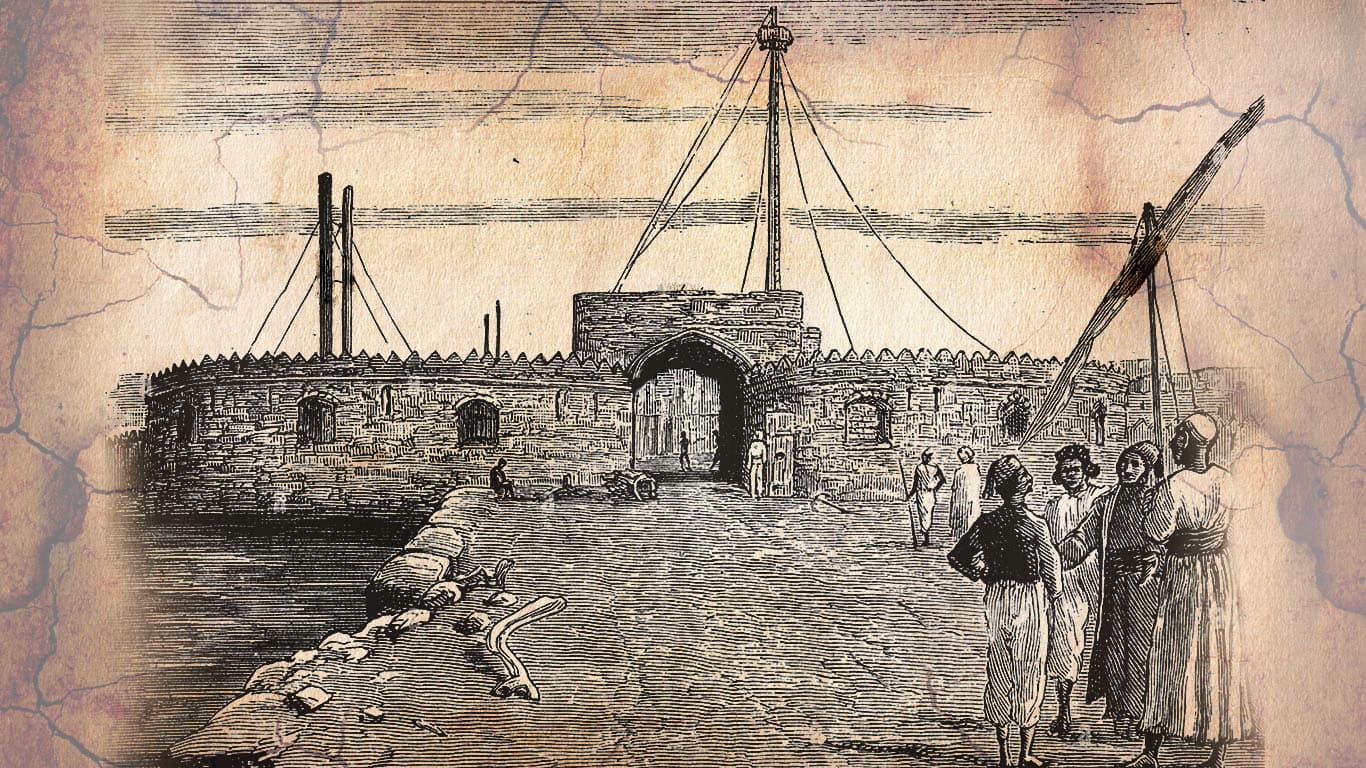
Naib Yahya Rebelled Against Egyptian Rule
Naib Yahya of Hirgigo rebelled against the Egyptian rule under Ibrahim Pasha after he was dismissed from his position forcing the Egyptians to negotiate a truce.
In the year 1832
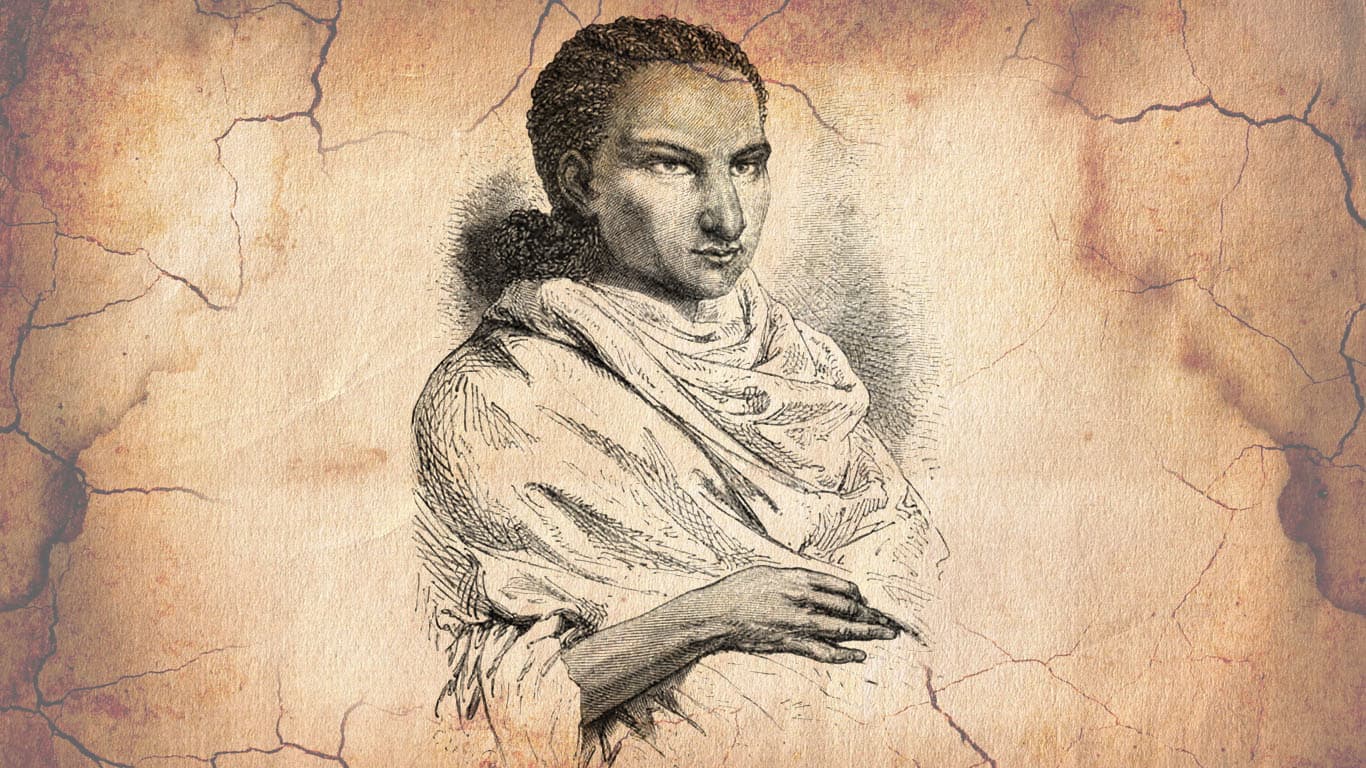
Dejazmach Wube of Semien dominated Mereb Mellash
Dejazmach Wube of Semien dominated Mereb Mellash with ruthless miltary raids and pillaging for 8 years.
In the year 1832
Egyptians Raid Western Lowlands
Egyptians raid western lowlands for lucrative slave trade and taxation through their garrison at Kassala raiding the lands of the Beni Amer, Nara, Kunama and Bilen.
In the year 1837
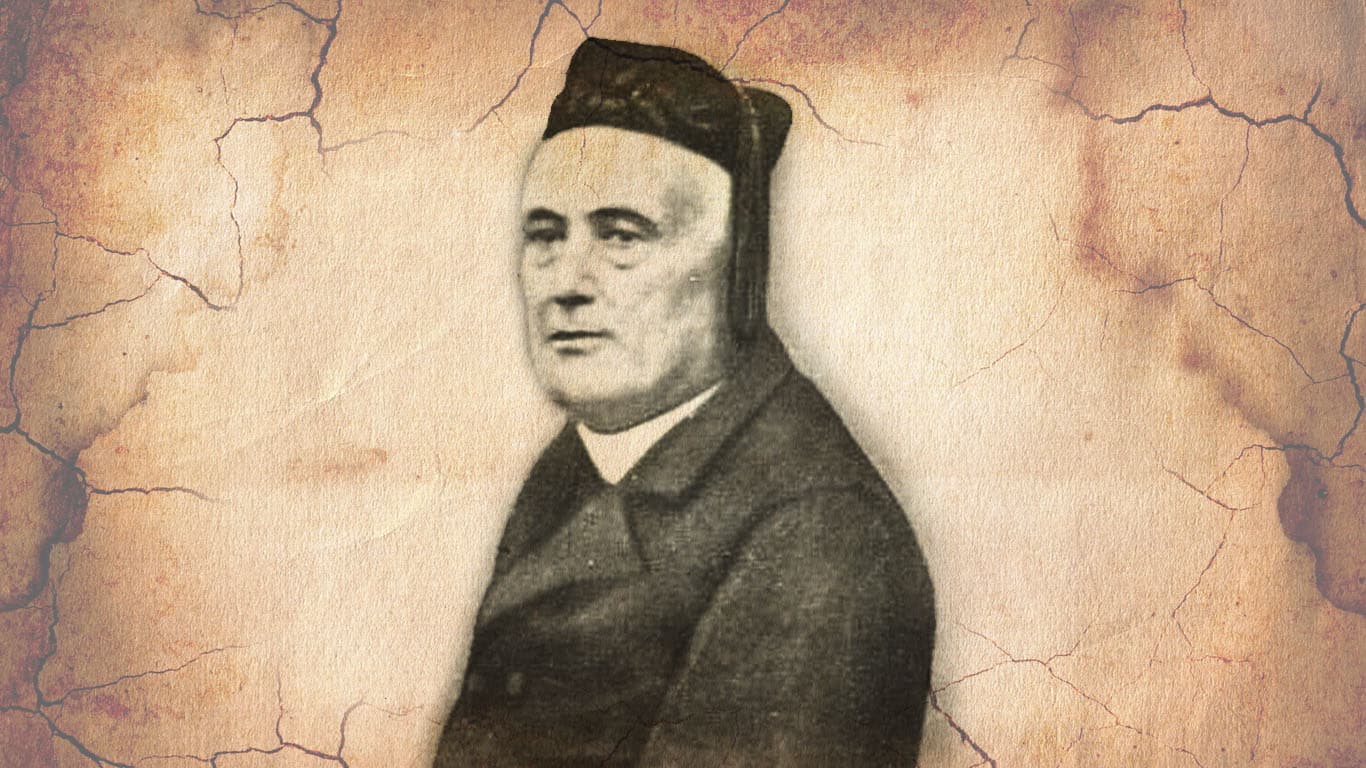
Father Giuseppe Sapeto founded Catholic Missionary
Father Giuseppe Sapeto arrived in the southern coastal areas of Denkalia and established an Italian Catholic Missionary
In the year 1841
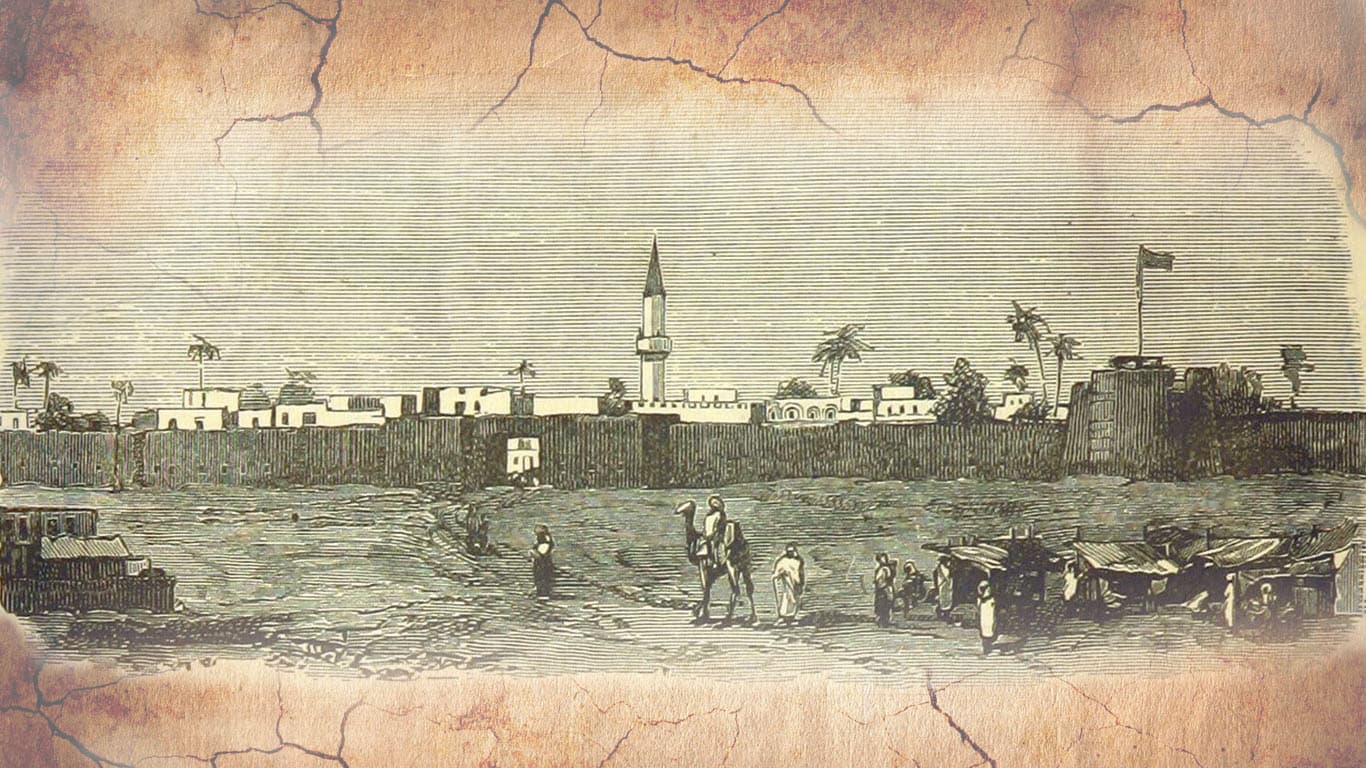
Egyptian fortification of Kassala and the Subjugation of the Beni Amer
The Egyptians fortified the city of Kassala and raided the surrounding region subjugating the Beni Amer people.
In the year 1844
Dejazmach Wube Intensified His Ruthless Rule
Dejazmach Wube continued his 6-year long, brutal military administration in highlands, constantly raided lowlands, used divide-and-rule strategy and sought French and British support.
In the year 1846
Second occupation of Massawa by Egyptians
Having had lost his rule over Massawa because of the resurgence of the Wahhabi rebellion against the Ottomans, Mehmet Ali Pasha was given back his position to rule Massawa
In the year 1856
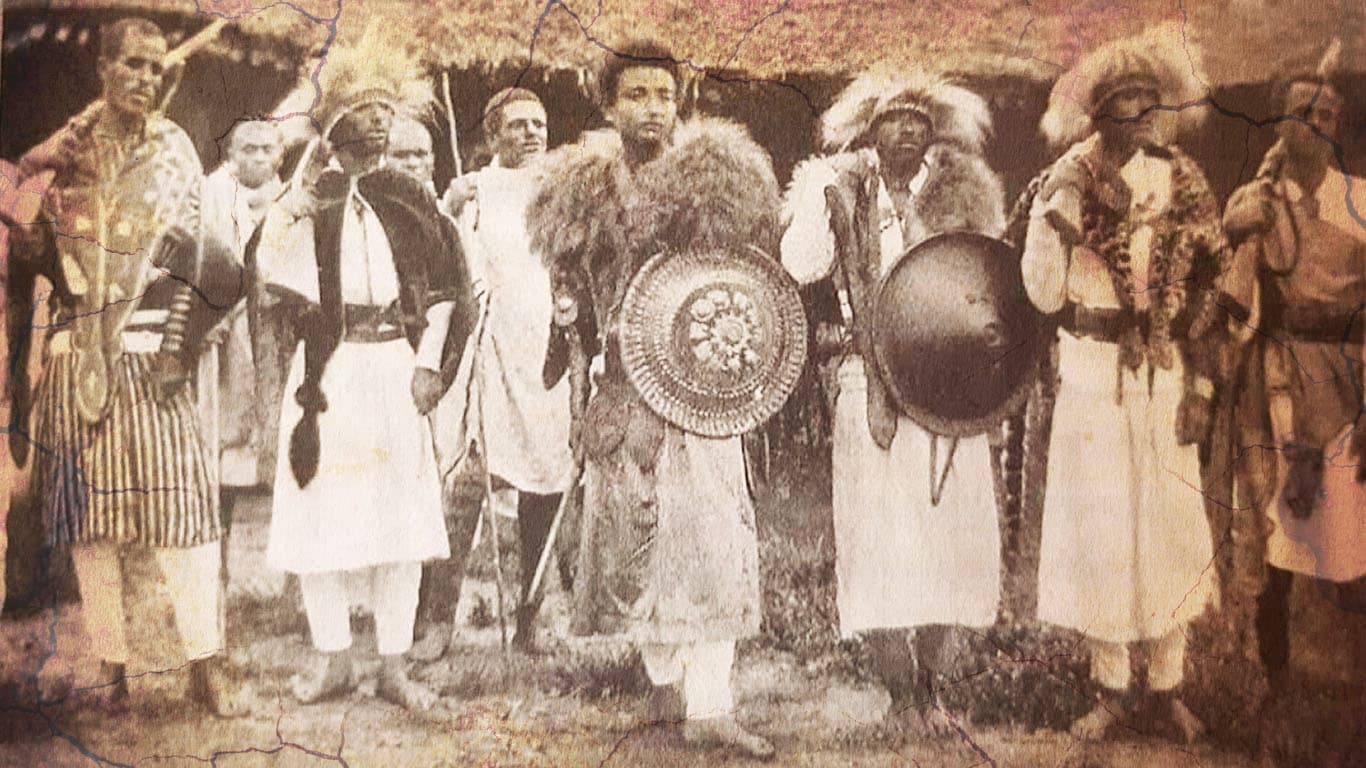
Degiats Hailu and Woldemichael feuded to Rule Mereb Mellash
Degiat Hailu of Tsazzega and Degiat Woldemichael of Hazzega started vying for control of Hamasien and their feud carries on for 20 years.
In the year 1865
Third occupation of Massawa by Egyptians
Third occupation of Massawa by Egyptians
2 Jan, 1868 - 13 May, 1868
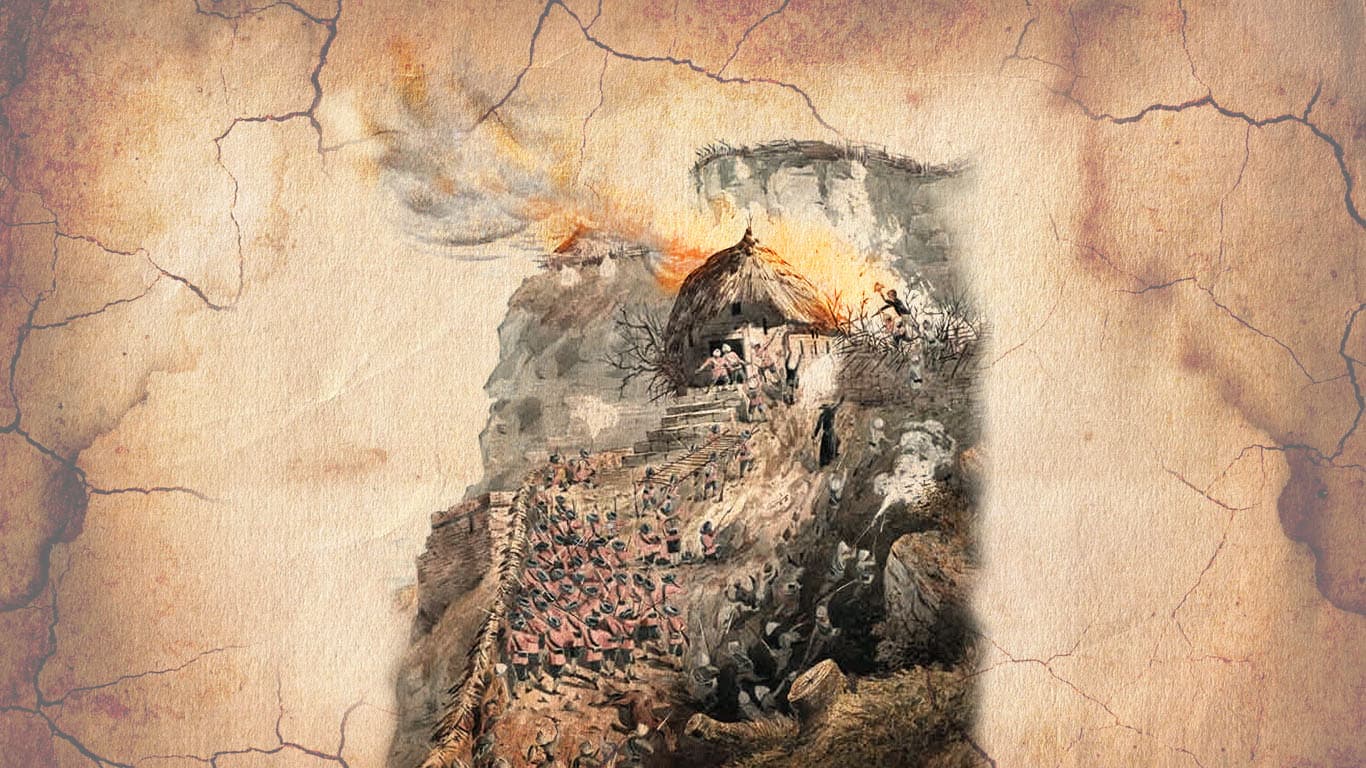
British Expedition Against Emperor Tewodros II of Abyssinia
Gen. Napier's British Expedition against Tewodros II of Abyssinia landed at Zula (Eritrea) for provoking Queen Victoria. Kassa Mercha became Emperor Yohannes IV upon Tewodros' demise by aiding the expedition.
15 Nov, 1869
Italian Purchase of the Port of Assab by Giuseppe Sapeto
Italian missionary Giuseppe Sapeto purchased the Port of Assab as Italy joins the European "Scramble for Africa", racing to acquire land on the Red Sea coast of Africa
In the year 1872
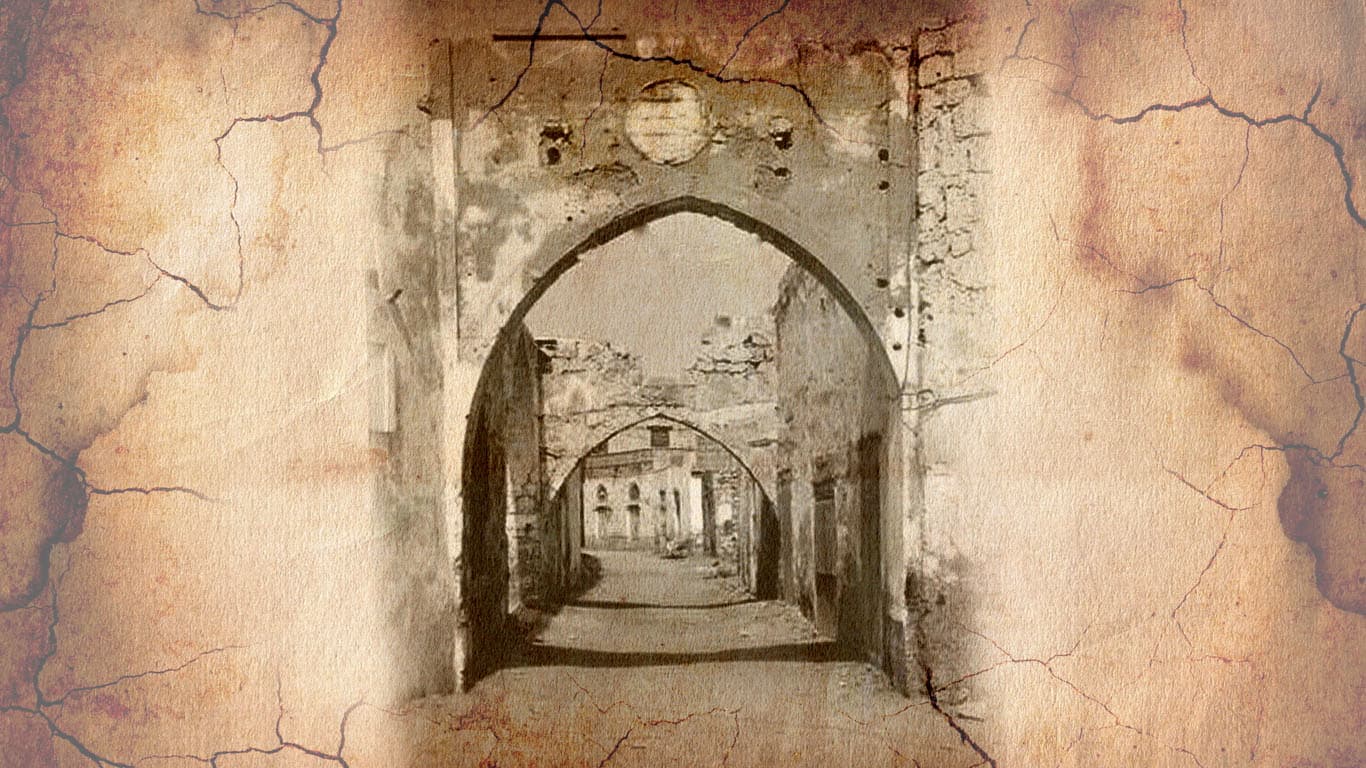
Egyptians Fortified Massawa, Keren and Hrgigo
Ismail Pasha of Egypt fortified the garrisons at Massawa, Keren and Hrgigo to put his expansive plans into action and invade Abyssinia-controlled fertile highlands and the Barka delta
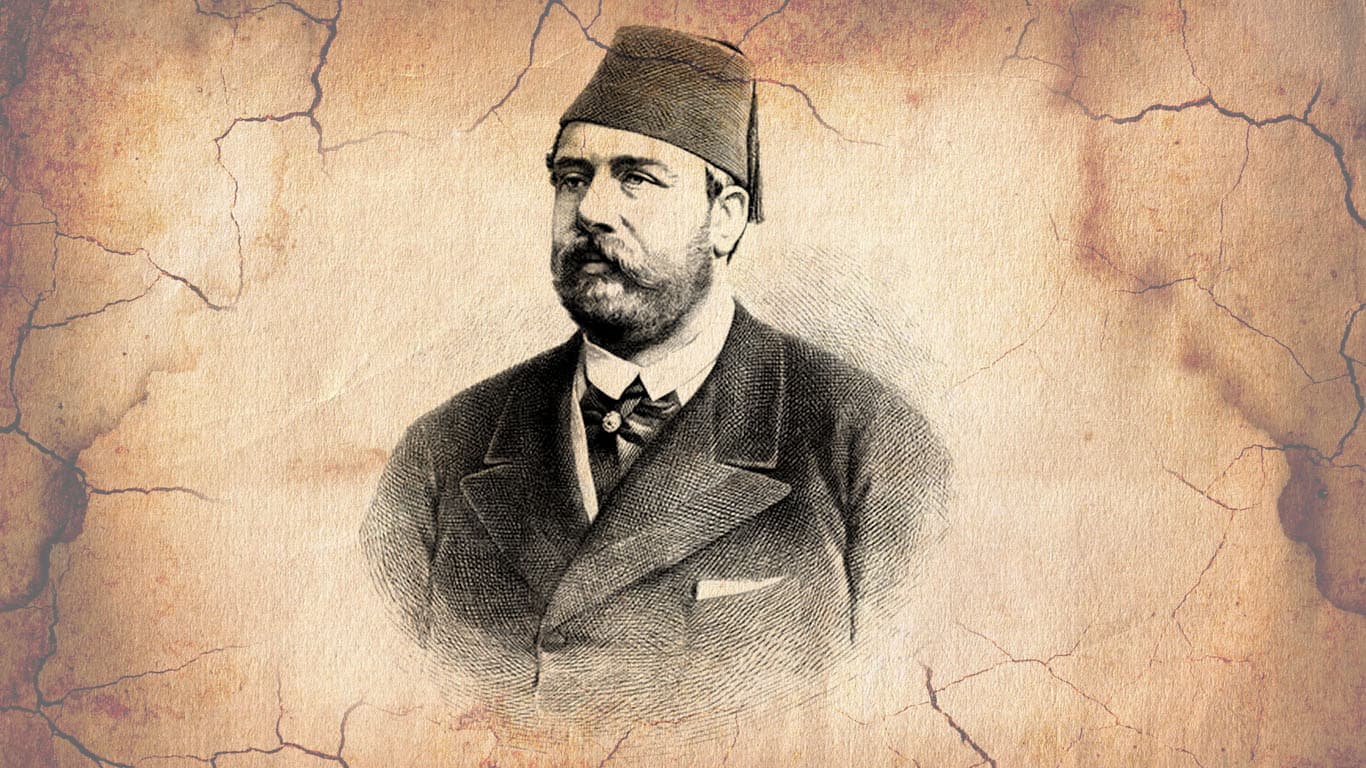
16 Nov, 1875
The Battle of Gundet
Egyptian forces, moving further inland, were ambushed by the Abyssinian army at a narrow pass at Gundet; with many dead, they were forced to retreat back to Keren and Massawa
In February of 1876
Degiat Woldemichael Given the Title of Raesi (Duke)
Degiat Woldemichael offered his army to support the Egyptians against Yohannes IV; it was declined but given the title of Raesi (eqivalent to Duke)
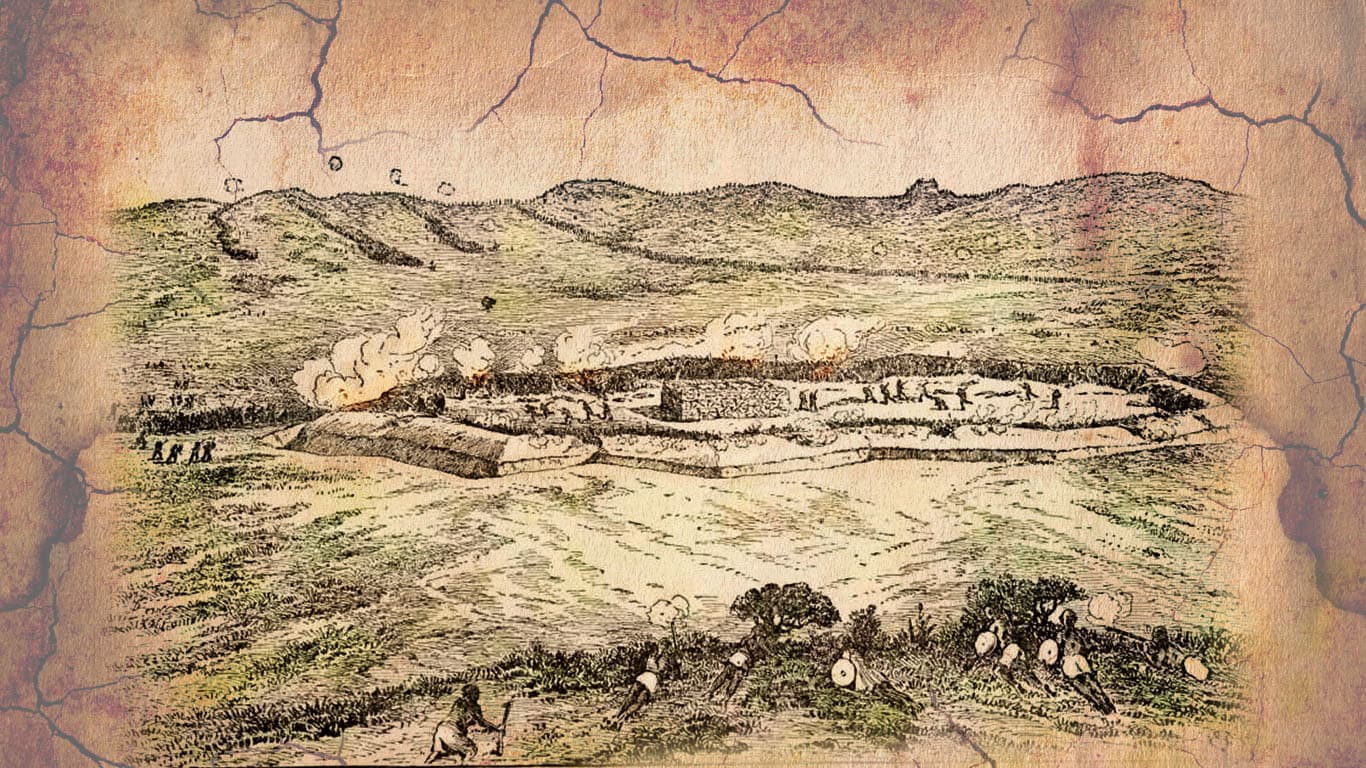
8 Mar, 1876 - 9 Mar, 1876
The Battle of Gura’e
At the Battle of Gura'e, Egyptian fortress at Gura'e was attacked by the Abyssinian army under Emperor Yohannes IV.
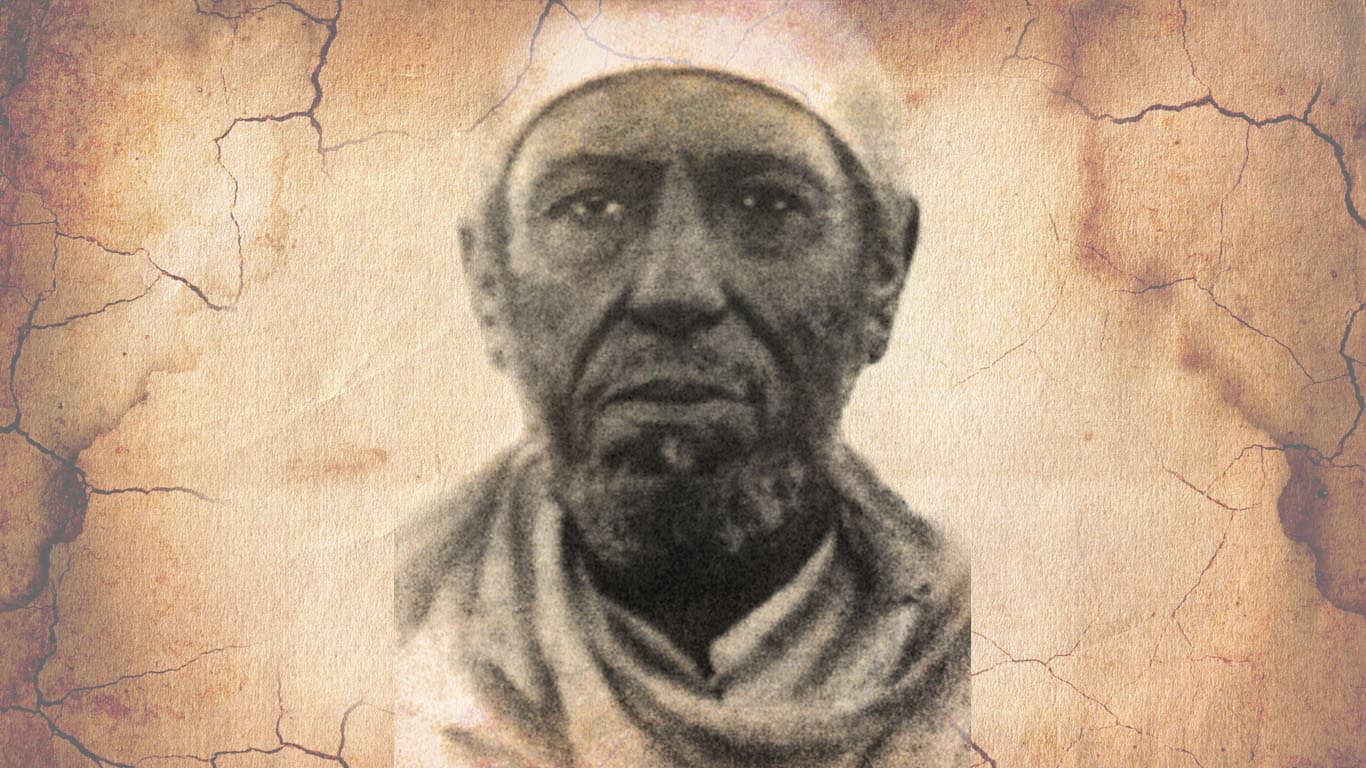
17 Jul, 1876
Raesi Woldemichael Solomon Consolidated Power In Eritrean Highlands
Raesi Woldemichael Solomon consolidated power in the highlands of Eritrea by defeating Degiat Hailu who was favored by Emperor Yohaness IV of Abyssinia at the Battle of Wekidiba
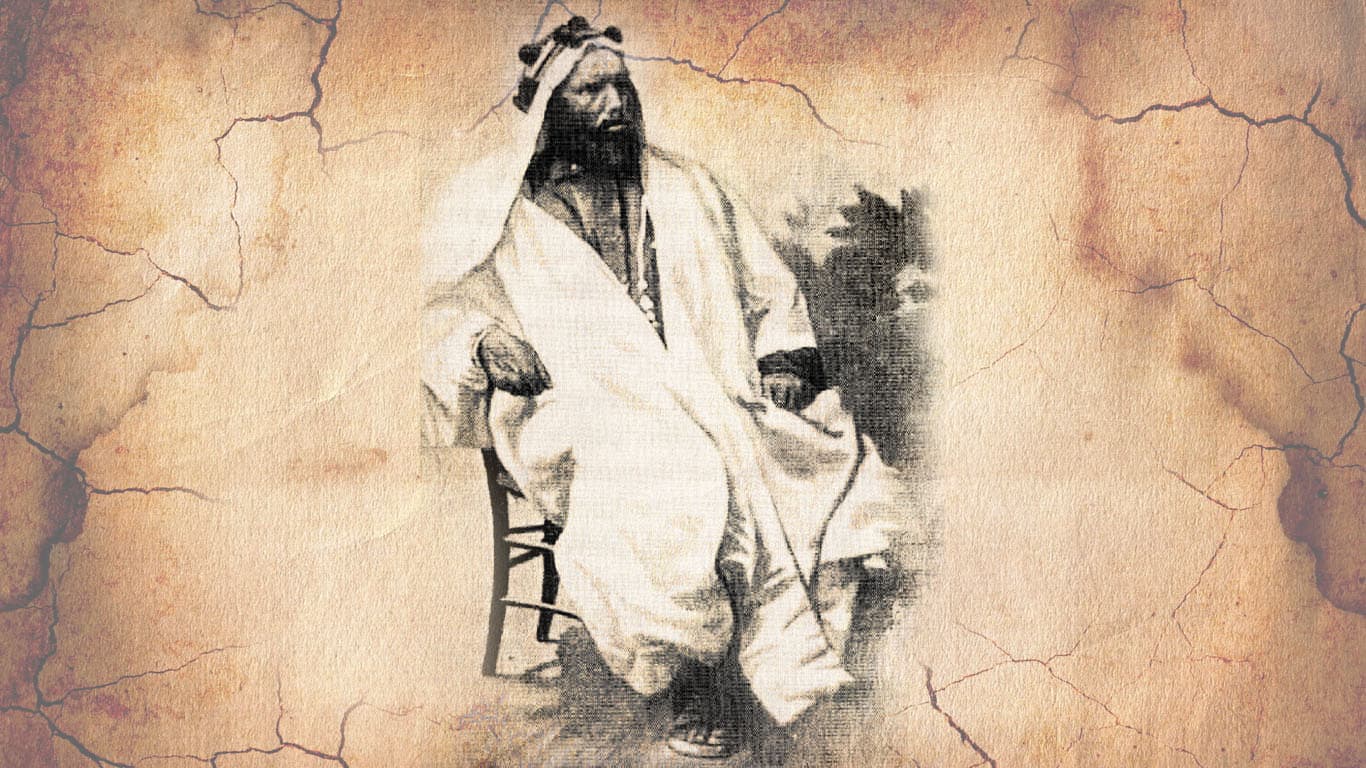
9 Oct, 1876
Shalleqa Alula Promoted to Ras to Govern Mereb Mellash
Shalleqa Alula of Abyssinia was promoted to Ras by Emperor Yohannes IV and assigned governorship of Mereb Mellash to tame the rebel Raesi Woldemichael of Mereb Mellash, current-day central Eritrea.
20 May, 1878
The Battle at Bet Meka’e, Asmara, with Ras Barya’u of Tigray
Ras Barya’u of Tigray was sent by Emperor Yohannes IV to subdue Raesi Woldemichael of Mereb Mellash who rebelled against the emperor. Ras Barya'u was killed in the battle and his army defeated.
In December of 1879
Raesi Woldemichael arrested and imprisoned
After having being reconciled with Yohannes IV and his title of Raesi confirmed, Alula plots to have Raesi Woldemichael arrested.
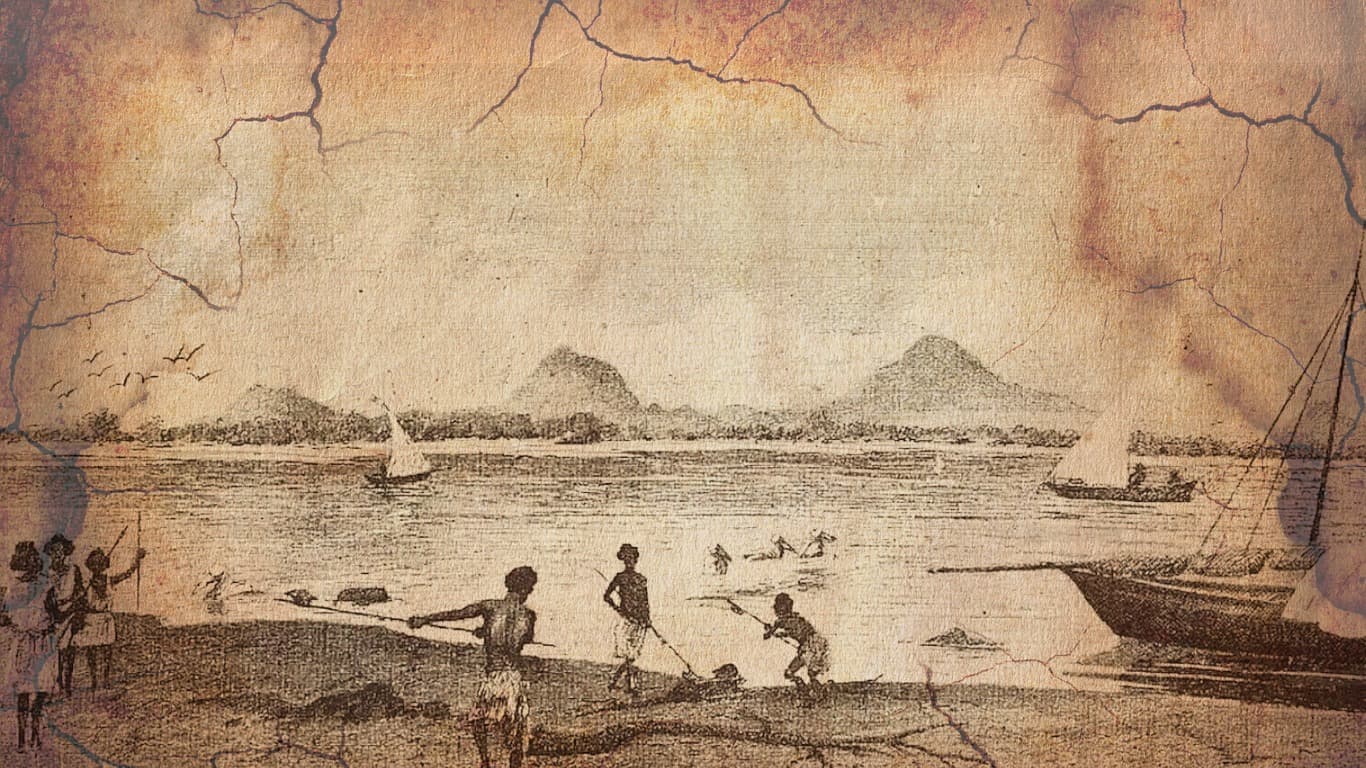
5 Jul, 1882
Formation of Italian Colony of Assab
By declaration of the King and Parliament of Italy, the new Italian Colony of Assab is declared
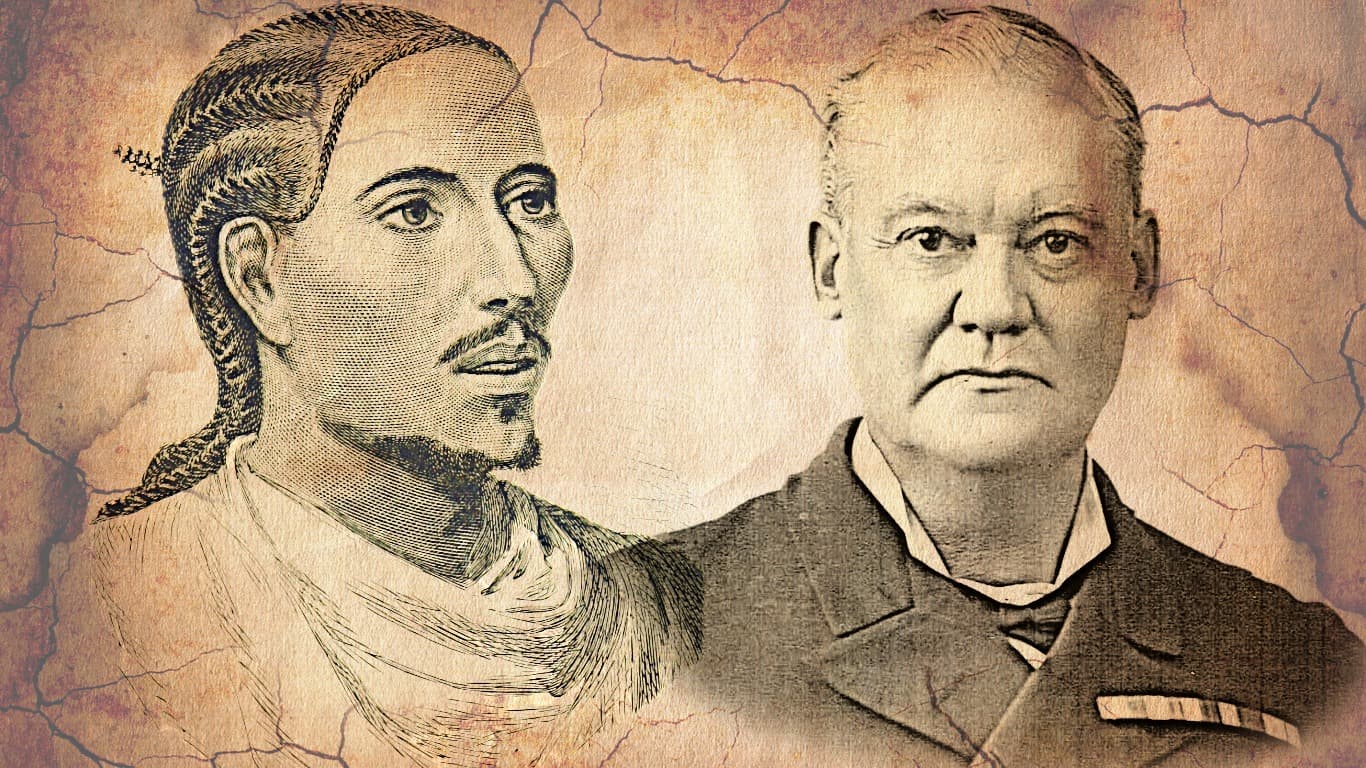
3 Jun, 1884
The Hewett Treaty
Signed at Adwa on 3 June 1884, the Hewett Treaty ended the Egyptian-Ethiopian conflict and promised Ethiopia free transit through Massawa — Britain's interest shifted within months allowing Italy to occupy the port.
In February of 1885
Italy Occupied Massawa
Italy continued to expand its hold from the southern Red Sea of the Afar Sultanate and eventually occupied Massawa with no resistance from the Egyptian occupiers.
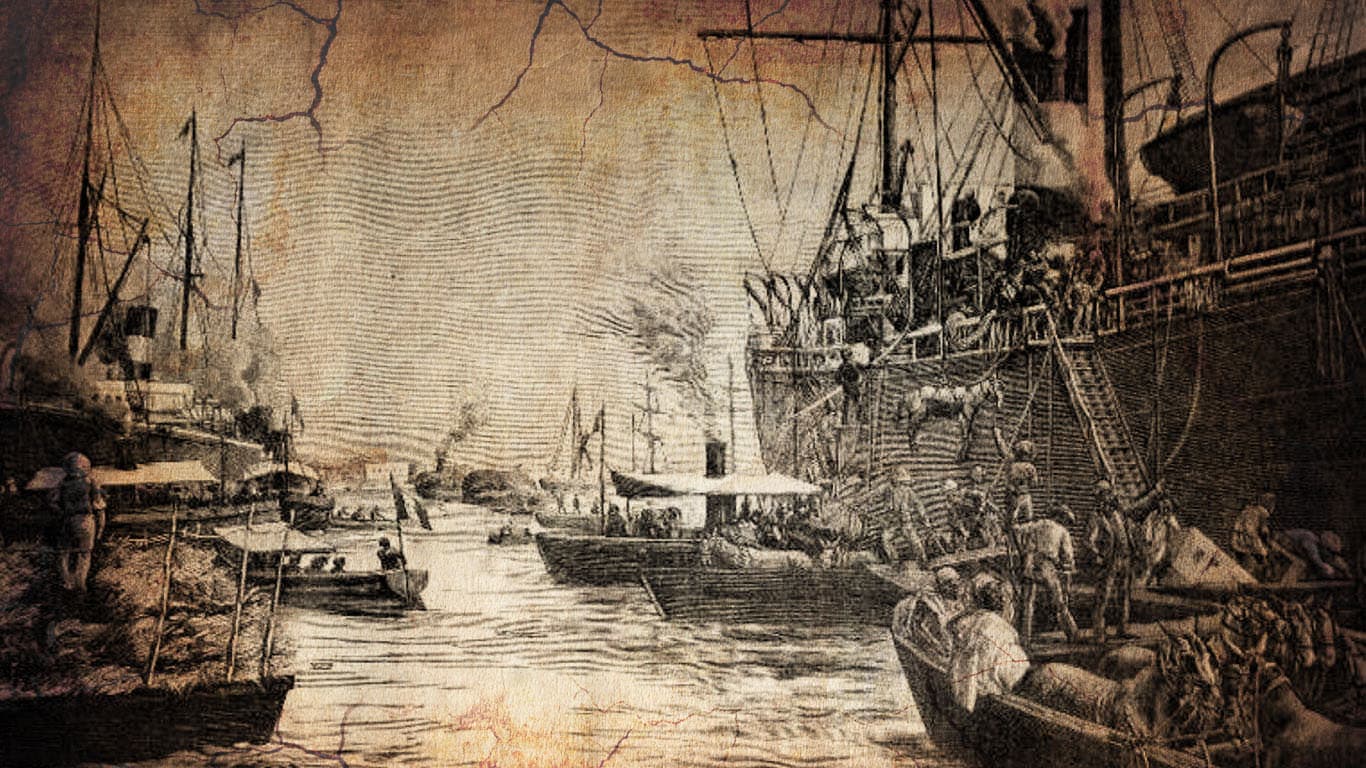
5 Feb, 1885
Italian Troops Landed at Massawa
On 5 February 1885, Italian troops under Admiral Caimi landed at Massawa as the Egyptians withdrew from the lower Red Sea. They pushed advance posts into the interior of modern-day Eritrea.
22 Nov, 1886
Ras Alula Massacred the Nara and Kunama in Eritrea
Ras Alula of Abyssinia ordered a bloody raid on the Nara and Kunama ethnic groups, looting and pillaging their territory following his failed siege of Kassala.
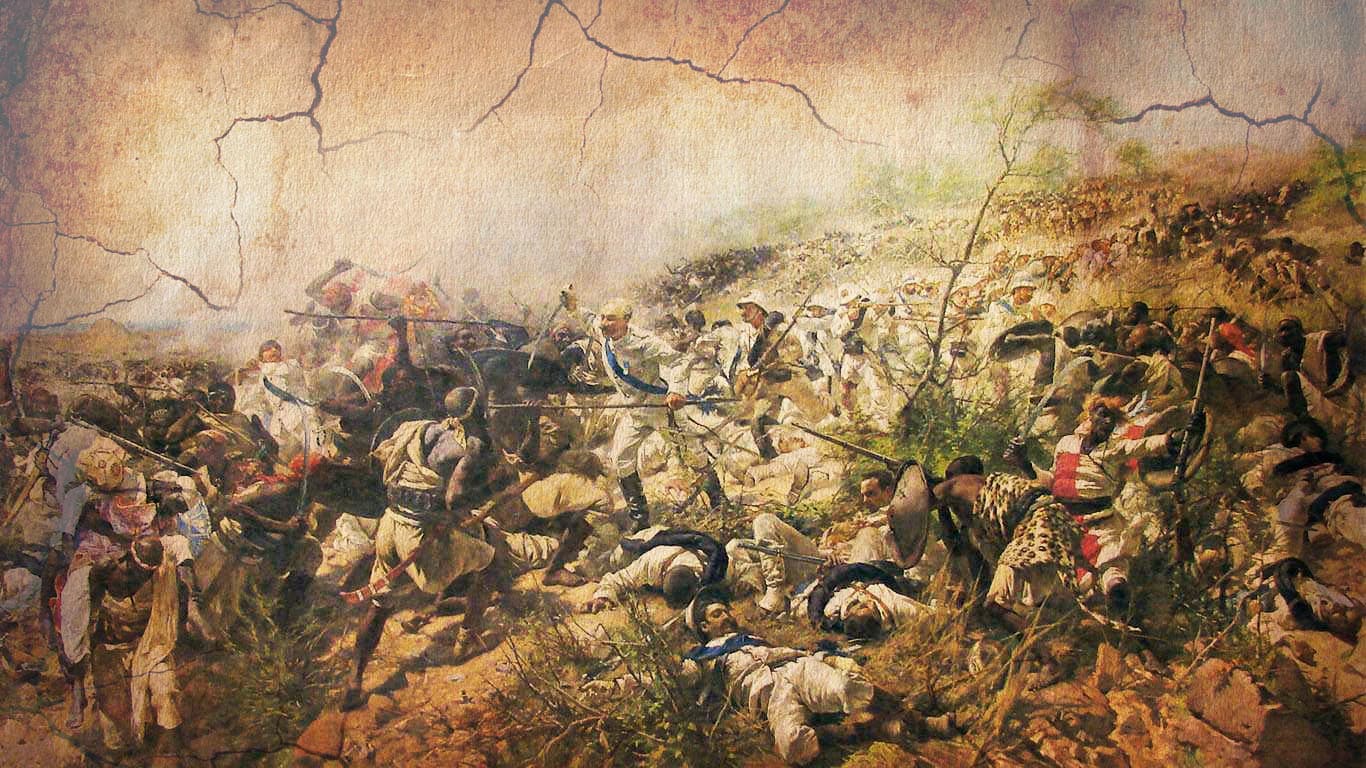
26 Jan, 1887
The Battle of Dogali
A reinforcement battalion of 500 men under Colonel Tommaso De Cristofori en route to the garrison at Saati was ambushed by Ras Alula's men at Dogali and annihilated.
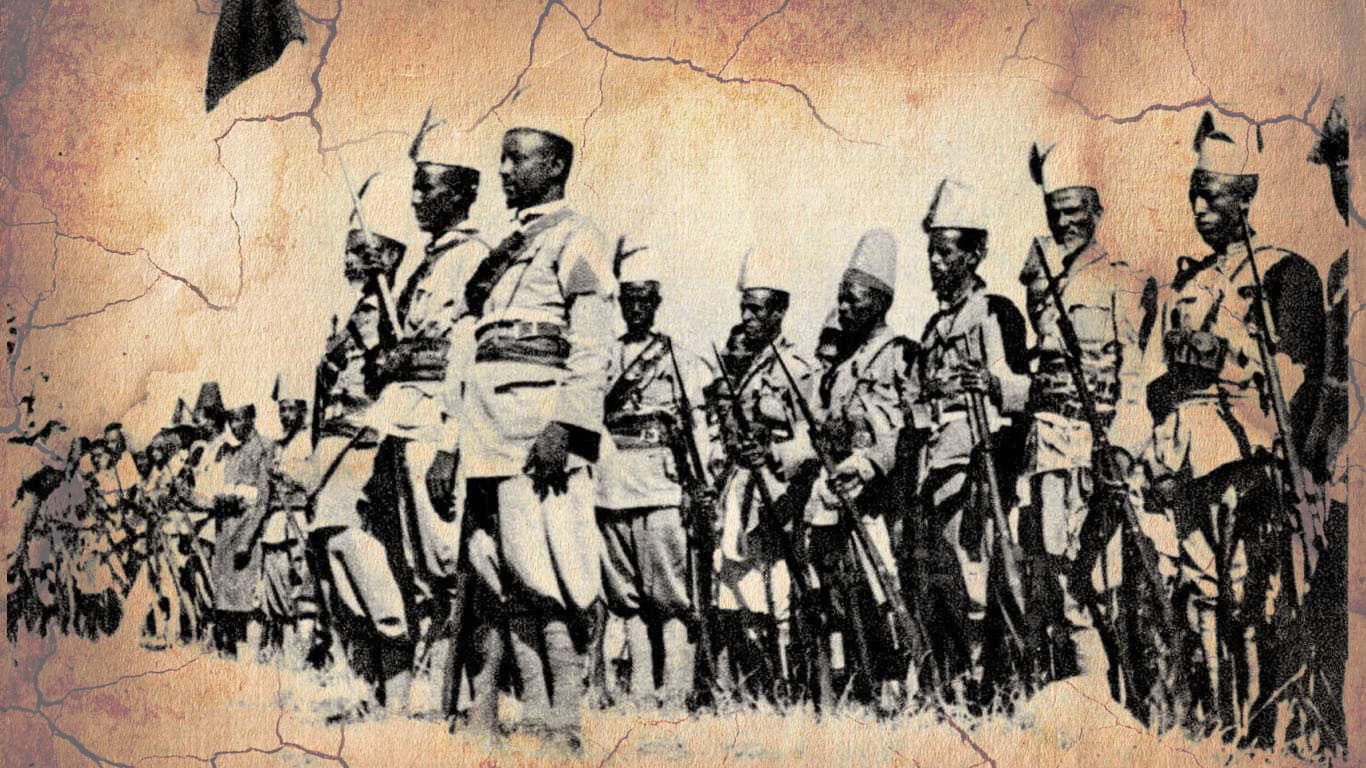
In the year 1889
First Eritrean Ascari Recruited
The first Eritrean soldiers in the Italian colonial army known as Ascari were recruited. More than 130,000 Ascari would have served in the Italian army by 1941.
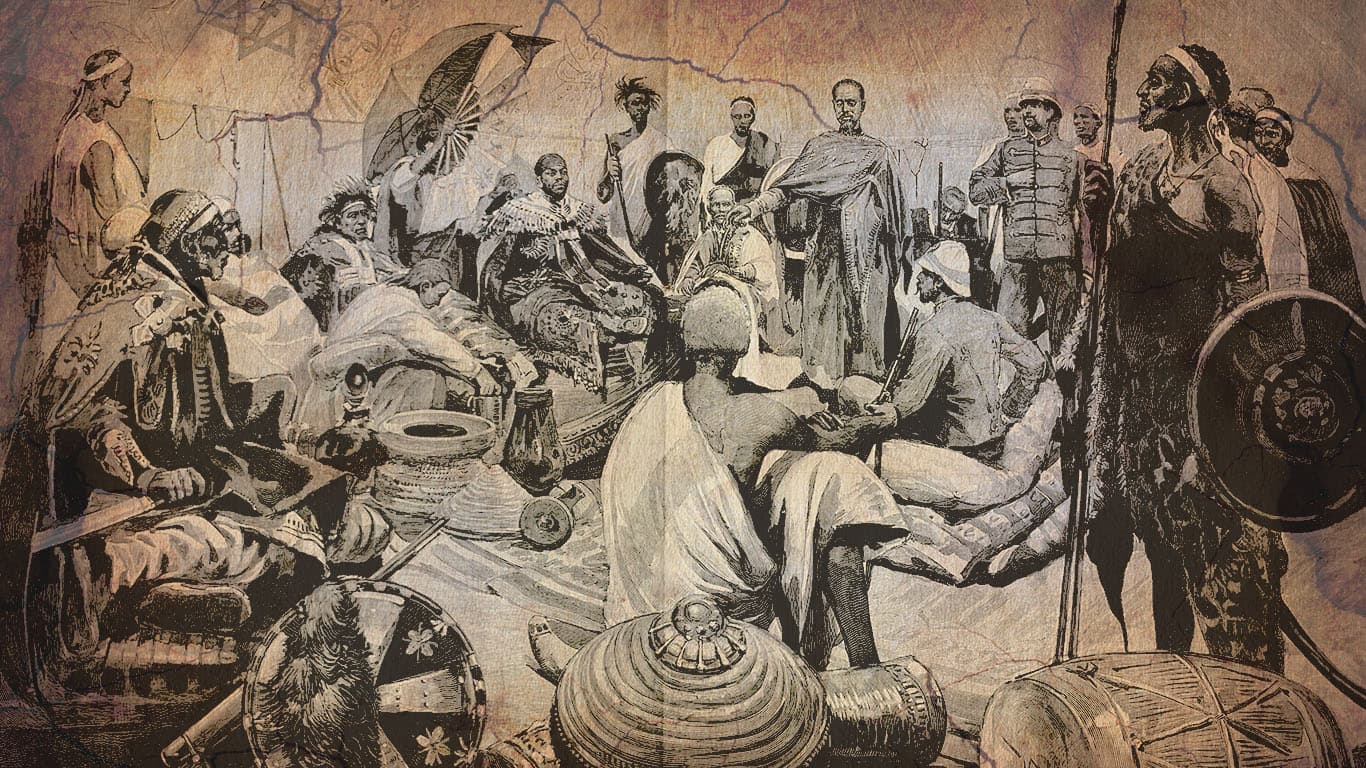
2 May, 1889
Treaty of Wuchale
The Treaty of Wuchale, between Emperor Menelik II of Ethiopia and Italy, deciding the territories of Eritrea and Northern Ethiopia was signed.
In August of 1889
Italy occupied Asmara
The Italian started expanding to the highlands taking Keren first and then Asmara after a month.
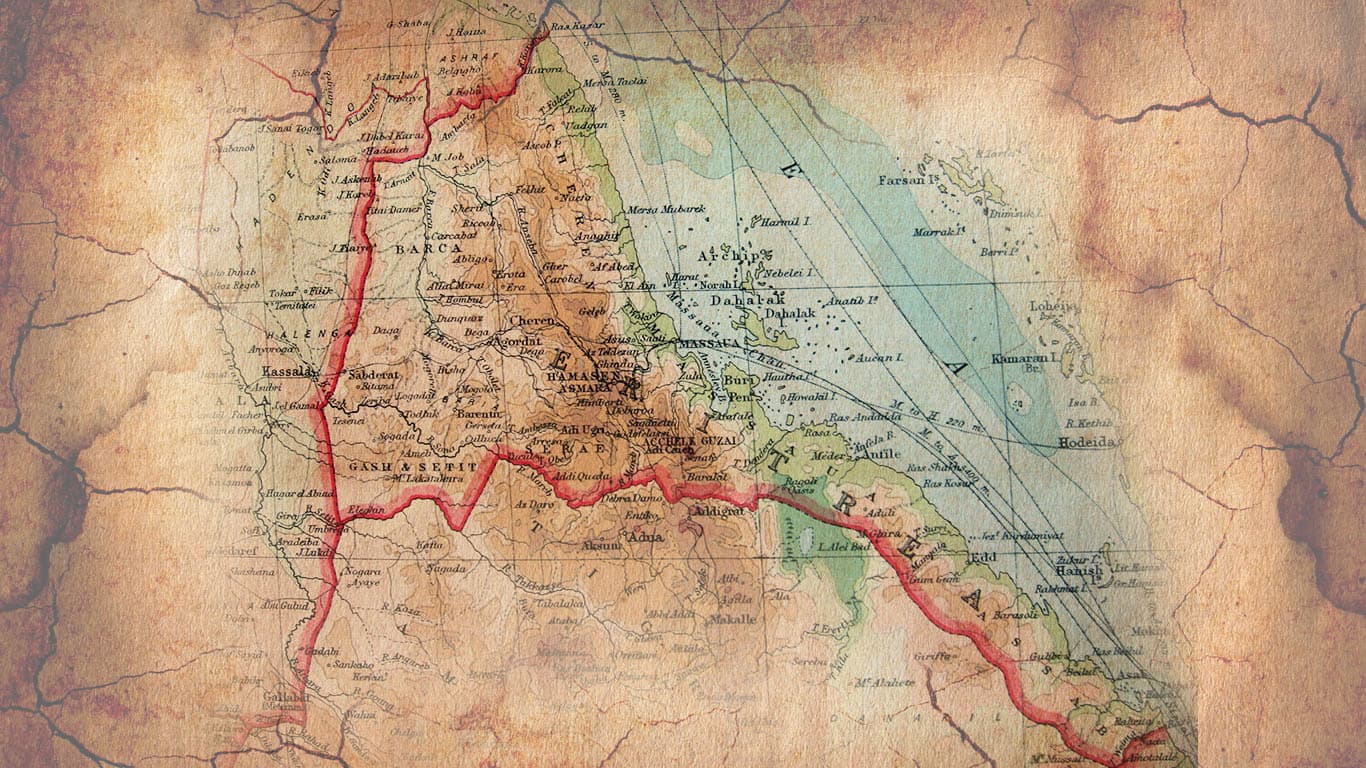
1 Jan, 1890
Eritrea was Declared as the New Italian Colony
Italy declared the formation of its new colony of Eritrea on the Red Sea, taking territories the weakened Egyptians occupied and expanding to the central highlands. Eritrea got its name from the Erythraean Sea or Red Sea.
Between the years 1891 and 1893
Italian Agricultural Colonization of the Highlands
Italians start confisicating fertile lands from farmers in the highlands and making them work in the farm lands.
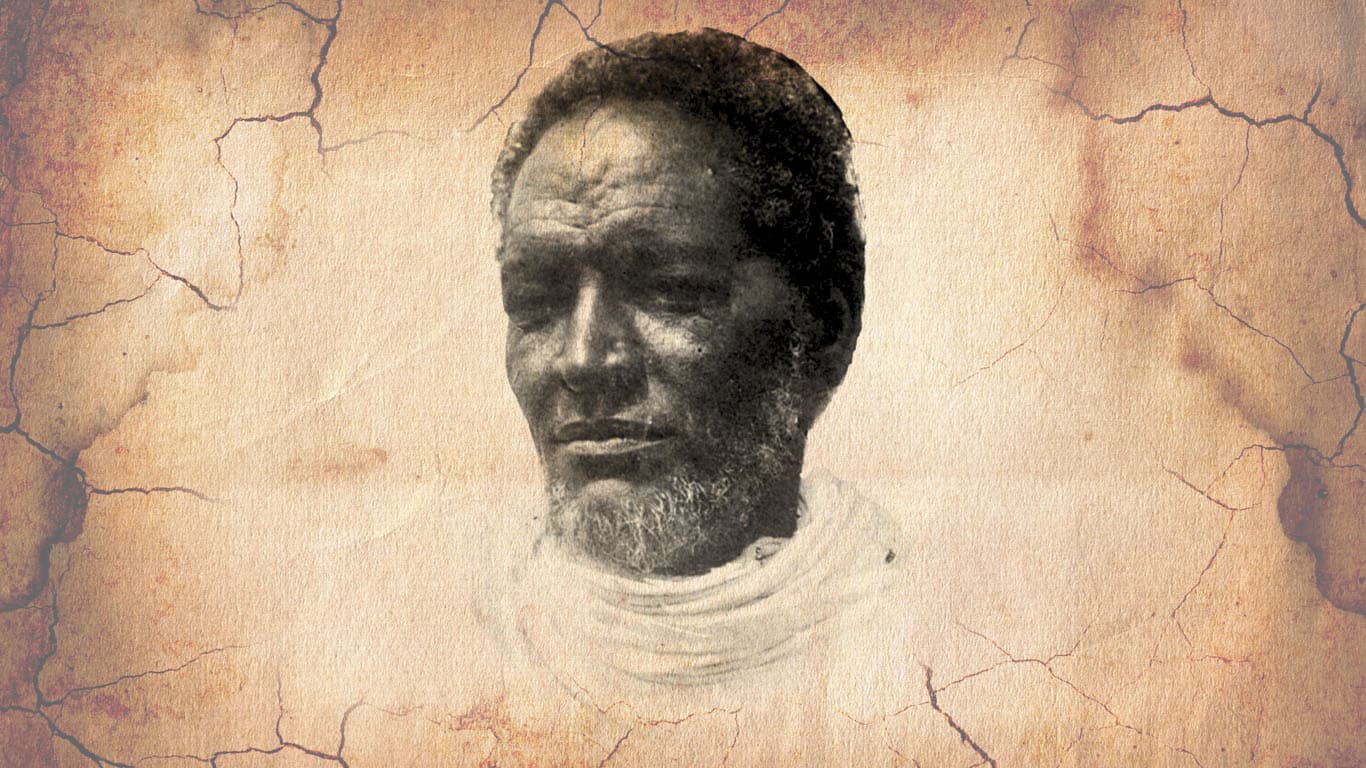
15 Dec, 1894
Bahta Hagos Rebellion Against Italian Occupation
Degiat Bahta Hagos Aba T'mer (ባህታ ሓጎስ) of Segeneiti who had previously opposed Abyssinian encroachment into his territory, rebelled against Italian Occupation. He is considered a symbol of resistance to foreign domination.
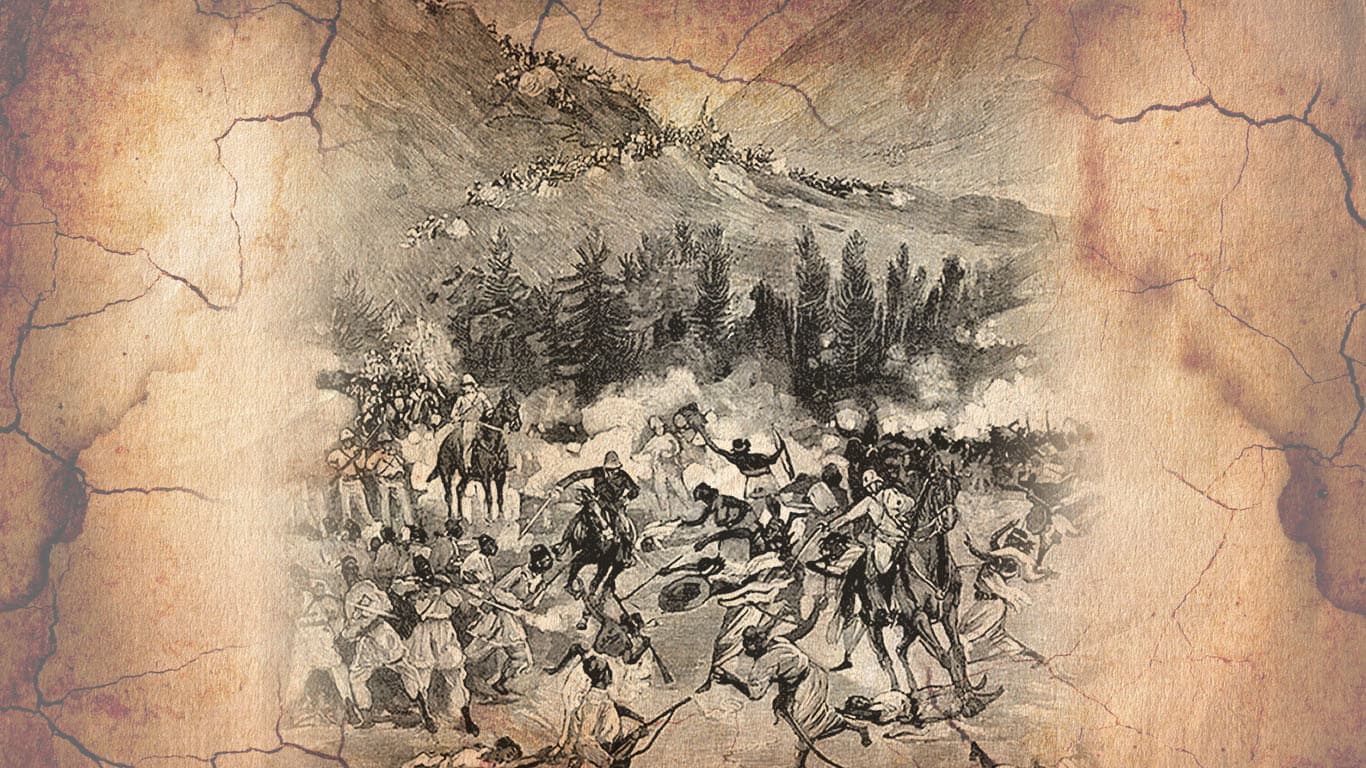
13 Jan, 1895
The Battle of Coatit
The Battle of Coatit was fought between Italy and Ethiopian army led by Ras Mengesha Yohannes in the First Italo–Ethiopian War where the Italians rebuffed the invasion of their colony.
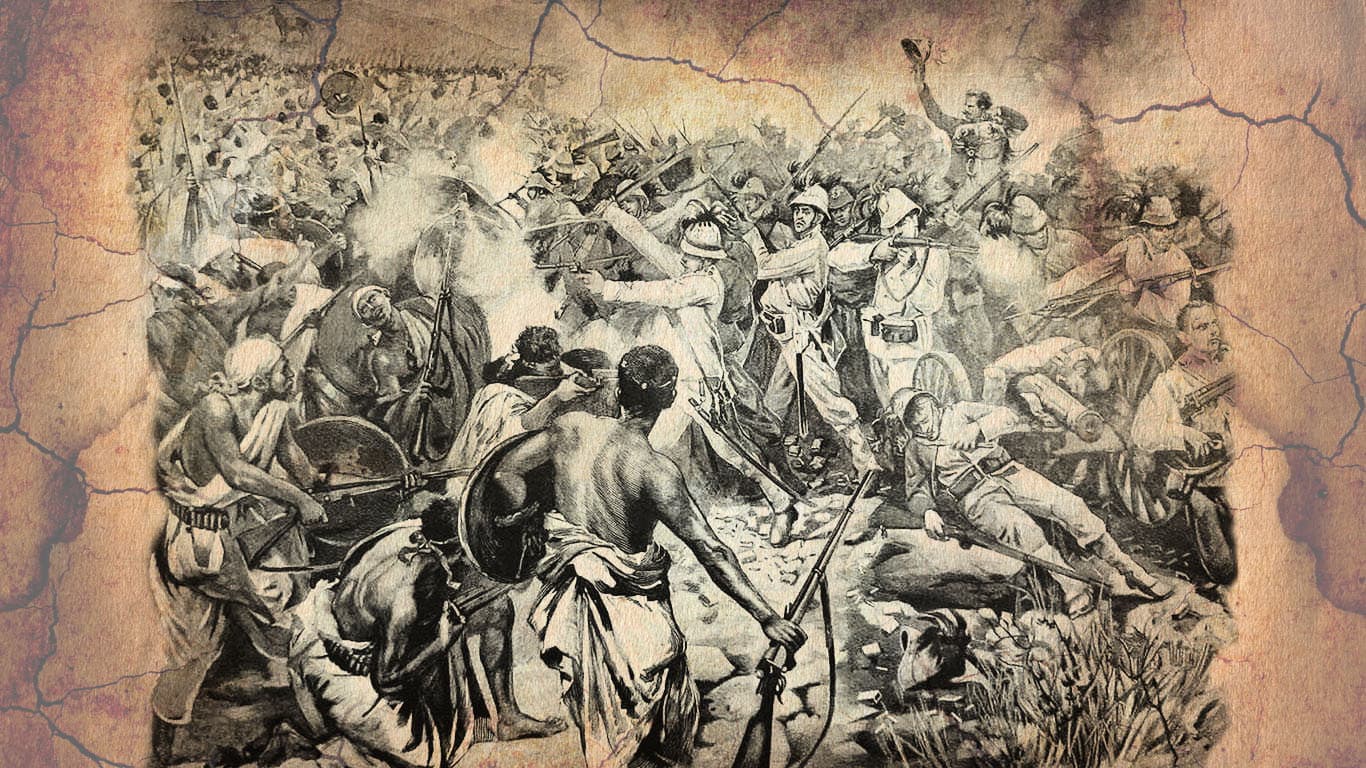
1 Mar, 1896
The Battle of Adwa
The Battle of Adwa, fought between the Ethiopian Empire and the Kingdom of Italy, won by the former, decided the territories of Eritrea and Ethiopia
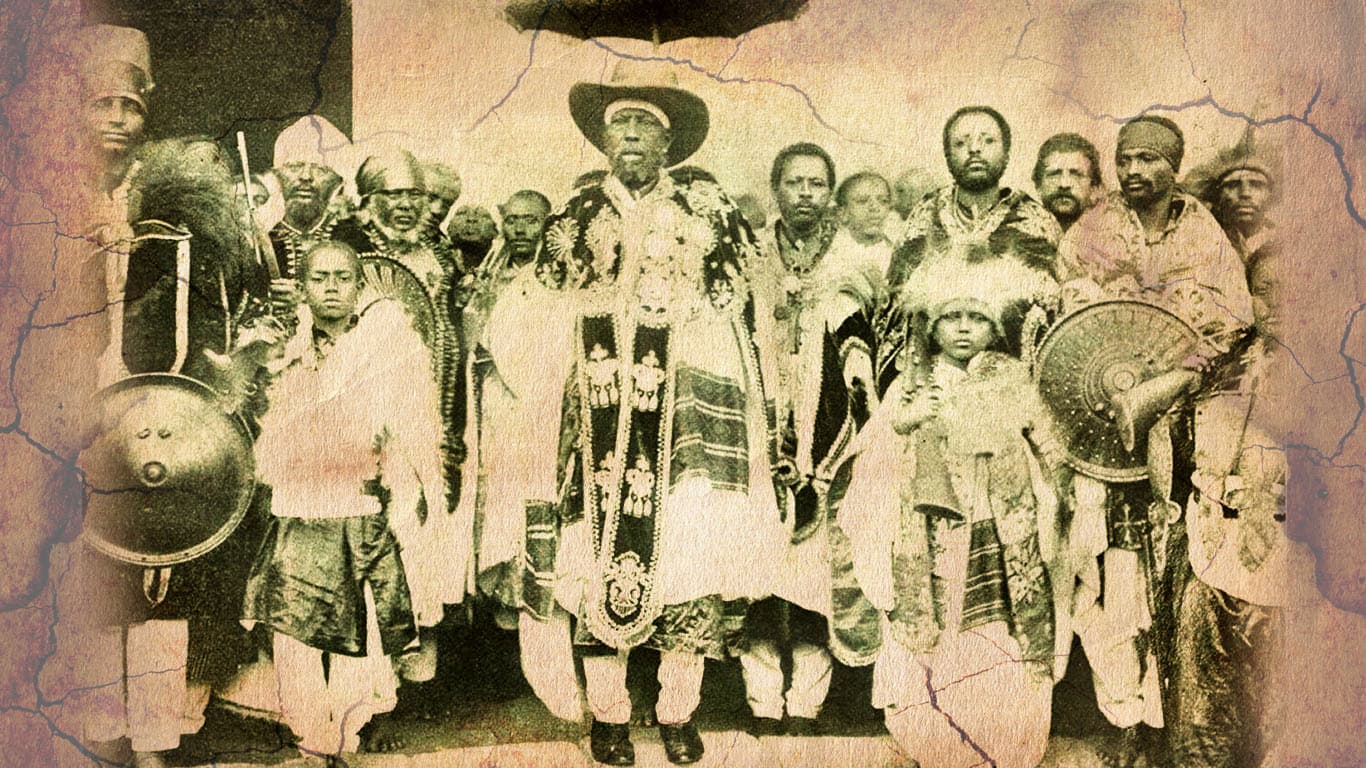
23 Oct, 1896
Treaty of Addis Ababa
The Treaty of Addis Ababa was signed between Ethiopia's Menelik II and the Italians, recognizing colonial Eritrea, sovereign Ethiopia and the abrogation of the Treaty of Wuchale.
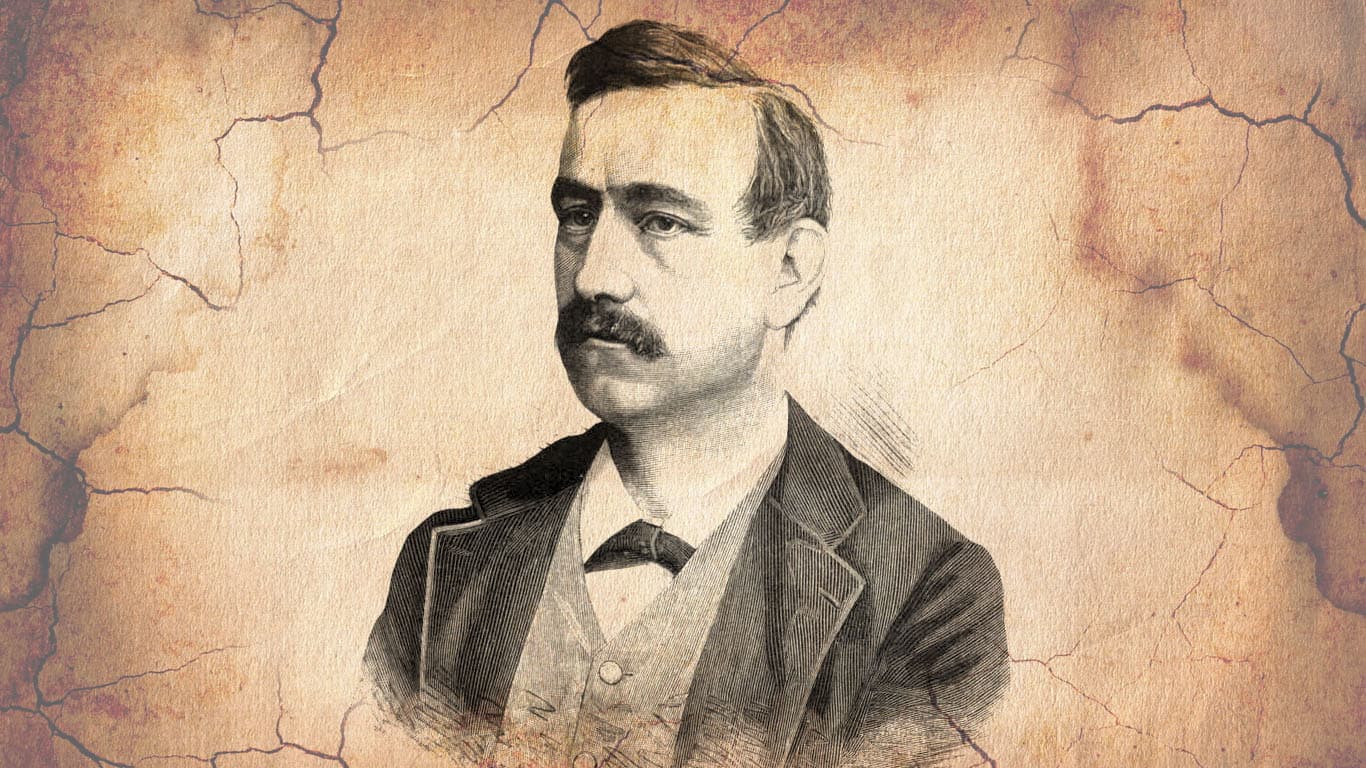
In the year 1897
Ferdinando Martini Became First Civil Governor of Eritrea
Ferdinando Martini became the first civil governor of the Italian Colony of Eritrea
In the year 1900
Asmara Became the Capital of Colonial Eritrea
Asmara Became the Capital of Colonial Eritrea
In the year 1909
Colonial Land Law - Lowlands to be State Land
Colonial Land Law declares lowland as state land
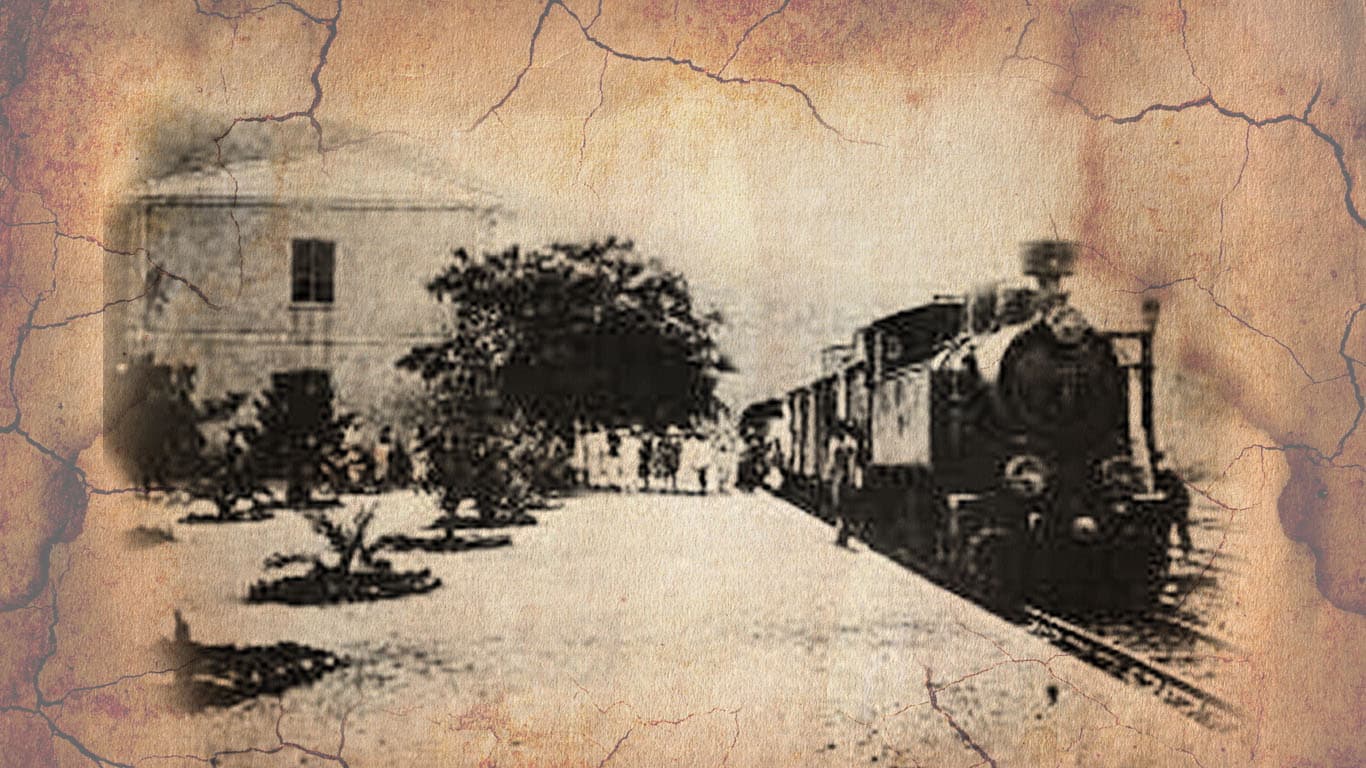
6 Dec, 1911
Massawa-Asmara Railway Completed
The 125km-long railway connecting Massawa to Asmara was completed by colonial Italians in Eritrea. It is considered an engineering feat for scaling the eastern escarpment of the Great Rift Valley in quite a short distance in one of its sections.
14 Aug, 1921
Massawa Destroyed by Earthquake
A magnitude 6.1 earthquake hit Massawa destroying much of the port city
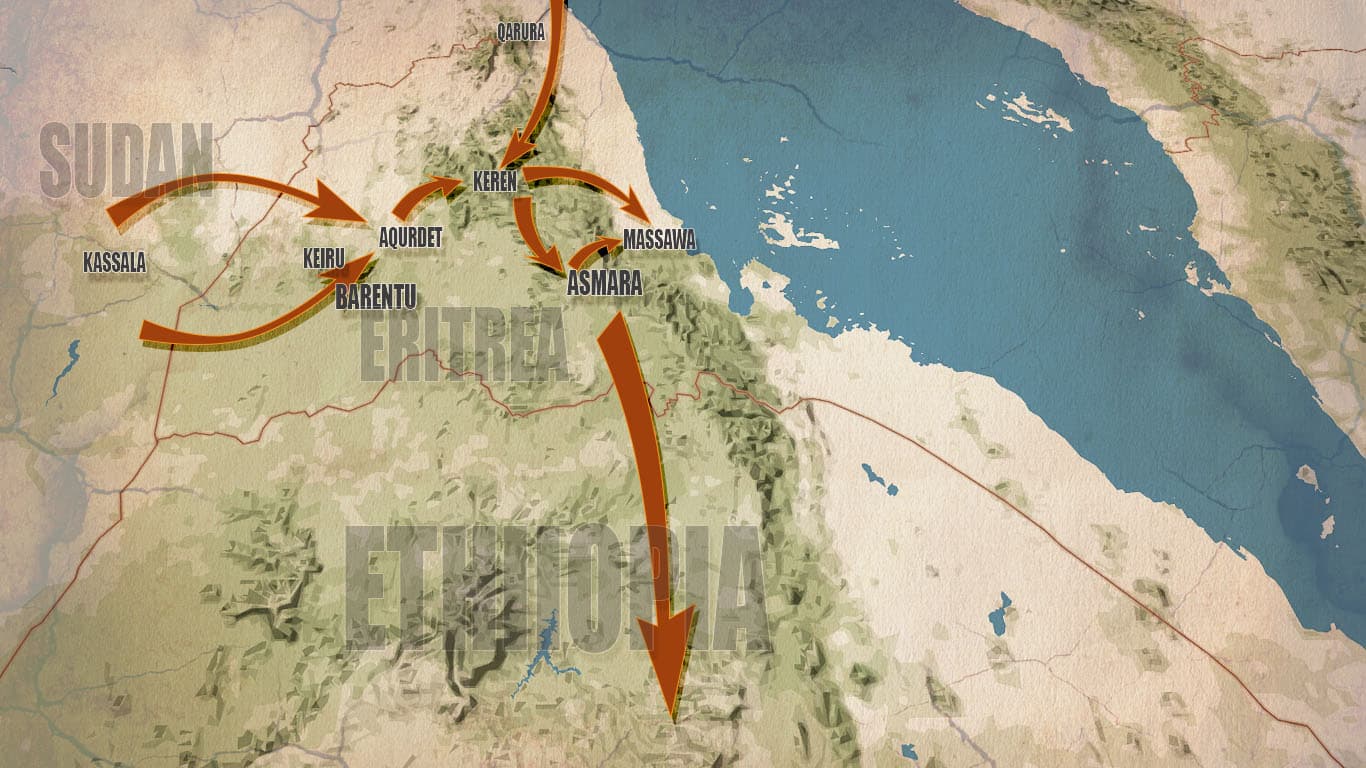
19 Jan, 1941 - 11 Jun, 1941
Britain defeated Italy in Eritrea (WW II - Abyssinian Campaigns)
British Abyssinian Campaigns - World War II offensive against Italy to take over Eritrea and Ethiopia in East Africa.
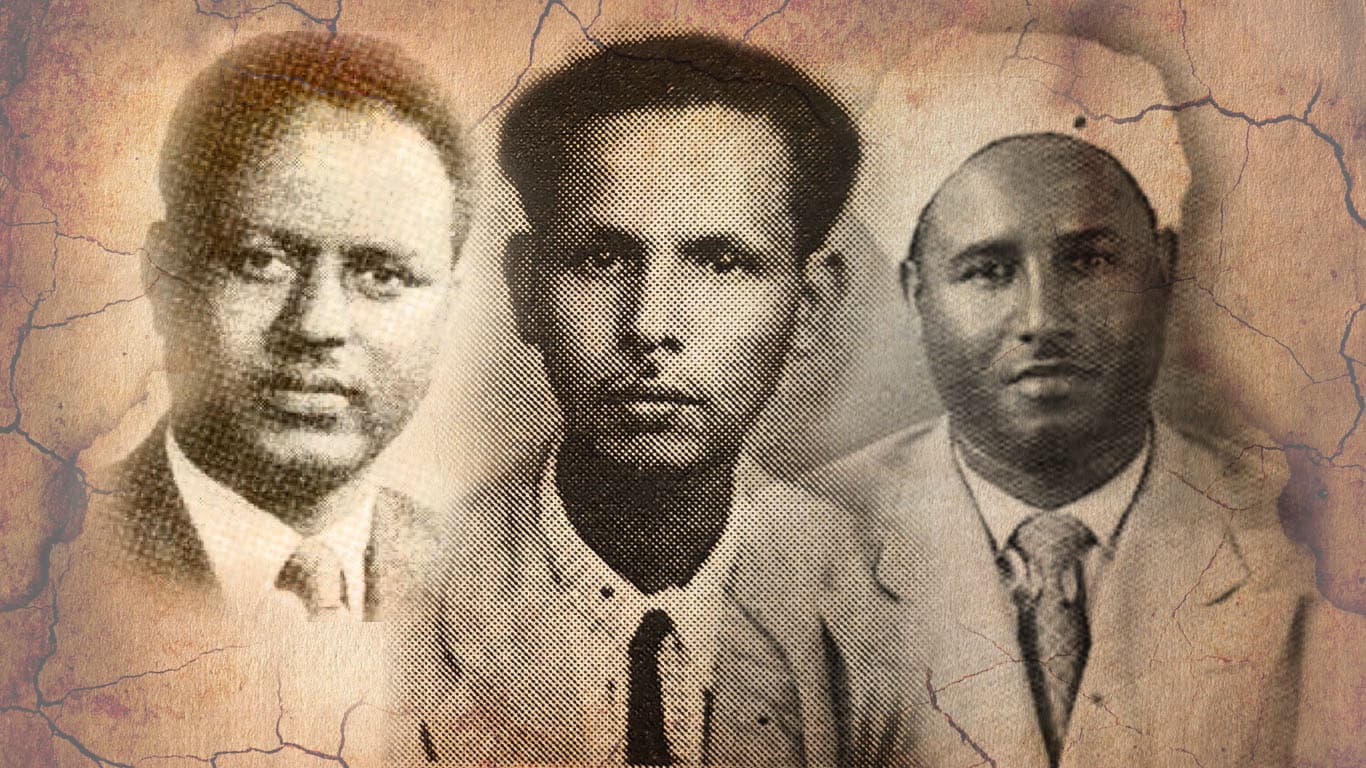
5 May, 1941
The Formation of the Love of Country League (ማሕበር ፍቕሪ ሃገር)
The Love of Country League was formed to bring awareness to the suffering of Eritreans under the un-removed Italian officials under the British administration.
In the year 1942
First Eritrean Newspaper Published
ናይ ኤርትራ ሰሙናዊ ጋዜጣ (The Eritrean Weekly News) was the official organ of the British that started in 1942 but allowed Eritreans to express their opinions
Between the years 1942 and 1944
Expansion of US and British military Bases in Eritrea
Expansion of U.S. and British military Bases in Eritrea
Between January of 1942 and December of 1944
Italians in Eritrea Develop Industry and Agriculture for WWII Wartime Markets
Italians in Eritrea Develop Industry and Agriculture for WWII Wartime Markets
In the year 1942
United Nations to Decide the Future of Eritrea Commission Decided
The Four Powers Commission recommended that the United Nations decide the future of Eritrea.
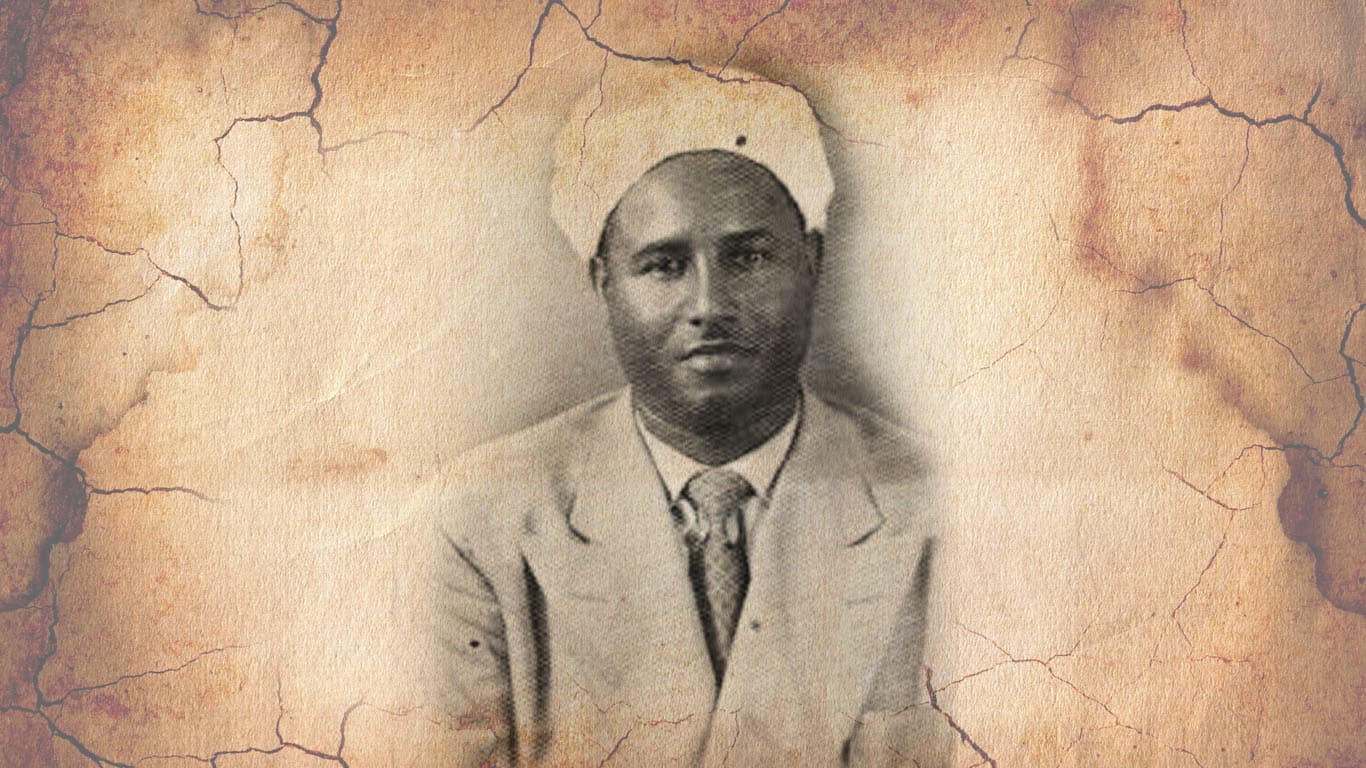
In the year 1943
Ibrahim Sultan Founded Self-Emancipation Movement of the Serfs
Ibrahim Sultan led the movement to emancipate the Tigre serfs from the Shemagulle feudal landowners. He founded the Emancipation Movement of the Serfs (Harakat Tahrir al Aqnan)
In February of 1944
The Eritrean Police Went on Strike Against Italian Justice System
During the British Military Administration, Eritrean police went on a strike demanding the removal of Italian Police, Italian Laws and Judges; this created opprtunity for the Pro-Ethiopian Unionists
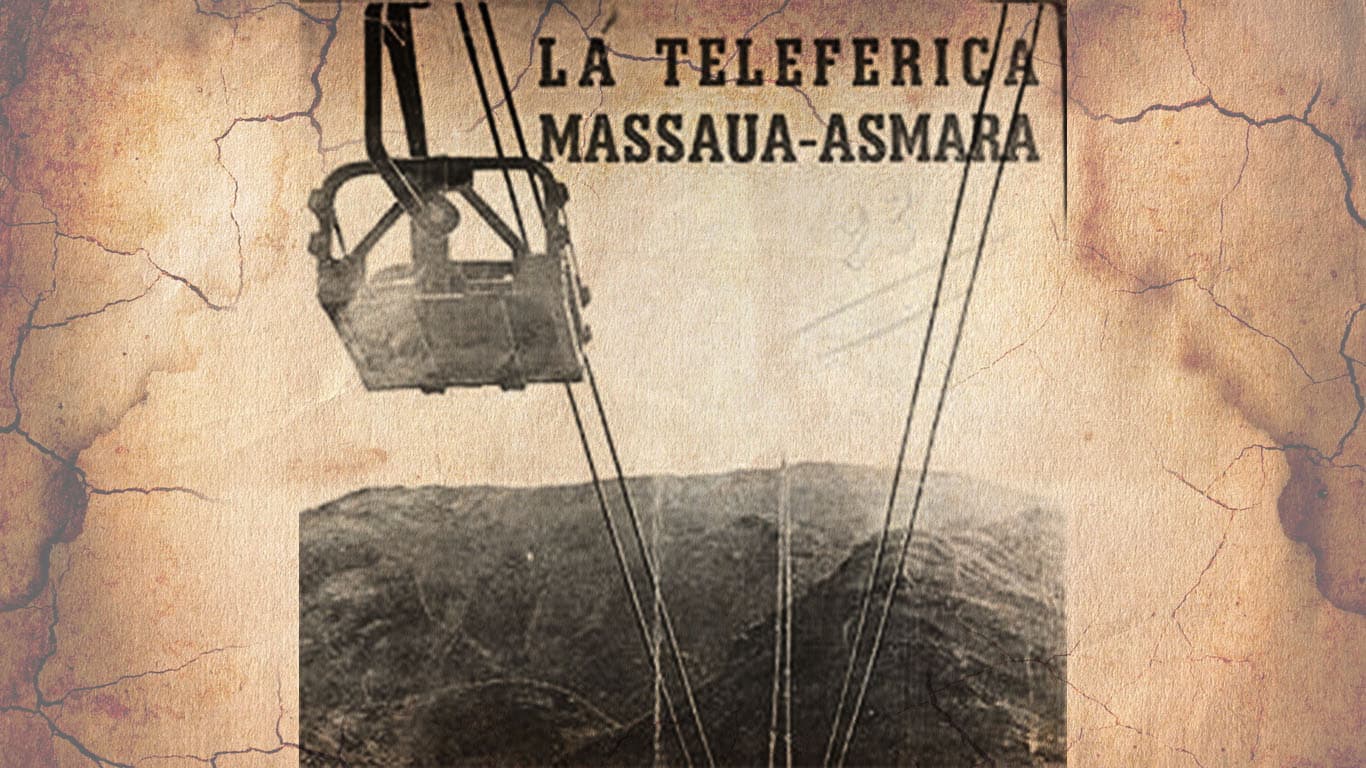
In the year 1945
Postwar Depression and British Dismantling of Infrastructure
After WWII was over, economic depression set in. The British dismantled and salvaged many Eritrean factories and transportation infrastructure. Lawlessness and anti-Italian banditry (shiftanet) became rampant.
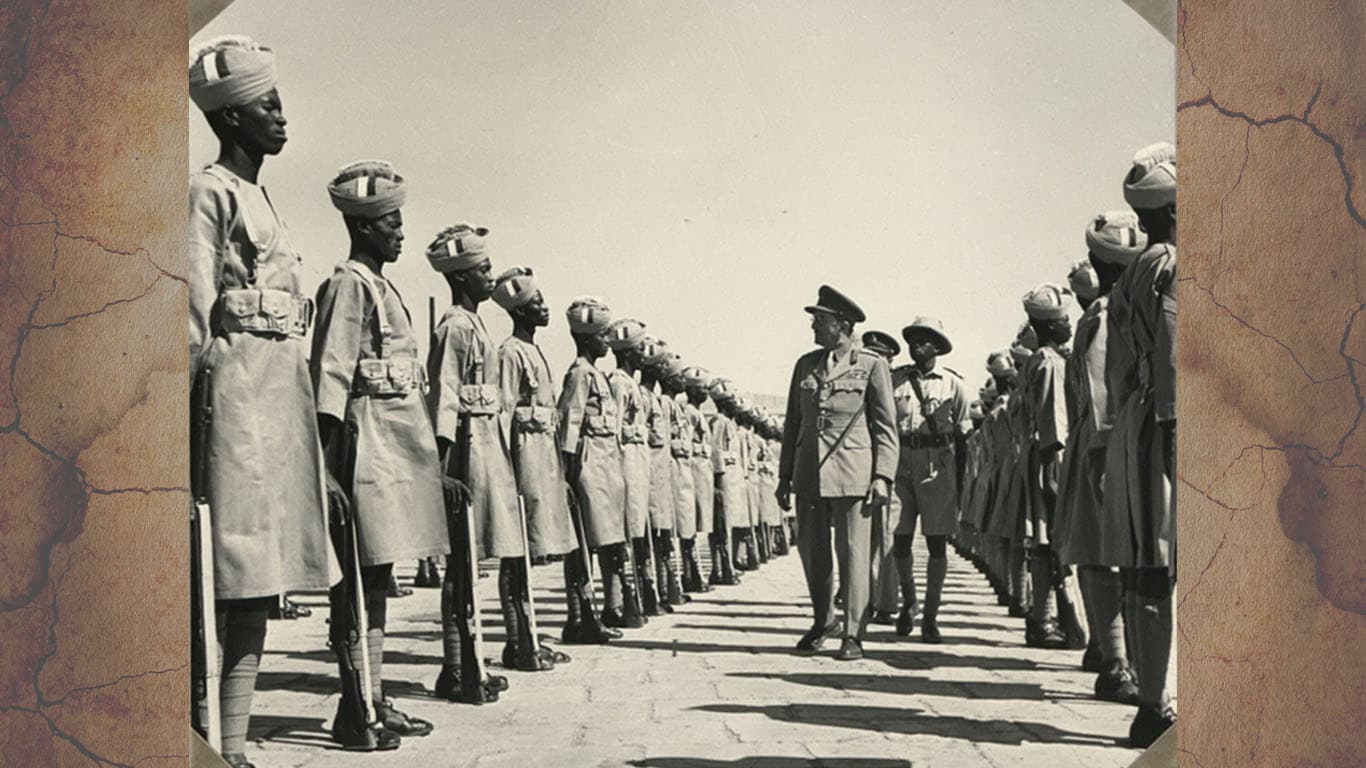
28 Aug, 1946
Massacre in Asmara by Sudanese British Soldiers
Sudanese British soldiers killed 46 Eritrean civilians while wounding 70 others in Asmara following a clash in a liquor shop. A 3-day mourning was declared by the British administration.
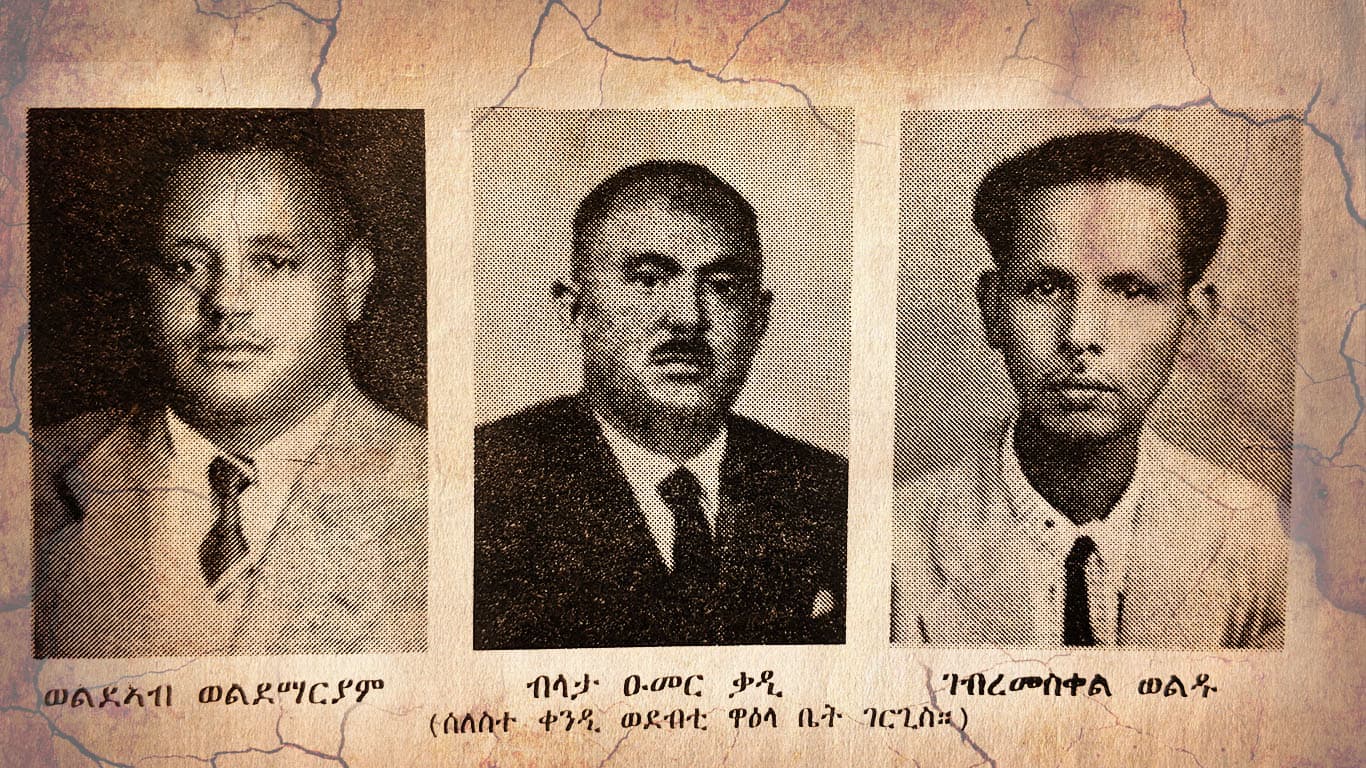
22 Nov, 1946 - 26 Nov, 1946
Bet Giorgis Conference (ዋዕላ ቤት ጊዮርጊስ)
The Bet Giorgis Conference was organized by Eritrean Unionist and pro-independence activists to find common ground following concerning domestic and international events.
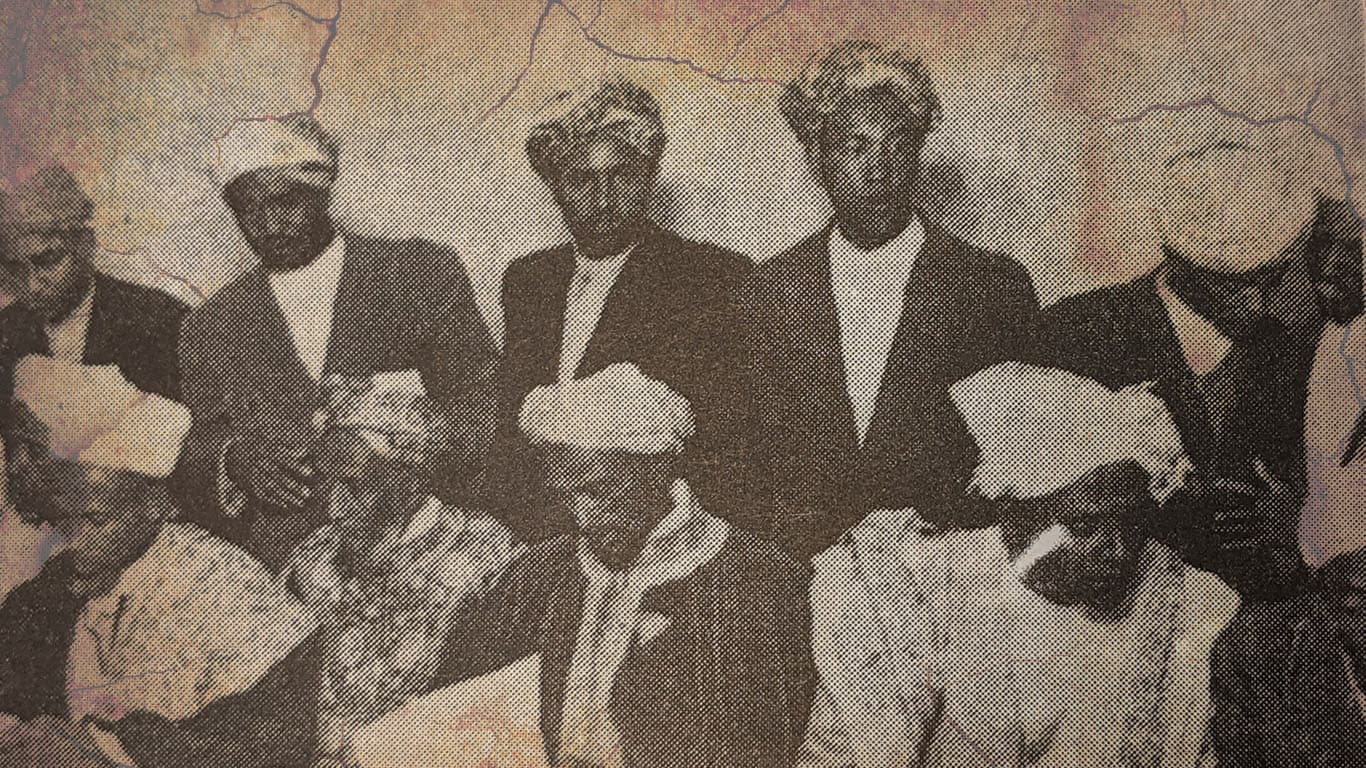
3 Dec, 1946
Eritrean Muslim League was Founded By Ibrahim Sultan
Following the failure of the Bet Giorgis Conference to unite the "self-determination" movement, Ibrahim Sultan founded the Eritrean Muslim League, or "al-Rabita al-Islamia" in Arabic.
In the year 1947
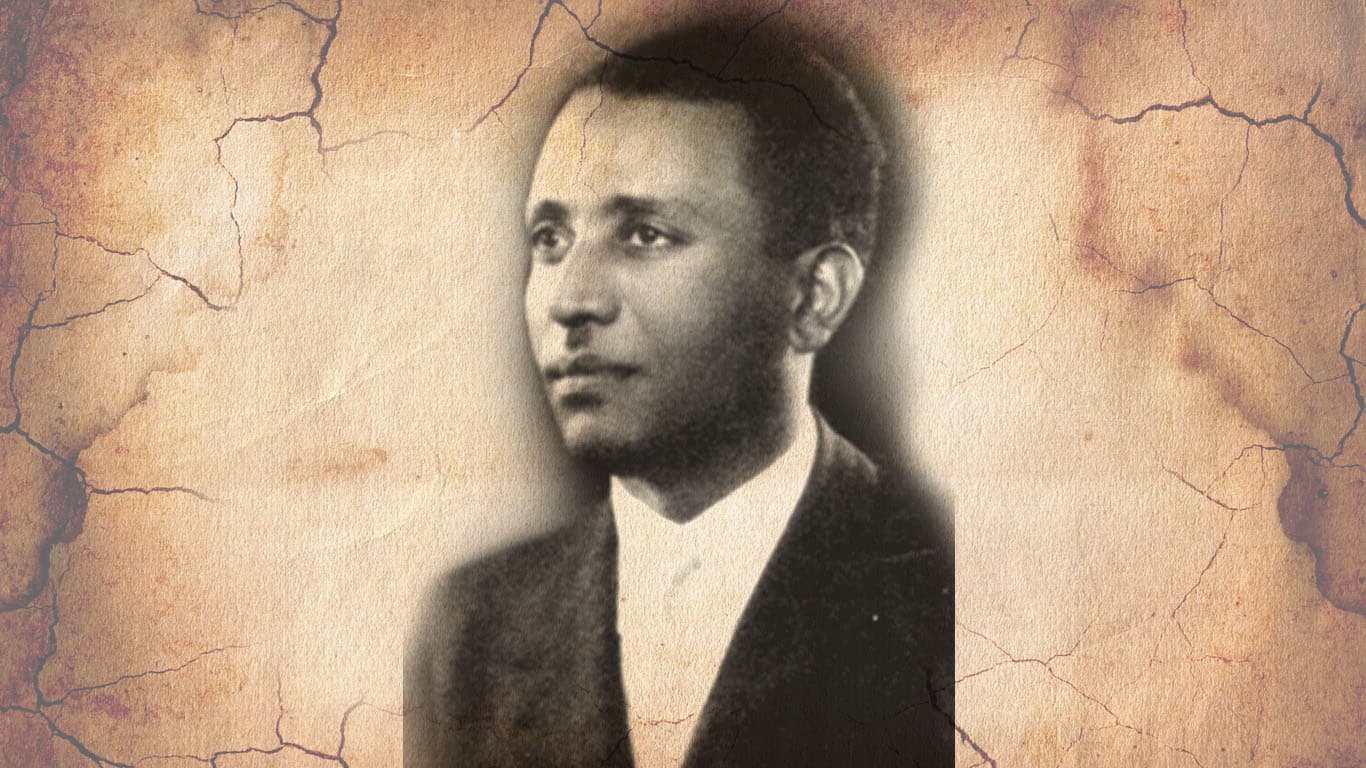
The Unionist Party was Founded by Tedla Bairu
The Unionist Party, whose mission was the union of Imperial Ethiopia with the former Italian colony of Eritrea, was founded by Tedla Bairu.
20 Jan, 1947 - 21 Jan, 1947
The Formation of the Al-Rabita Islamia
Al-Rabita Islamia, or the Muslim League party, was officially formed in a ceremony in Keren at the gathering of Islamic community leaders from many parts of Eritrea.
20 Jan, 1947 - 21 Jan, 1947
The Formation of the Al-Rabita Islamia
Al-Rabita Islamia is officially formed in a ceremony in Keren at the gathering of Islamic community leaders from many parts of Eritrea.
10 Feb, 1947
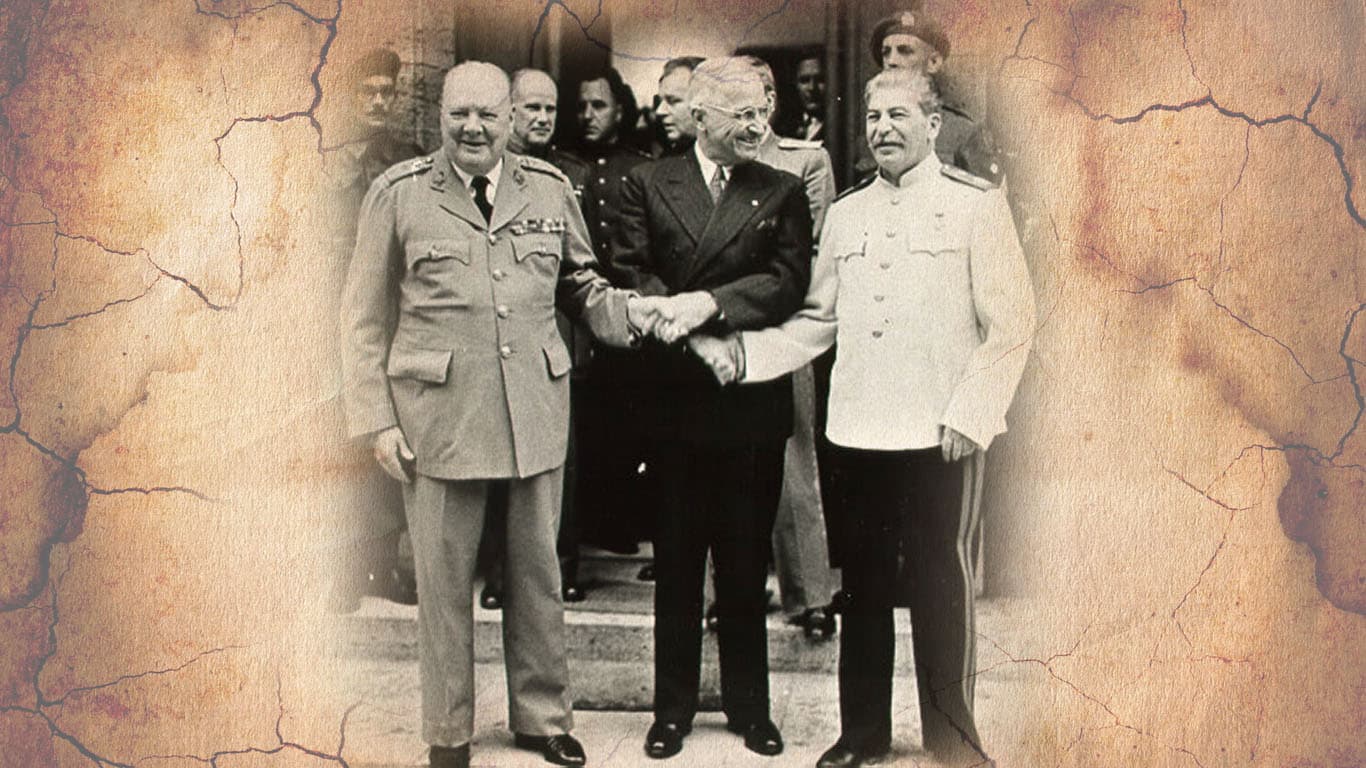
Paris Peace Treaty - Commission to Decide Eritrea's Future
On Feb 10, 1947, the Paris Peace Treaty outlined that the fate of Eritrea was to be decided based on the findings of a new Commission, the Four Powers Commission.
18 Feb, 1947
Eritrean Liberal Progressive Party was Founded by Pro-Independence Highlanders
Eritrean Liberal Progressive Party was Founded by Pro-Independence Highlanders in Adi Keyih. The party had more than 53,000 members.
12 Nov, 1947
The Arrival of the Four Powers Commission in Eritrea
The Four Powers Commission arrived in Eritrea and found Eritreans divided on independence with most highland Christians favoring Union with Ethiopia while Muslims preferring independence.
In the year 1949
Pro-Ethiopian Union Terrorist Attacks on Pro-Independence Leaders
Terrorist attacks on leaders of the pro-indenpendece movement intensified by the Ethiopian-funded pro-union side.
27 Mar, 1949
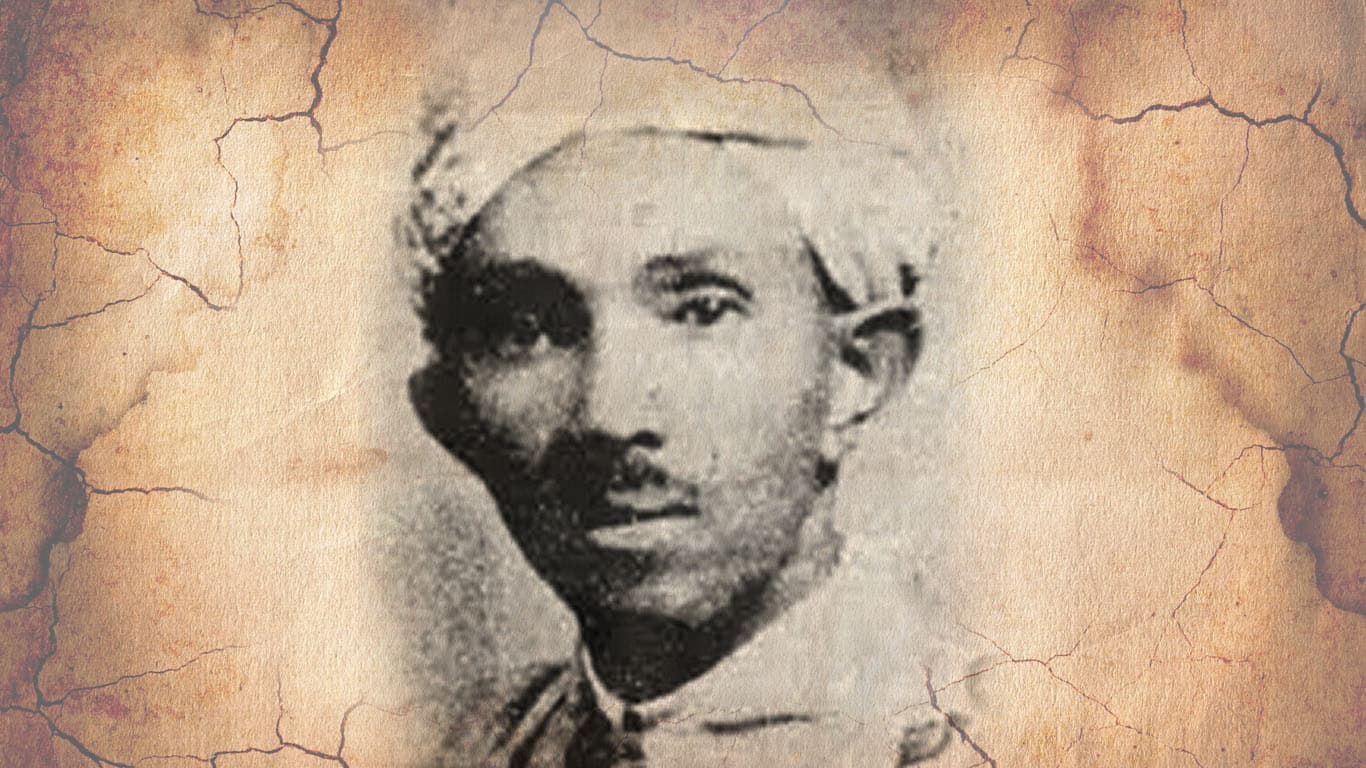
The Assassination of Abdulkadir Kebire
Abdulkadir Kebire, pioneer of the movement for independence of Eritrea from Ethiopia, was fatally wounded by Unionist sympathizers' attack in Asmara.
17 May, 1949
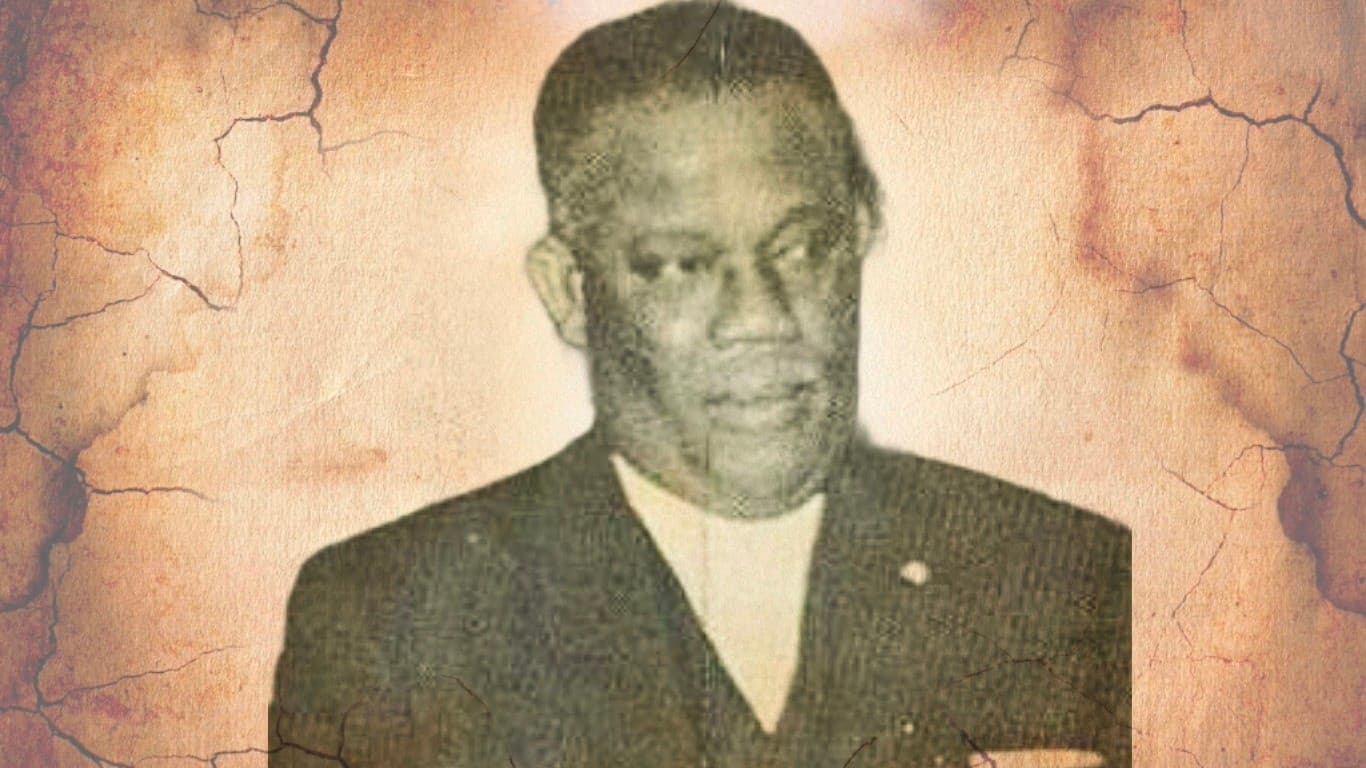
The Bevin-Sforza plan to Partition Eritrea Rejected by UN
The Bevin-Sforza plan to partition Eritrea between Ethiopia and Sudan was not adopted by the United Nations as a viable solution for Eritrea.
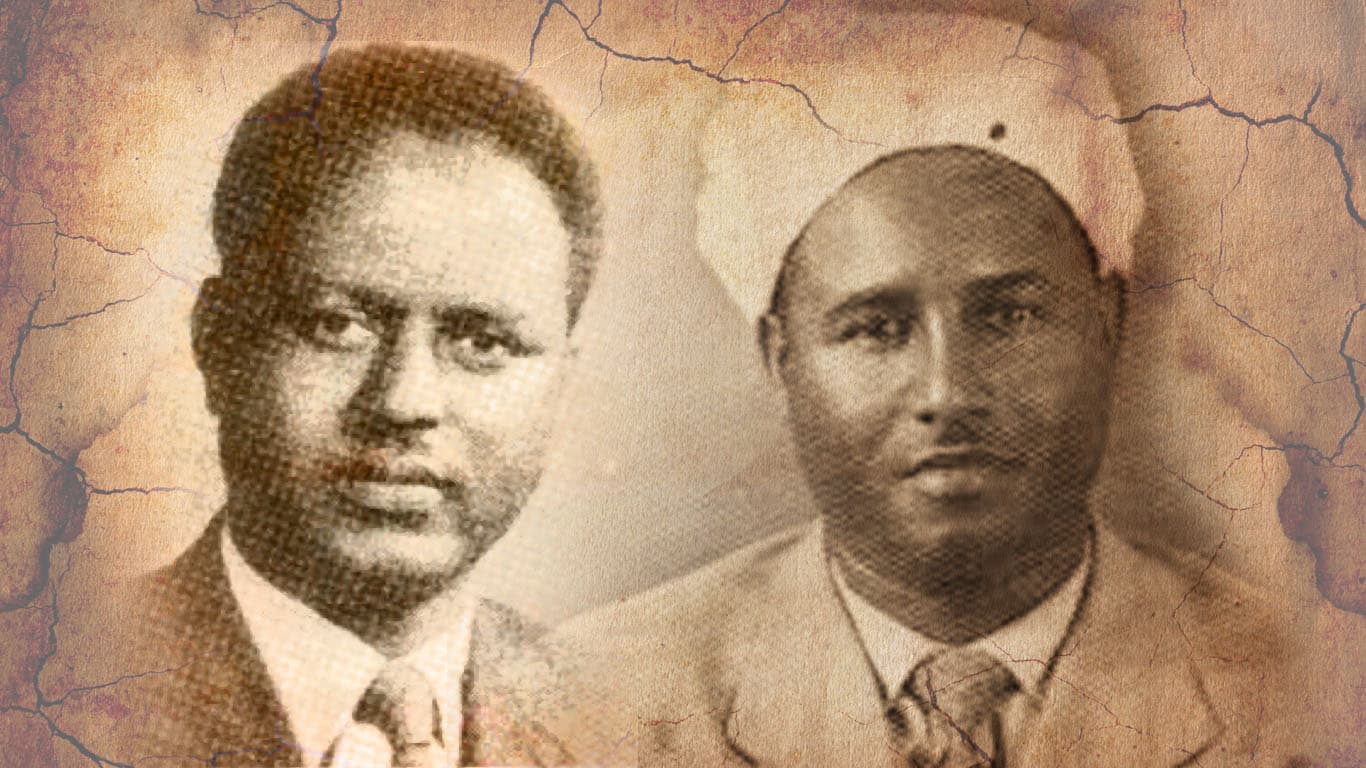
In June of 1949
The Eritrean Independence Bloc was Formed
In June 1949, the major pro-independence parties united into a single front representing the majority of Eritreans. Led by Ibrahim Sultan of the Moslem League, the bloc demanded immediate sovereignty and carried that case to the United Nations.
14 Feb, 1950 - 23 Feb, 1950
UN Commission of Inquiry Arrived in Eritrea
The UN Commission of Inquiry whose mandate was to determine the views of Eritreans on Union with Ethiopia or Indepence arrived when the division among Eritreans on the issue had reached to new heights of violence.
21 Feb, 1950 - 23 Feb, 1950
Bloody Christian-Muslim Rioting in Asmara
A bloody riot ensued after pro-union members lobbed grenades into a funeral procession of a prominent pro-independence Muslim League member in Asmara. Many are killed and wounded in the riot that lasted for three days.
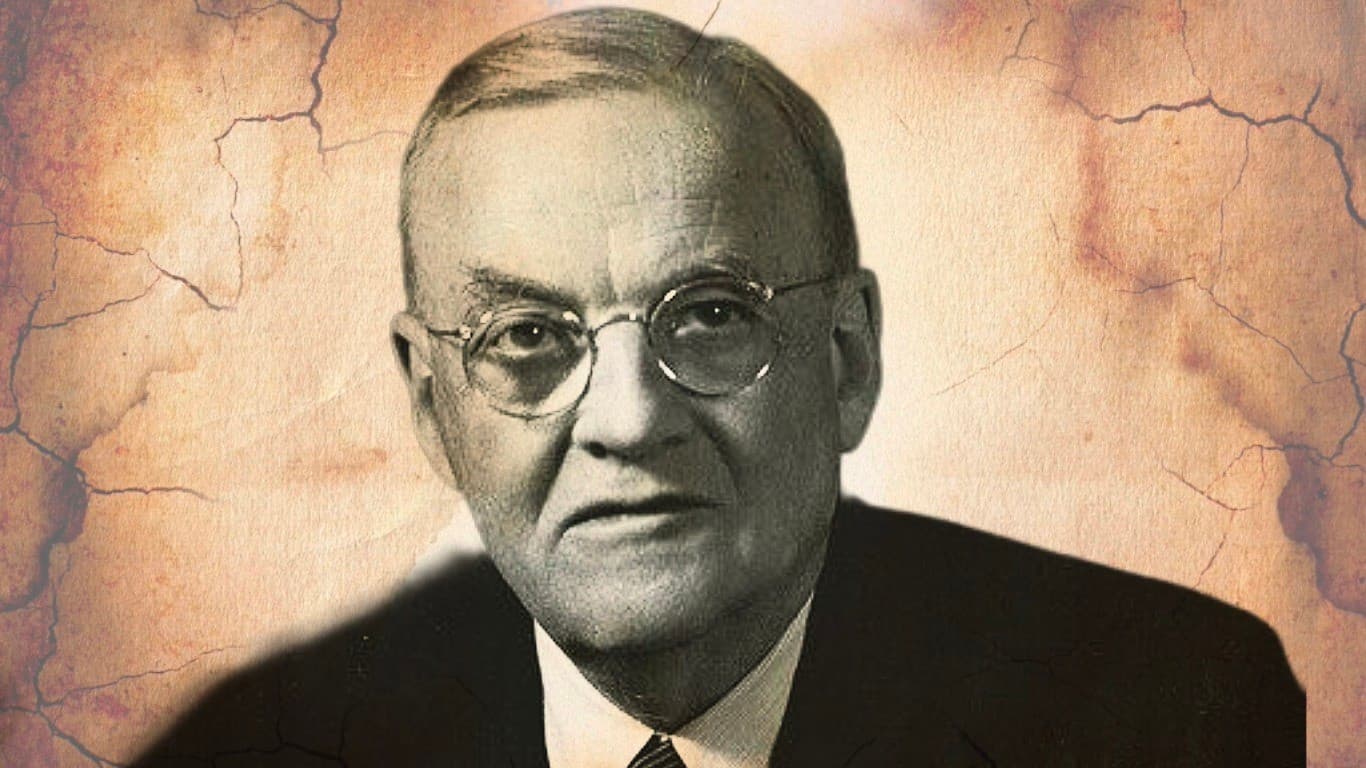
In December of 1950
Dulles Pushed Against Eritrean Independence
Prominent US delegate to the United Nations John Foster Dulles issued pivotal opinion against Eritrean Independence citing U.S. interest.
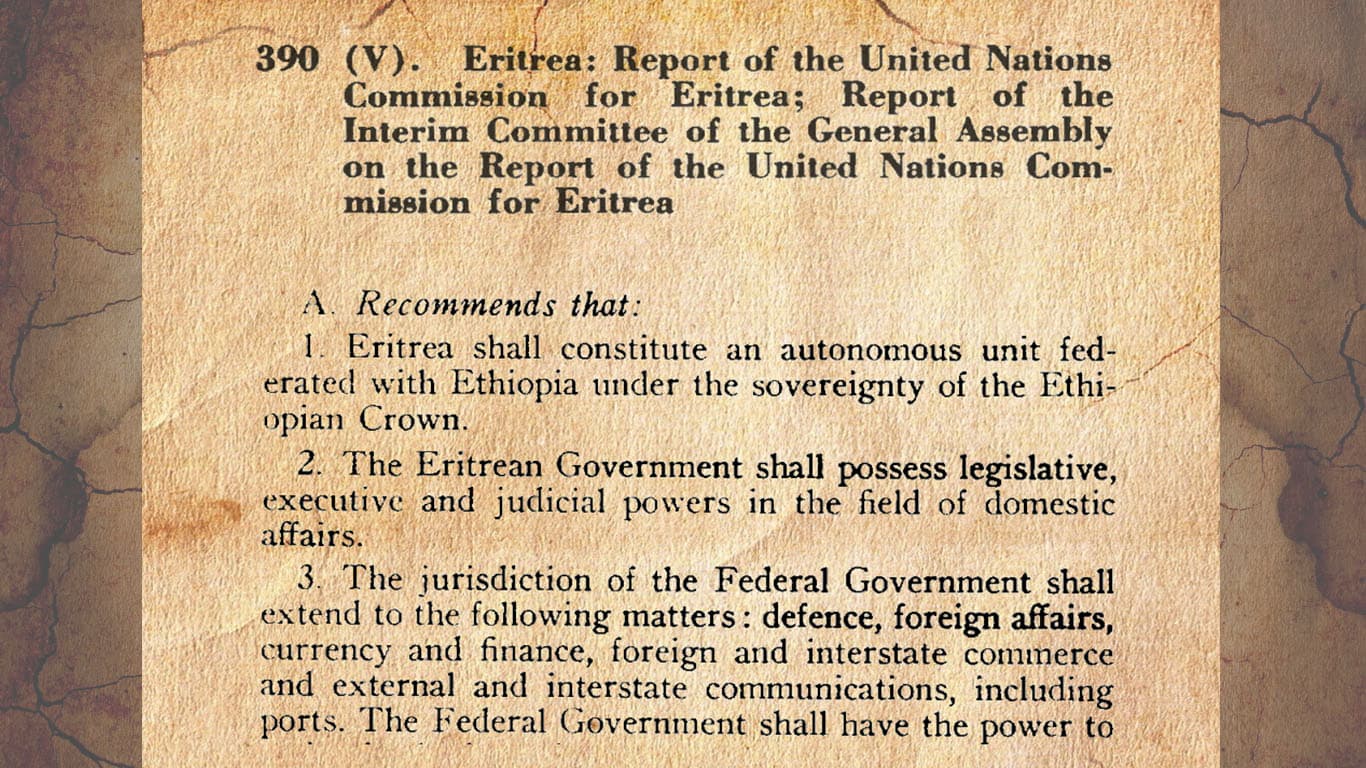
2 Dec, 1950
UN Resolution 390 A (V) passed to federate Eritrea with Ethiopia
UN Resolution 390 A (V) passed to federate Eritrea with Ethiopia. This was a U.S. sponsored compromise to find a middle ground between full union with Ethiopia and full independence ignoring the majority wish of Eritreans.
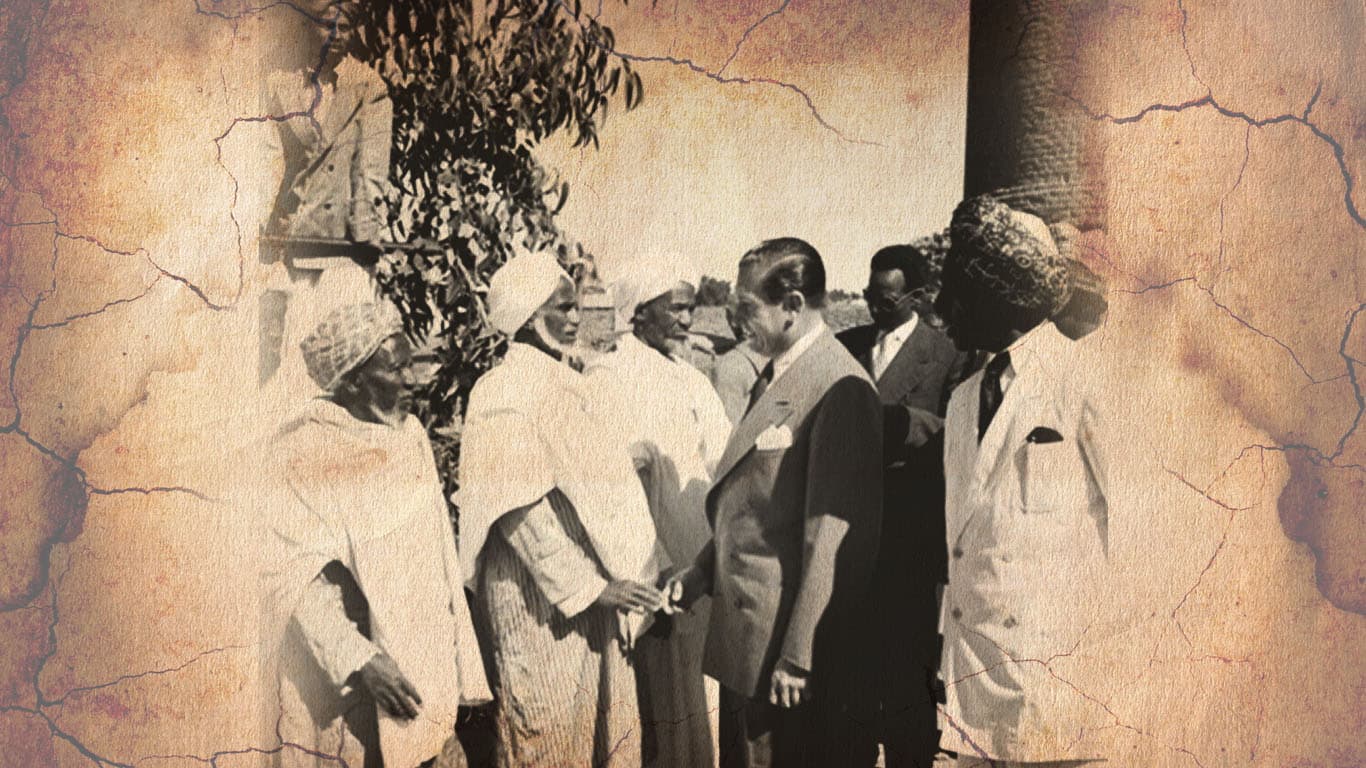
21 Feb, 1951
Transition to Federation - U.N. Commissioner Anze Matienzo Arrived
Following the passing of the UN resolution to federate Eritrea with Ethiopia, Anze Matienzo arrived in Eritrea to oversee the transition to federation.
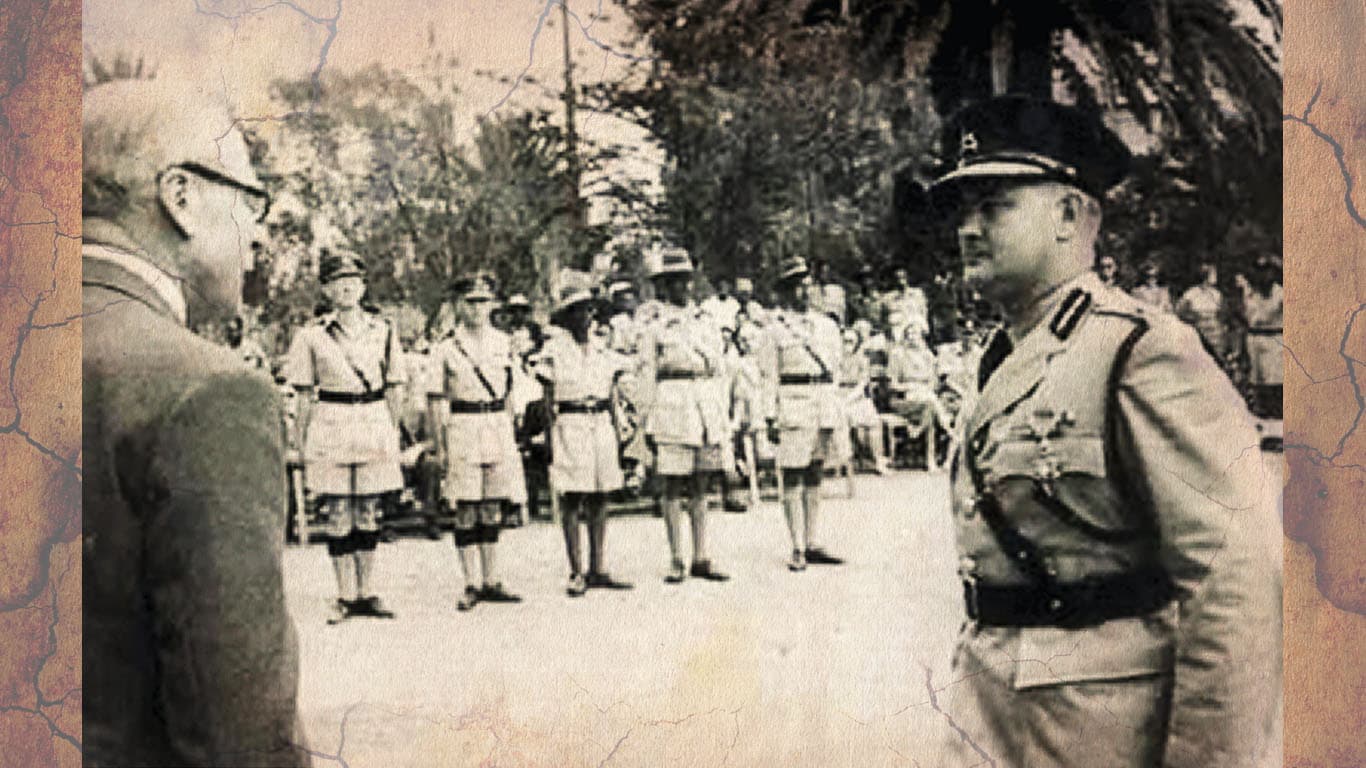
In June of 1951
British Campaign Successfully Ended Shifta-Related Violence
British Campaign Successfully Ended Shifta-Related Violence that became rampant with the unrest and division within the Eritrean society on deciding the future of the colony of Eritrea
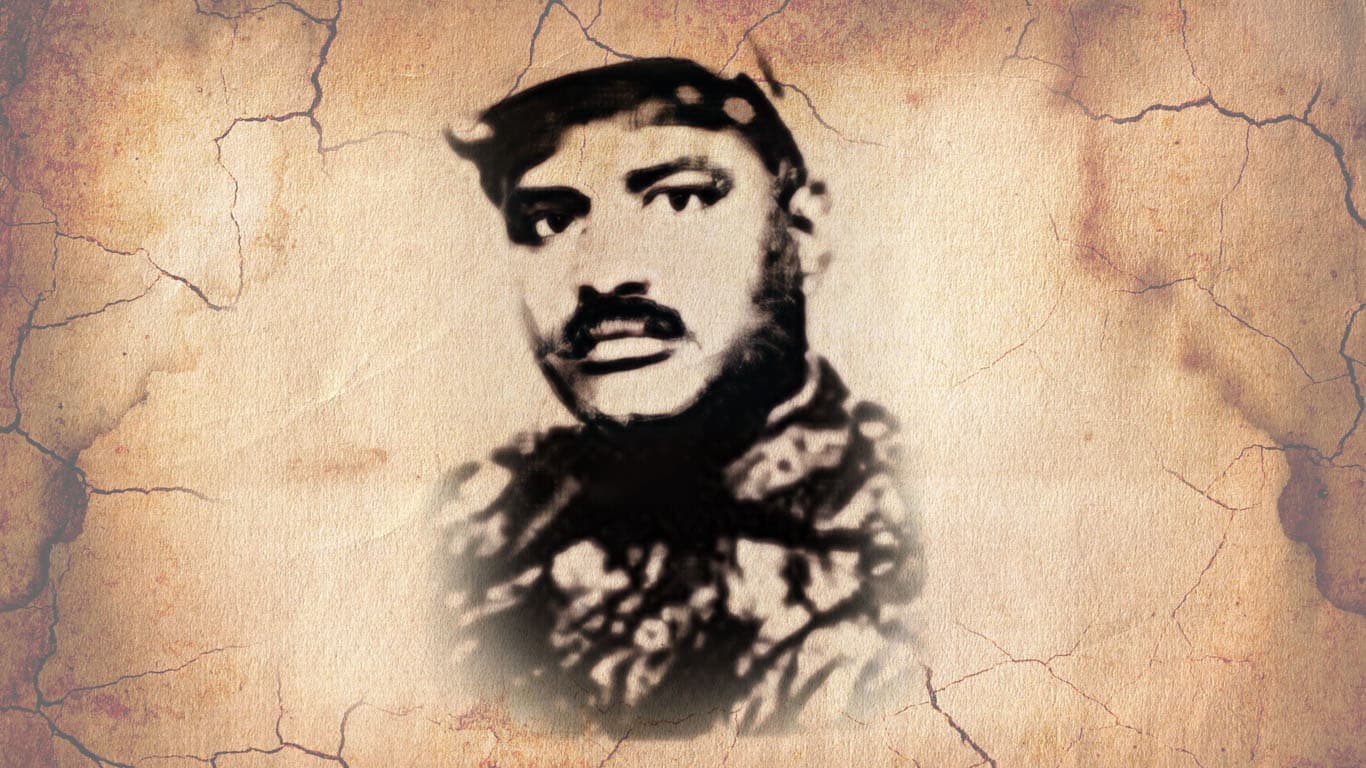
21 Jan, 1952
Eritrean Student Movement in Cairo
A group of Eritrean students in Cairo, Egypt, formed a pivotal organization that would shape the course of Eritrea's revolutionary history.
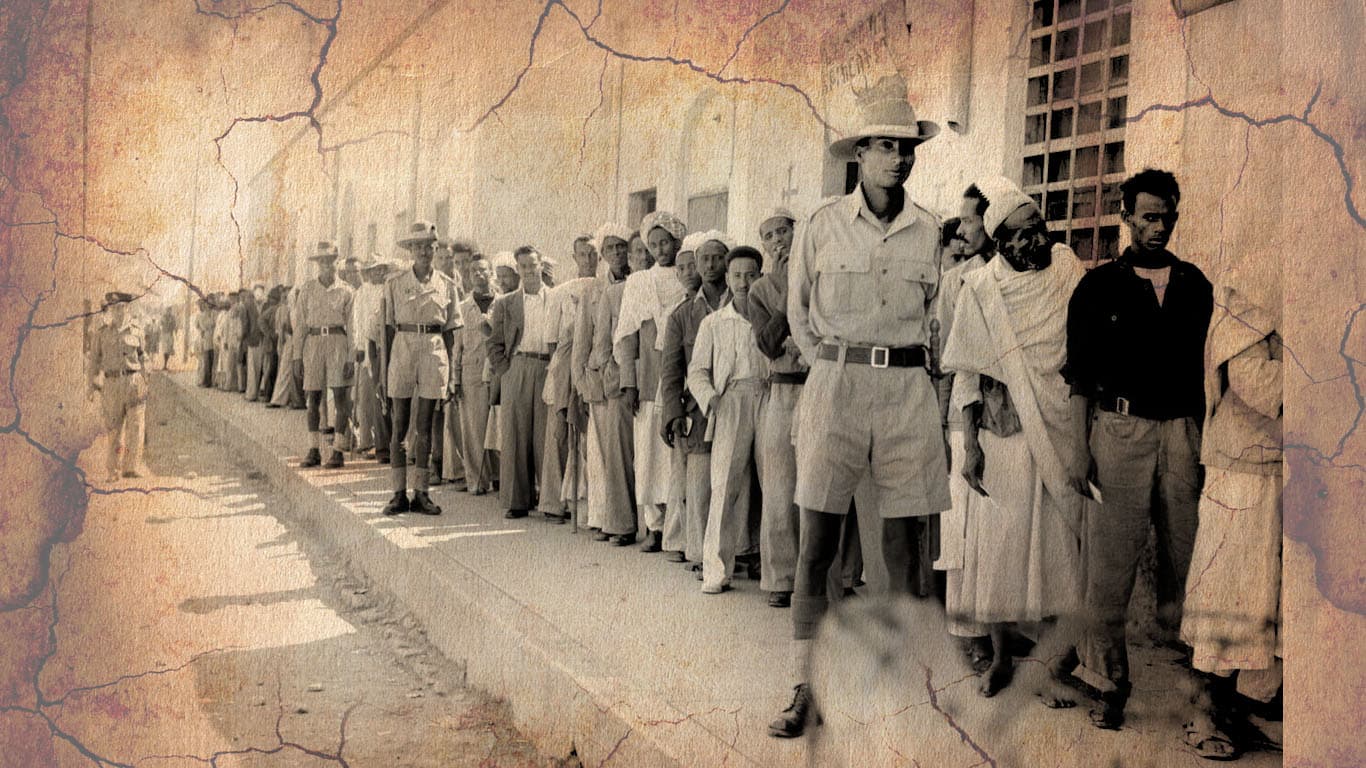
26 Mar, 1952
Eritreans Voted For Representative Assembly
The first election in the history of Eritrea was held by memebers of the public to elect their representatives in the National Assembly
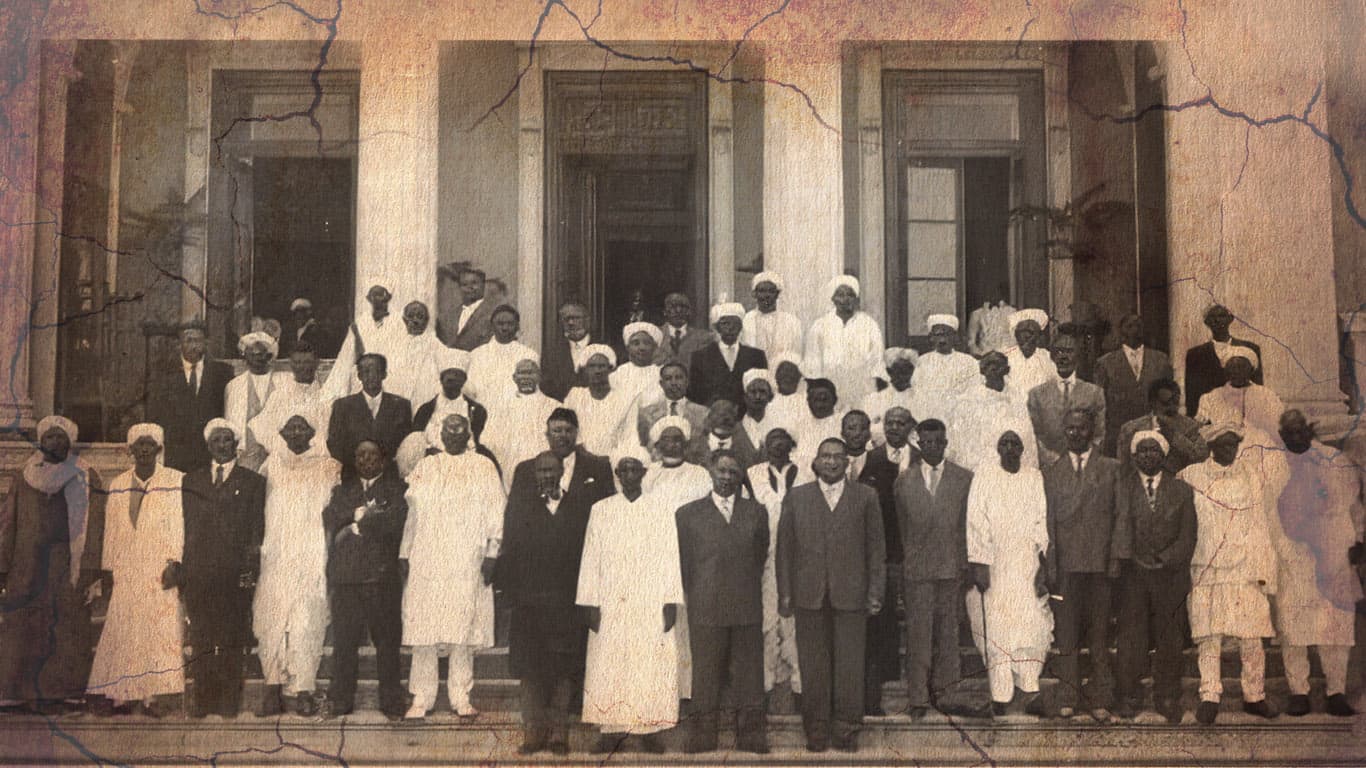
10 Jun, 1952
Eritrean Constitution Adopted By Assembly
On June 10, 1952, Eritrea's Representative Assembly unanimously adopted a UN-drafted constitution federating Eritrea with Ethiopia. Within a decade, every guarantee it contained had been systematically violated.
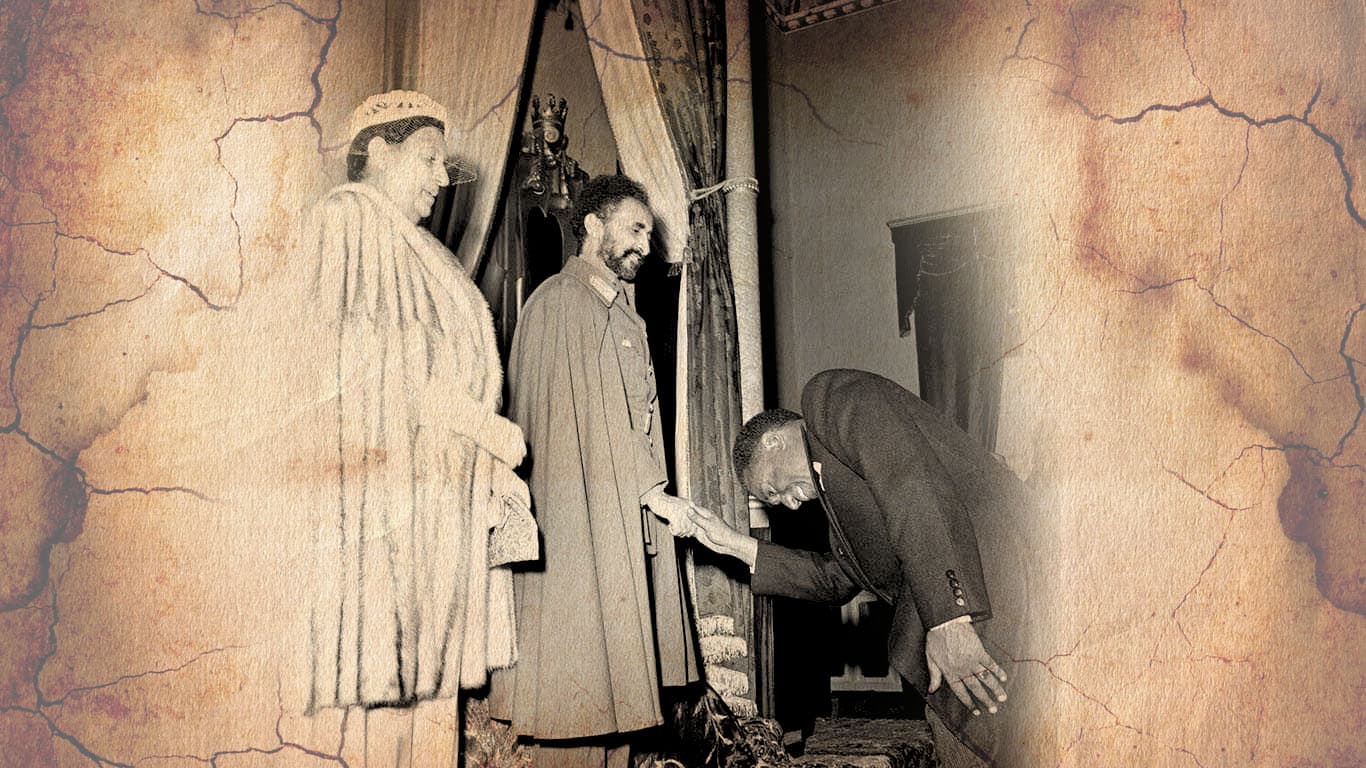
11 Sep, 1952
Federal Act Federating Eritrea with Ethiopia Ratified
Emperor Haile Selassie ratified the Federal Act, federating Eritrea with Ethiopia per UN resolution in the Throne Room of the Imperial Palace in Addis Ababa.
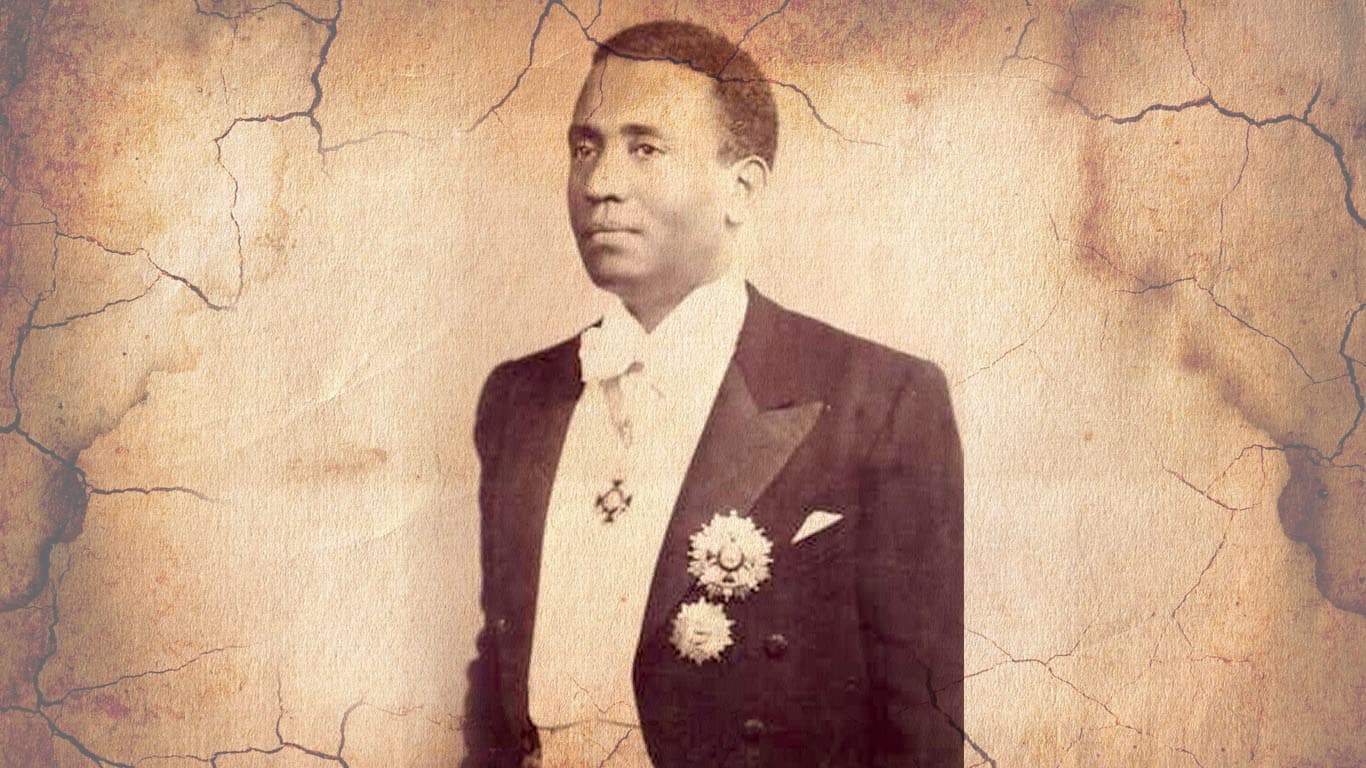
13 Sep, 1952
Tedla Bairu Elected As Chief Executive of Eritrea
Tedla Bairu was elected as Chief Executive of the Government of Eritrea, under the federal Imperial Ethiopian Crown
15 Sep, 1952 - 30 Sep, 1952
Ethiopian Military Occupied key Towns and Ports
Ethiopian Military Occupied key Towns and Ports
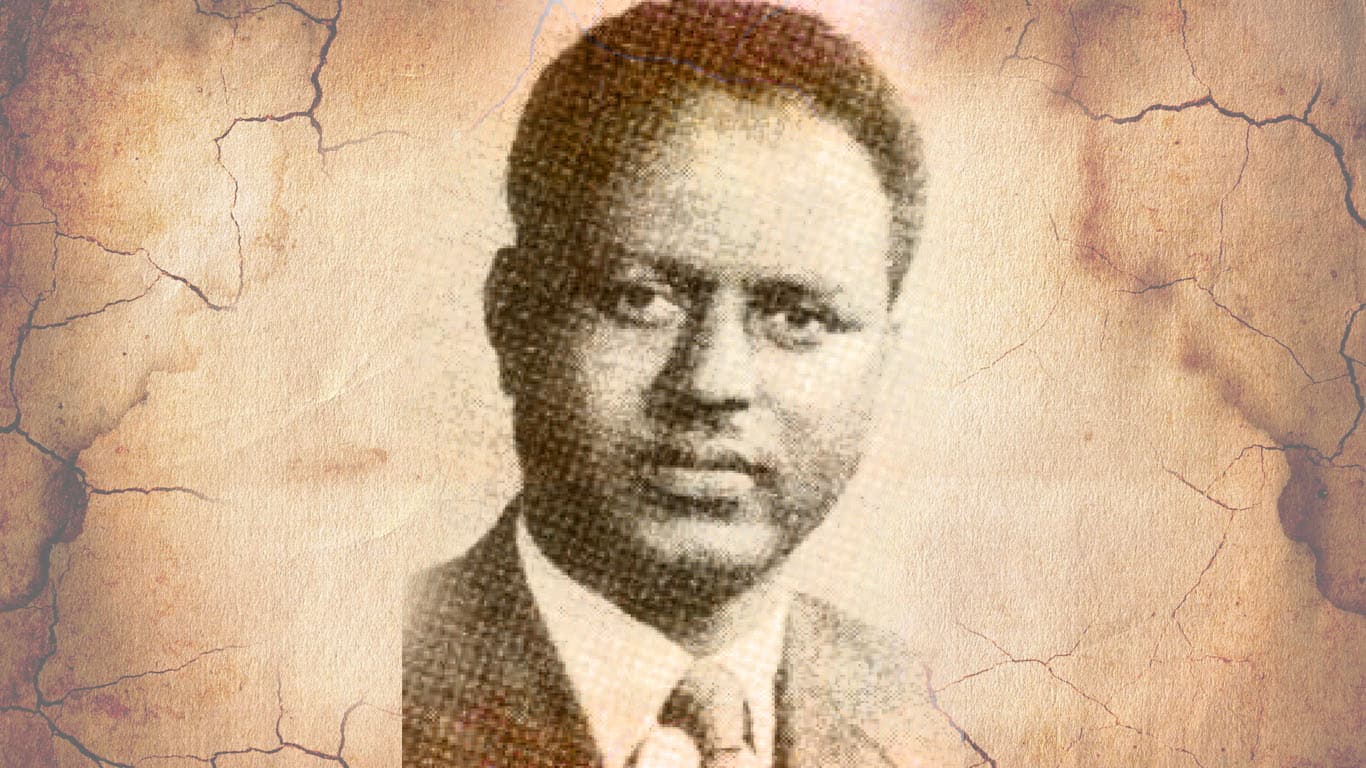
16 Nov, 1952
The Syndicate of Free Eritrean Workers was Founded
The Syndicate of Free Eritrean Workers was Founded and Woldeab Woldemariam was elected its president. It was the first trade union organization in Eritrea and one of the first in Africa.
In February of 1953
Woldeab Woldemariam Severely Wounded After 7th Assassination Attempt
Woldeab Woldemariam was severely wounded after a 7th assassination attempt that left him hospitalized for 5 months. He left for exile to Sudan soon after.
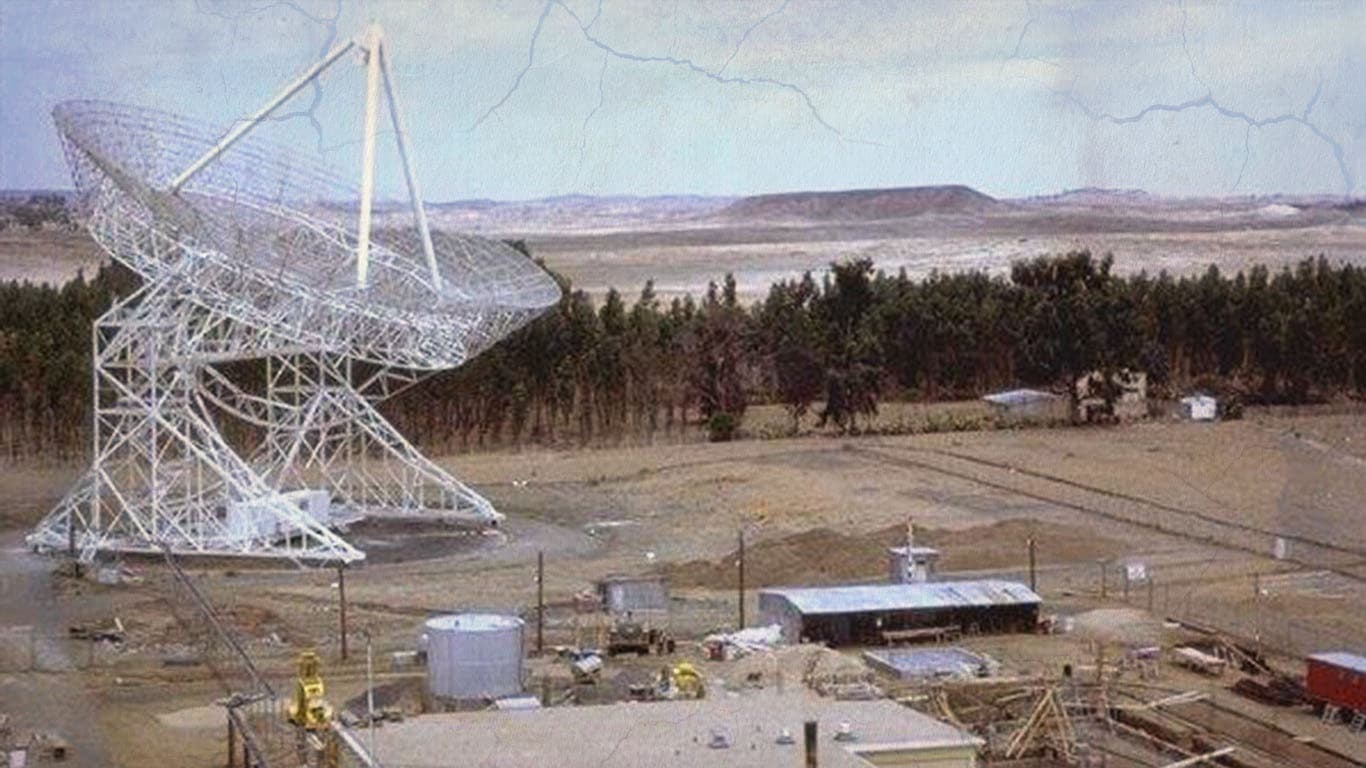
22 May, 1953
Kagnew Station Leased to U.S. for 25 Years
A 25-year lease is signed between the governments of the United States and Ethiopia to establish a military communications base at Kagnew Station in Asmara.
23 Jul, 1955
Tedla Bairu Resigned As Chief Executive of Eritrea
Tedla Bairu resigned as Chief Executive of Eritrea. He was eventually replaced by Asfaha Woldemichael permanently, after Araya Wassie held the position for 10 days in acting capacity.
In September of 1956
Early Student Protests Begun
Early student protests begun to spread although they were brought under control soon.
In September of 1956
Woldeab Woldemariam Started Radio Broadcasting from Cairo
Woldeab Woldemariam, a leading figure in the movement for the independence of Eritrea, started radio broadcasting from exile in Cairo having survived many assassination attempts at home.
5 Sep, 1956 - 6 Sep, 1956
Second Assembly with Unionist Majority was Elected
Second Assembly with Unionist Majority was Elected
In the year 1958
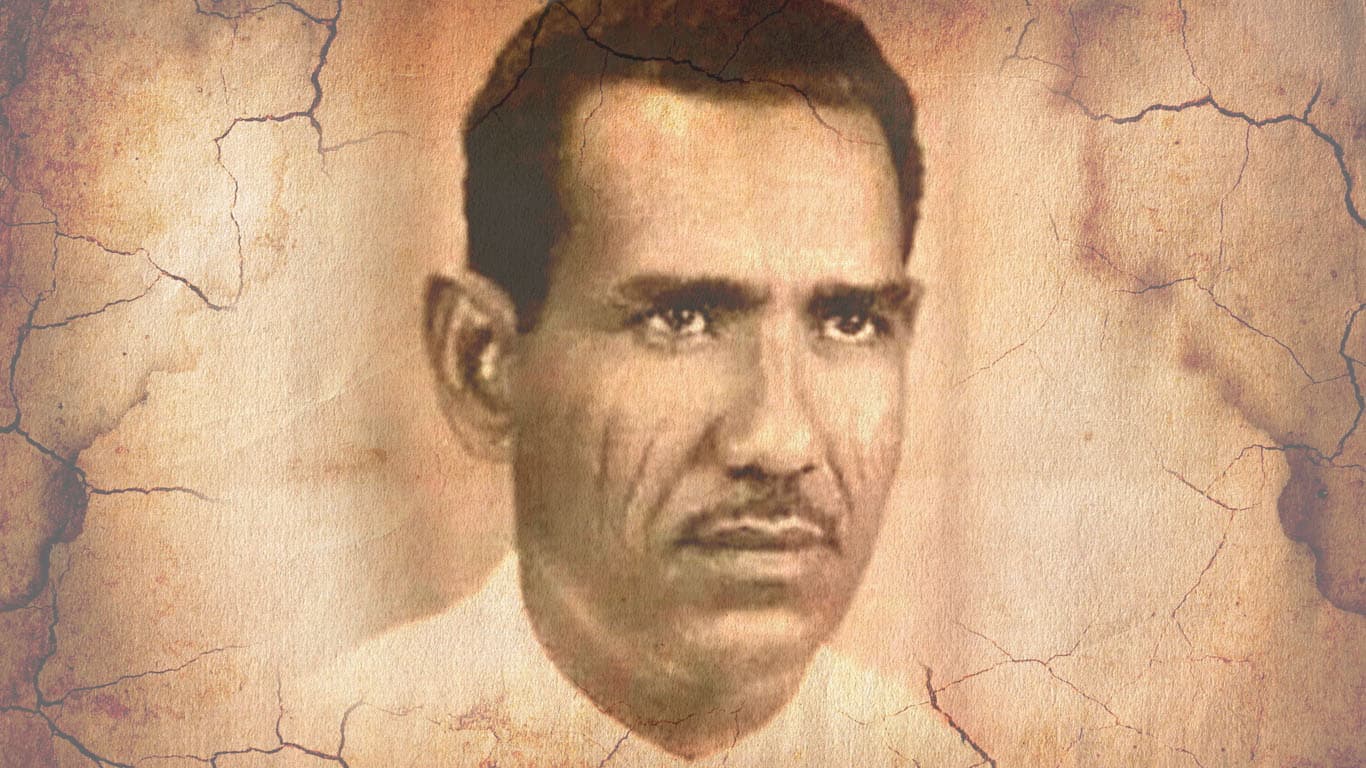
The Convergence of Student Activism and Military Resistance
The rise and convergence of activism of Eritrean students in Cairo and Eritrean soldiers serving in the Sudanese army for Eritrean independence.
10 Mar, 1958 - 14 Mar, 1958
General Strike Occurred in Asmara
A general peaceful strike against the new federal labor laws were held in Asmara. This was met with violent response by the Ethiopian troops. Several were killed while hundreds were wounded.
2 Nov, 1958
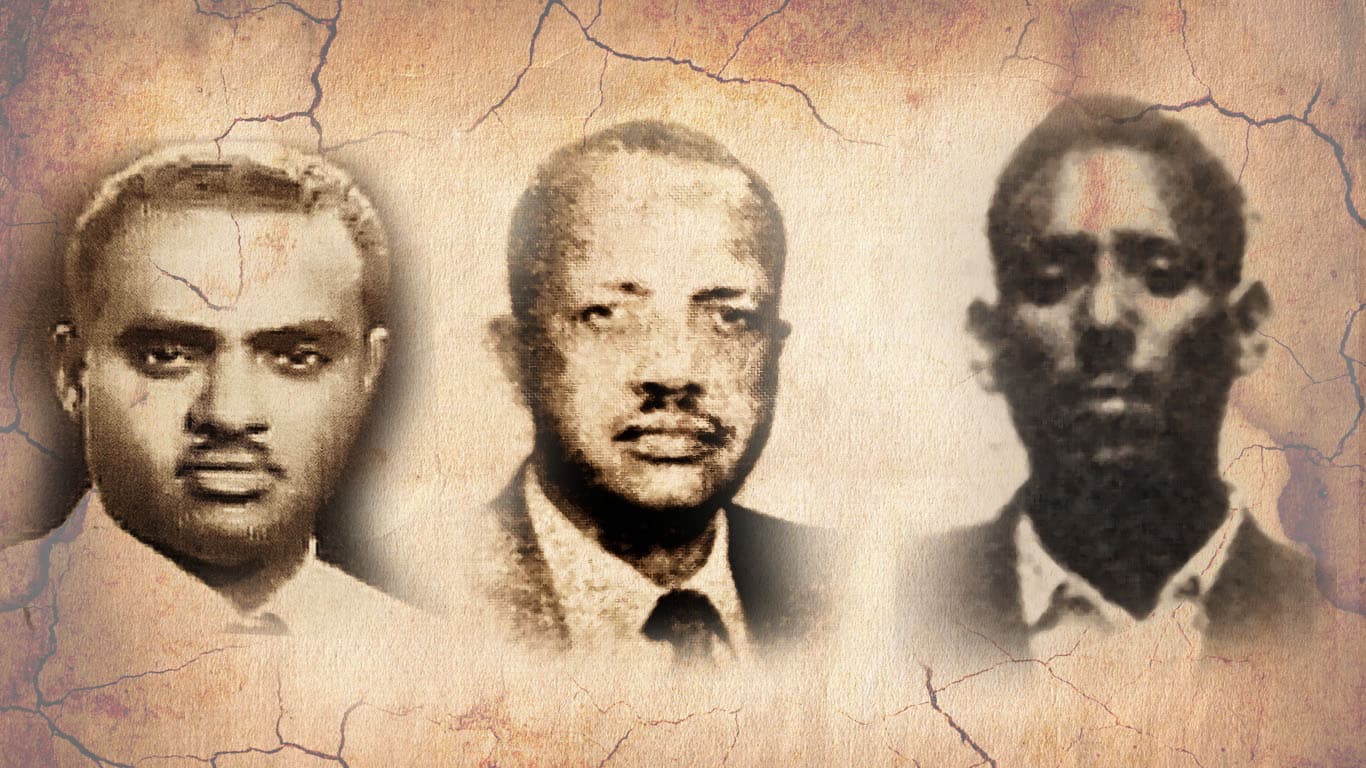
Eritrean Liberation Movement (ELM) Established
The clandestine Harekat Tahrir Eritrea, Mahber Shob'Ate or Eritrean Liberation Movement (ELM) was established in November 1958 by five young Eritrean exiles in Port Sudan.

24 Dec, 1958
Eritrean Flag was Banned
The Eritrean flag with the green olive wreath on a sky-blue background was banned by the Ethiopian government further eroding the autonomy of the Government of Eritrea.
10 Jul, 1960
Eritrean Liberation Front was Founded
Eritrean Liberation Front (ELF) was founded in Cairo by the former Chairman of the General Assembly, then exiled, Idris Mohammed Adem along with other intellectuals.
3 Aug, 1961
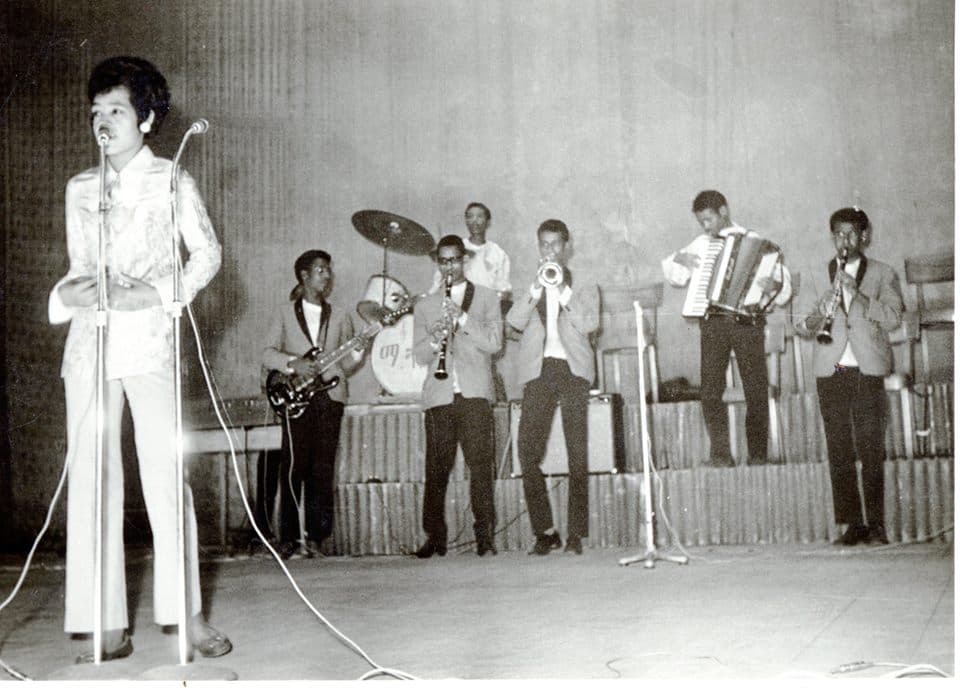
Asmara Theater Association (Mat’A) Founded
Mahber tyatr Asmera (Mat'A) or Asmara Theater Association was founded by interested citizens to push for an Eritrean cultural and national renaissance.
1 Sep, 1961
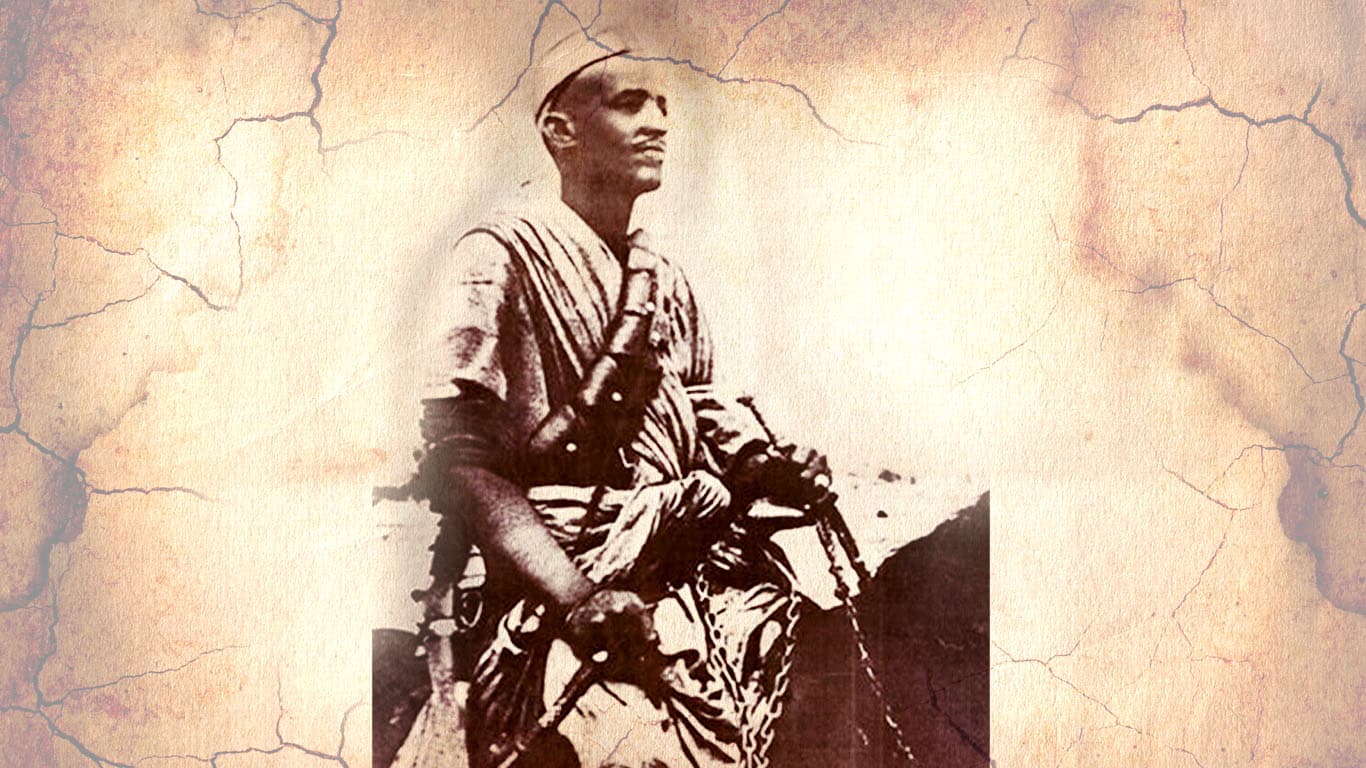
Beginning of the Armed Struggle
Hamid Idris Awate led the first attack on Ethiopian posts heralding the beginning of the armed resistance for Eritrea's independence from Ethiopia
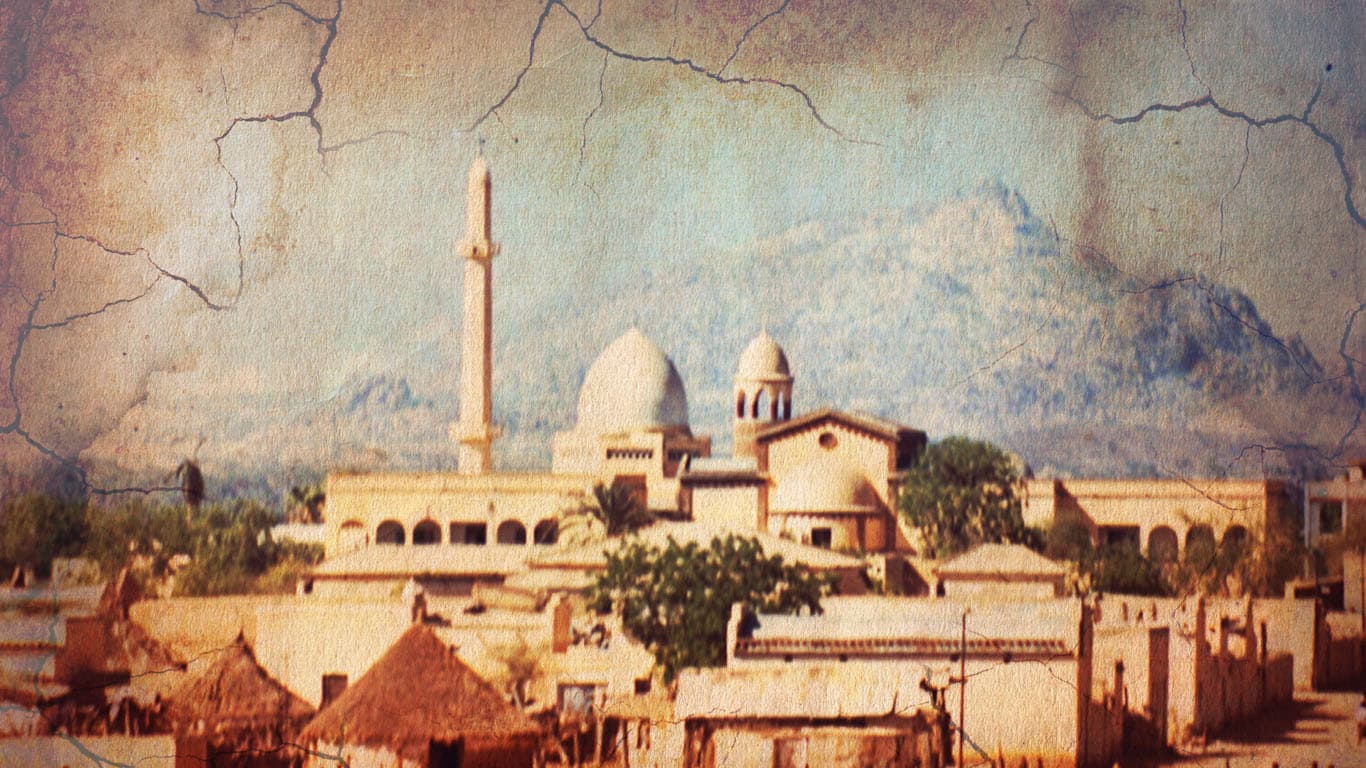
12 Jul, 1962
Bomb Attack by ELF Fighters At Agordat
A bomb attack on high-level Ethiopian officials was carried out by ELF fighters in Agordat at a gathering to promote Ethiopia's forced annexation of Eritrea.
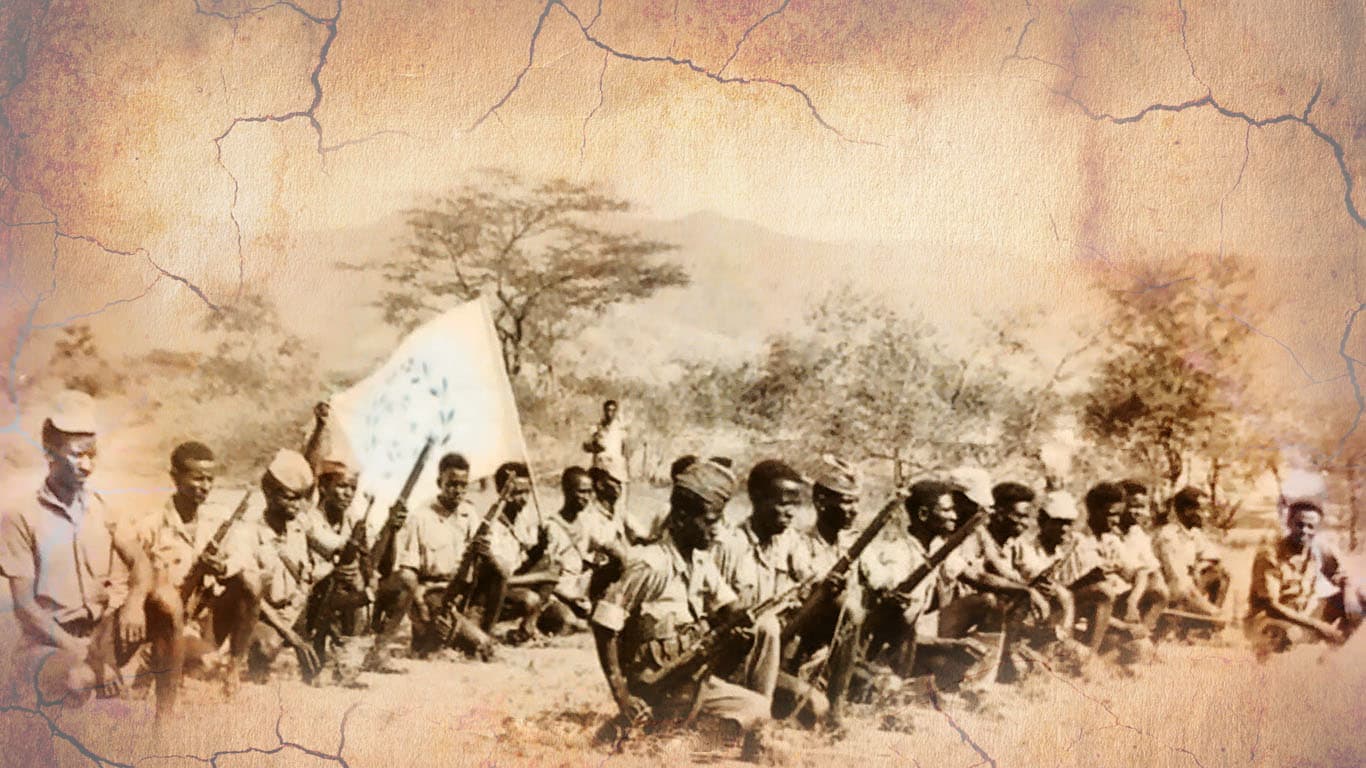
15 Mar, 1964
The Battle of Togoruba
The first ever organized open-confrontation battle between Eritrean freedom fighters and regular Ethiopian army took place at Togoruba.
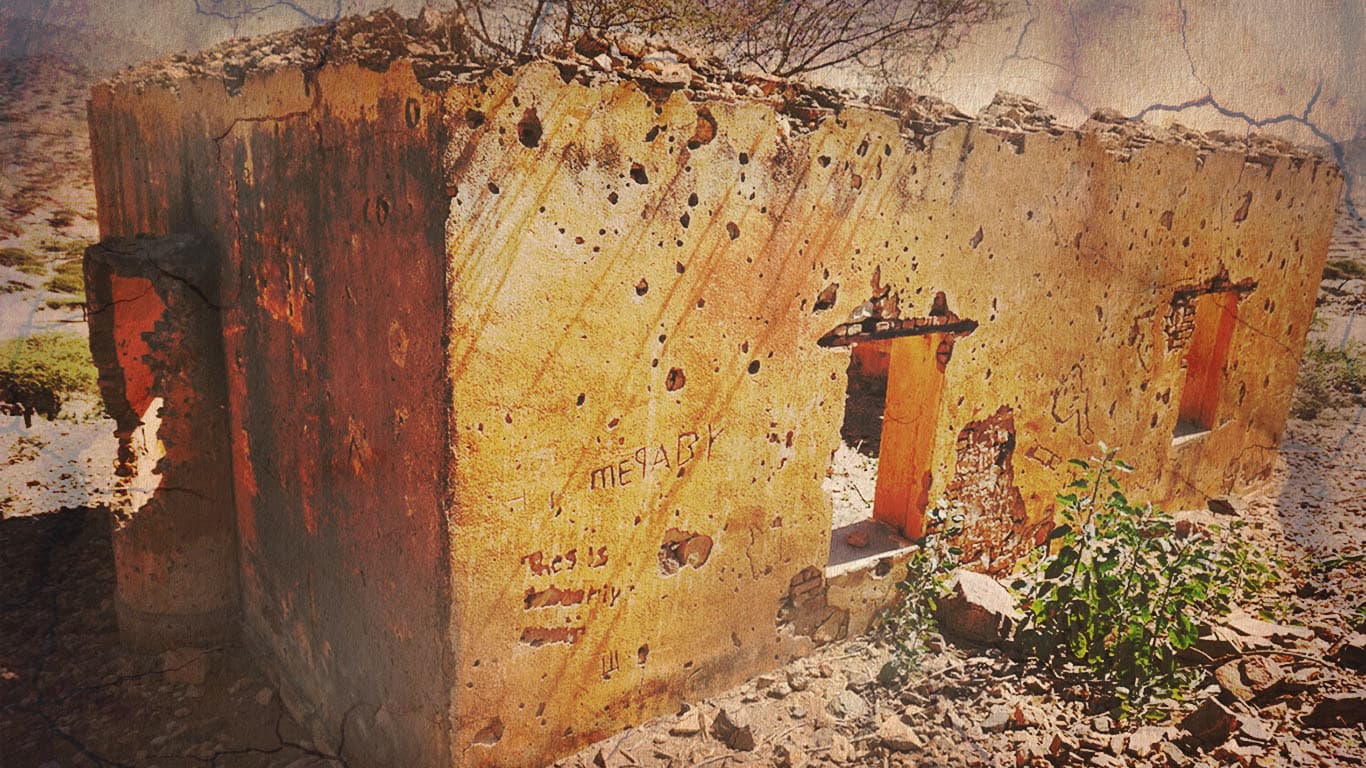
30 Nov, 1970
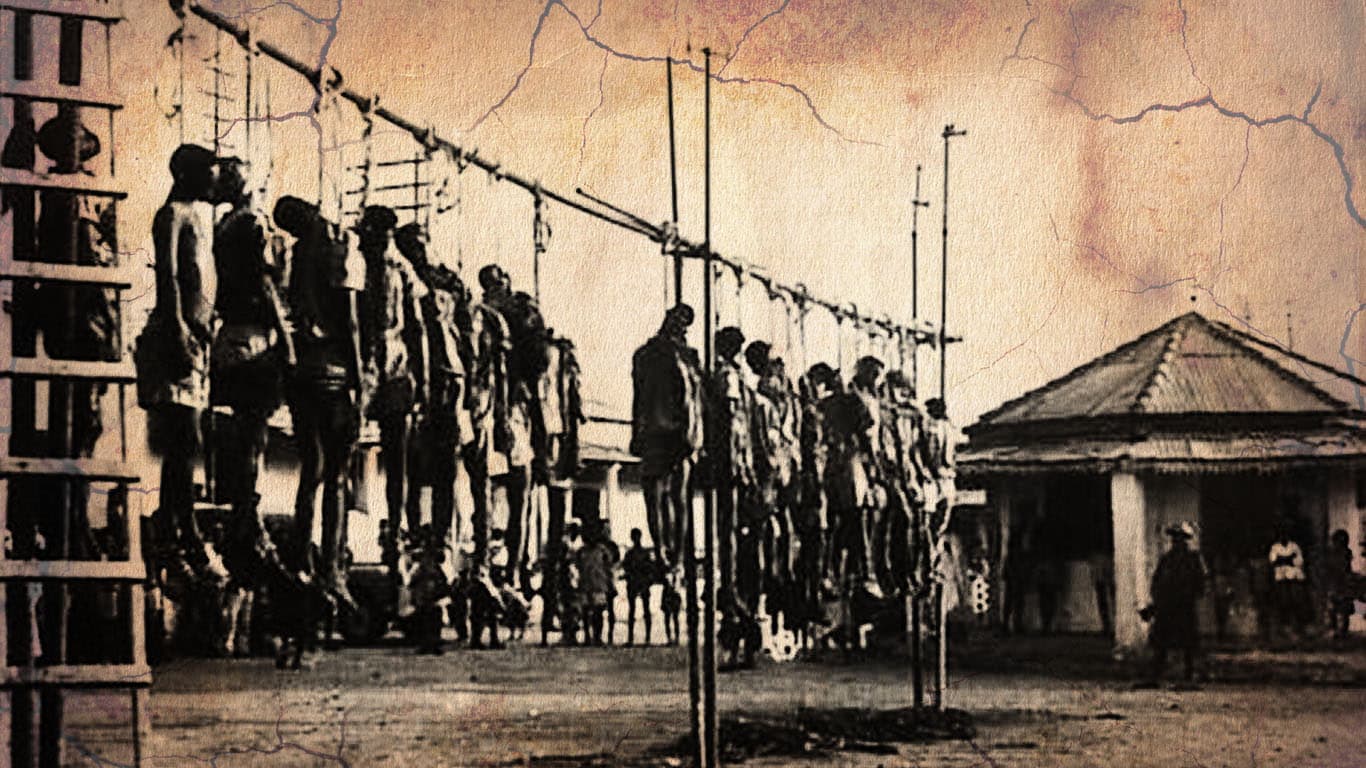
The Massacre at Besikdira
Ethiopian soldiers rounded up the entire village of Besikdira, forced the people into the local mosque, shot into them until almost all of them, including the elderly, women and children were dead.
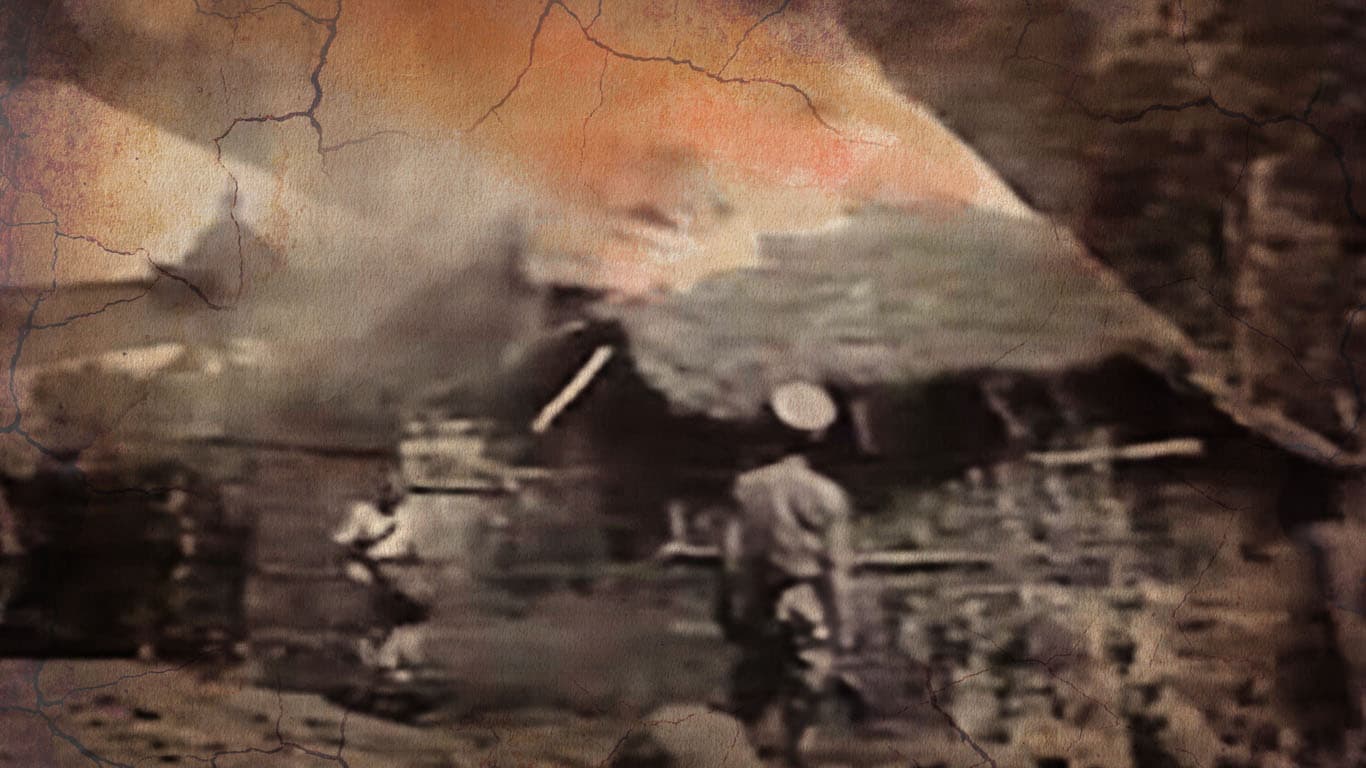
1 Dec, 1970
The Massacre at Ona
At Ona, more than 800 residents and people who fled from the Ethiopian army's bloody raids of the surrounding villages, notably Besikdira, were massacred.
23 Nov, 1974
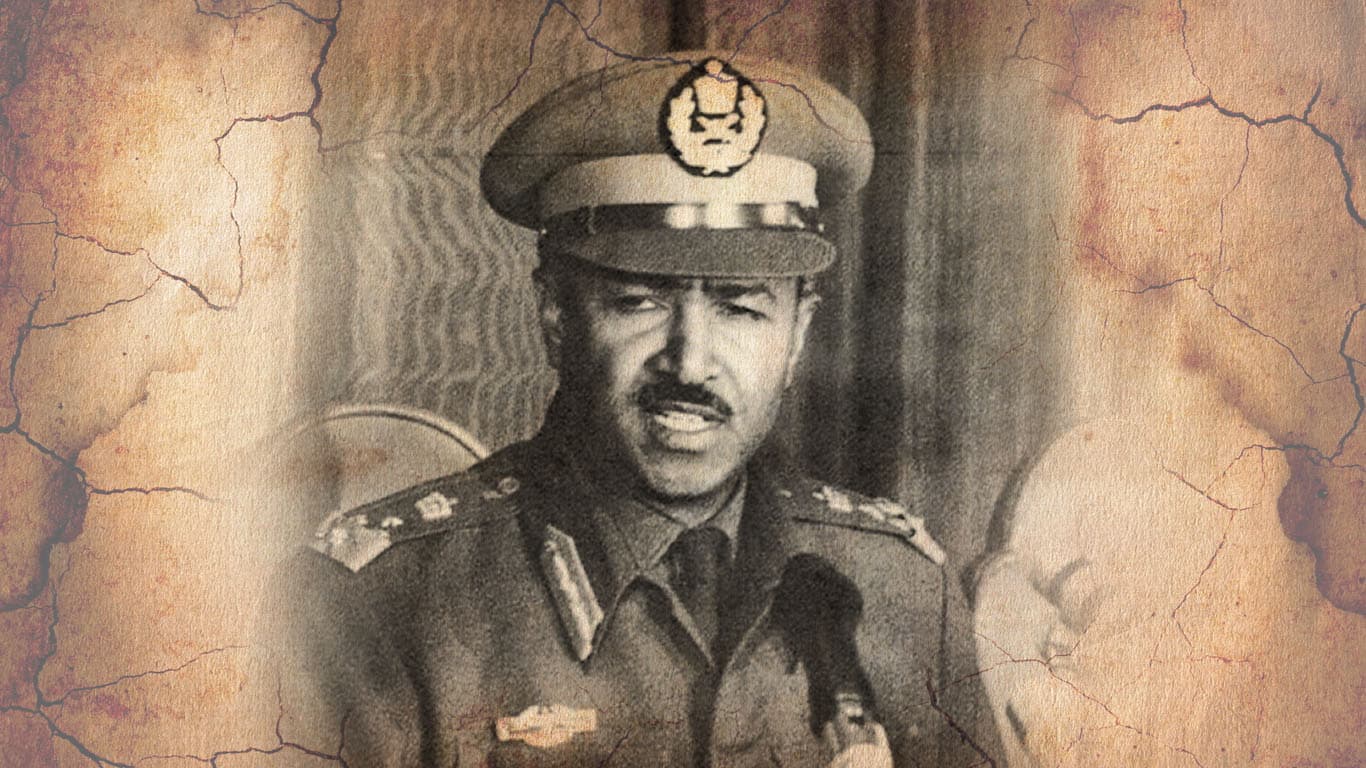
Gen. Aman Andom was Killed by the Military Derg
General Aman Andom, the Eritrean-born chairman of the Military Derg (council) and acting Head of State of Ethiopia was Killed by the Derg over critical disagreements over the path forward after the fall of Emperor Haile Selassie I.
12 Feb, 1975
ELF Operation at Sembel Prison
ELF carried out an operation at Sembel Prison in Asmara, Eritrea, freeing 730 political prisoners.
14 Feb, 1975
The Massacre at Asmara and Surrounding Villages
The Massacre at Asmara and Surrounding Villages
9 Mar, 1975
The Second Massacre at Agordat - Black Sunday
Following the assassination of a collaborator by ELF freedom fighters, an Ethiopian general orders the massacre against the residents of Agordat.
In June of 1978
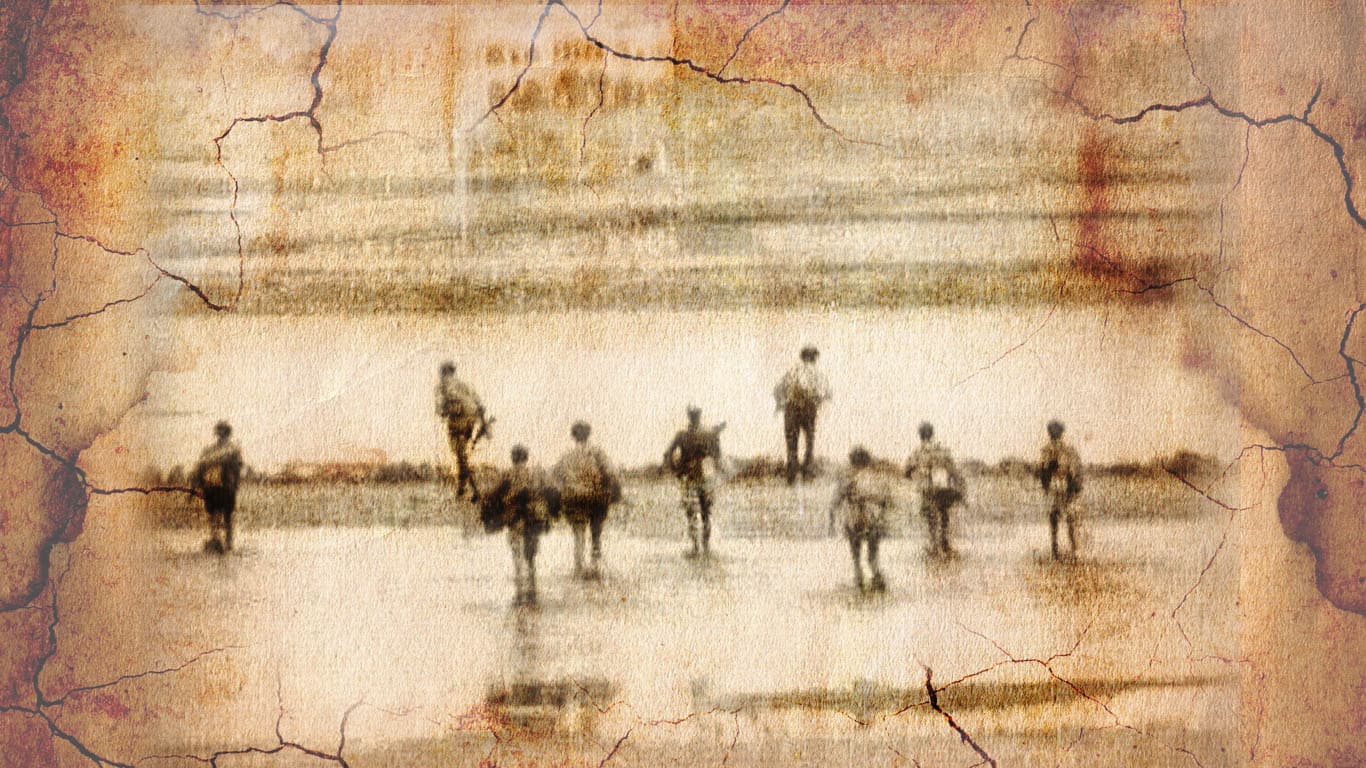
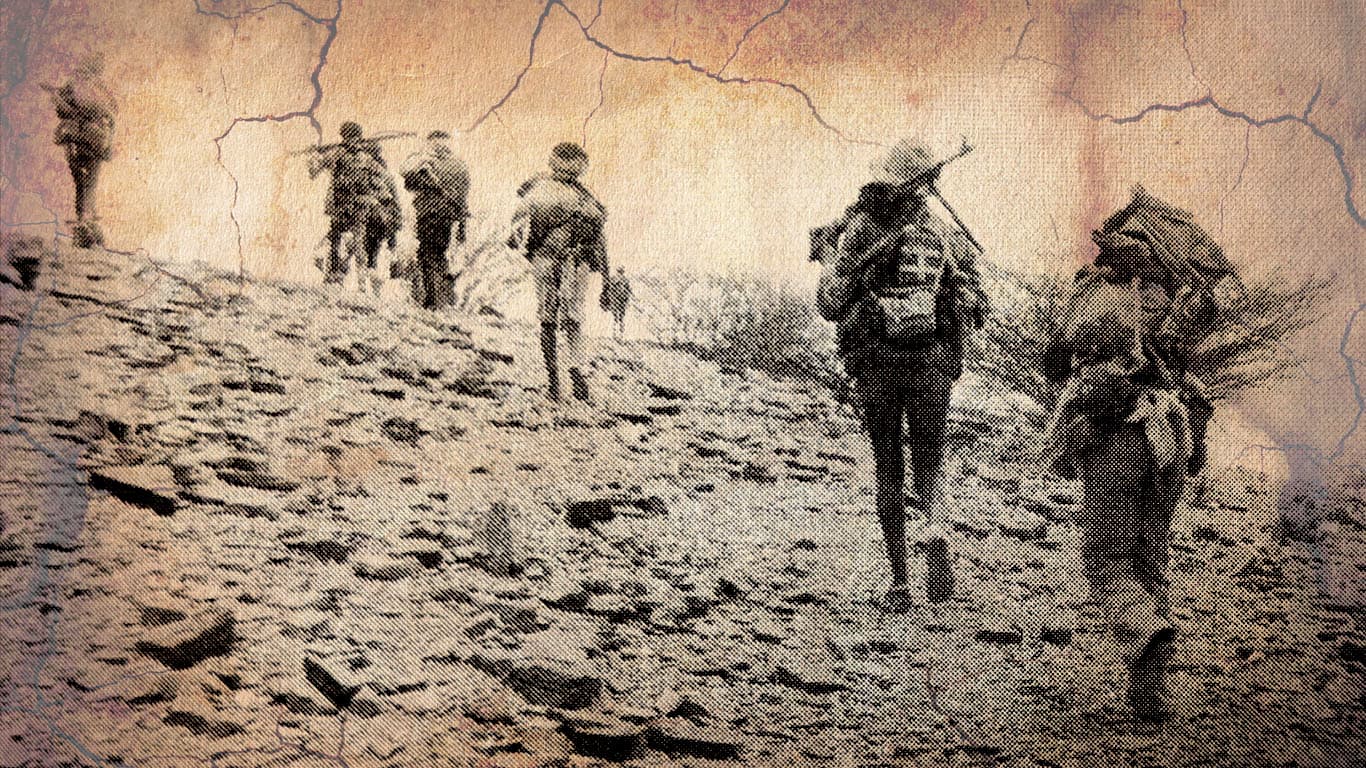
The Retreat of ELF and EPLF from Eritrean towns
In mid-1978, the Eritrean revolution faced a decisive moment when the military balance of power shifted. A strategic withdrawal was made.
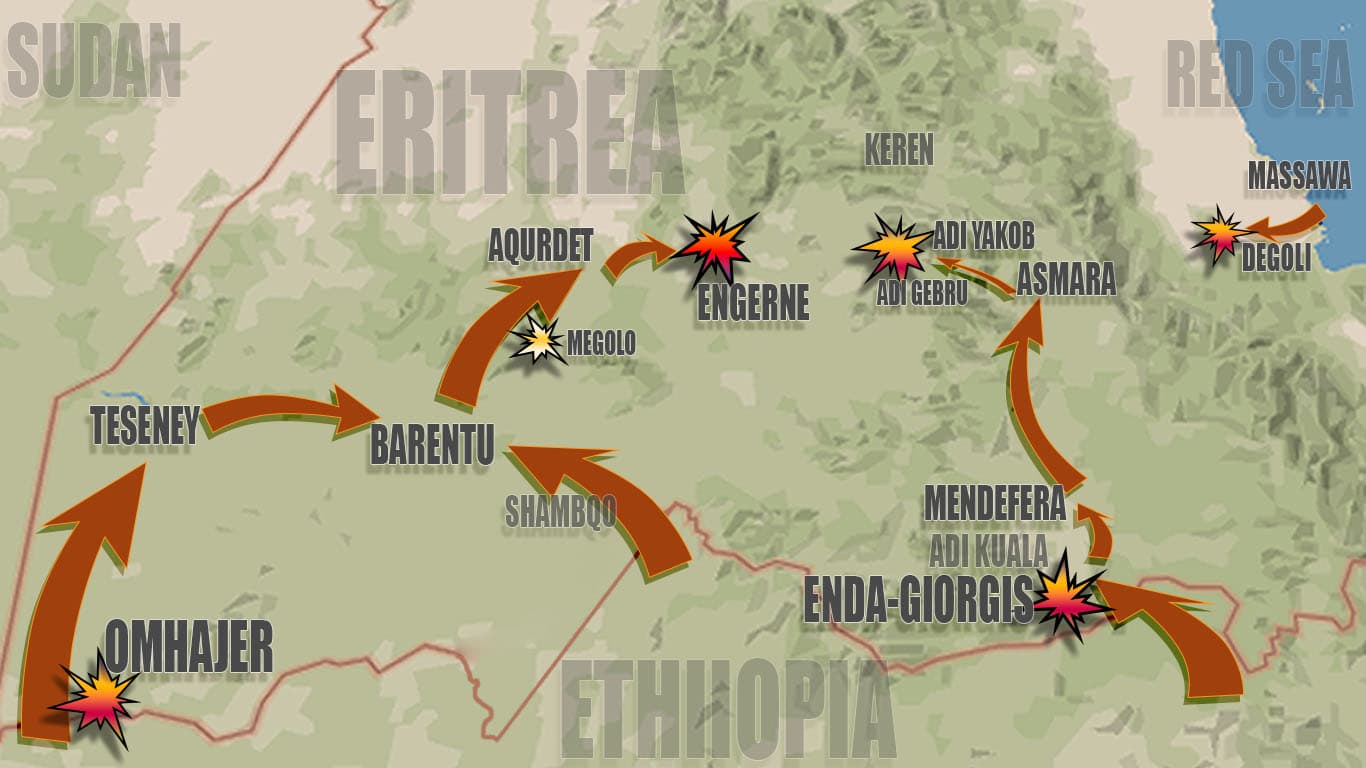
13 Jun, 1978
Ethiopian Derg Government 1st Military Campaign Against EPLF
The multi-pronged, 1st campaign of the Ethiopian Derg army against Eritrean liberation fronts of ELF and EPLF started on June 13, 1978. Asmara was captured.
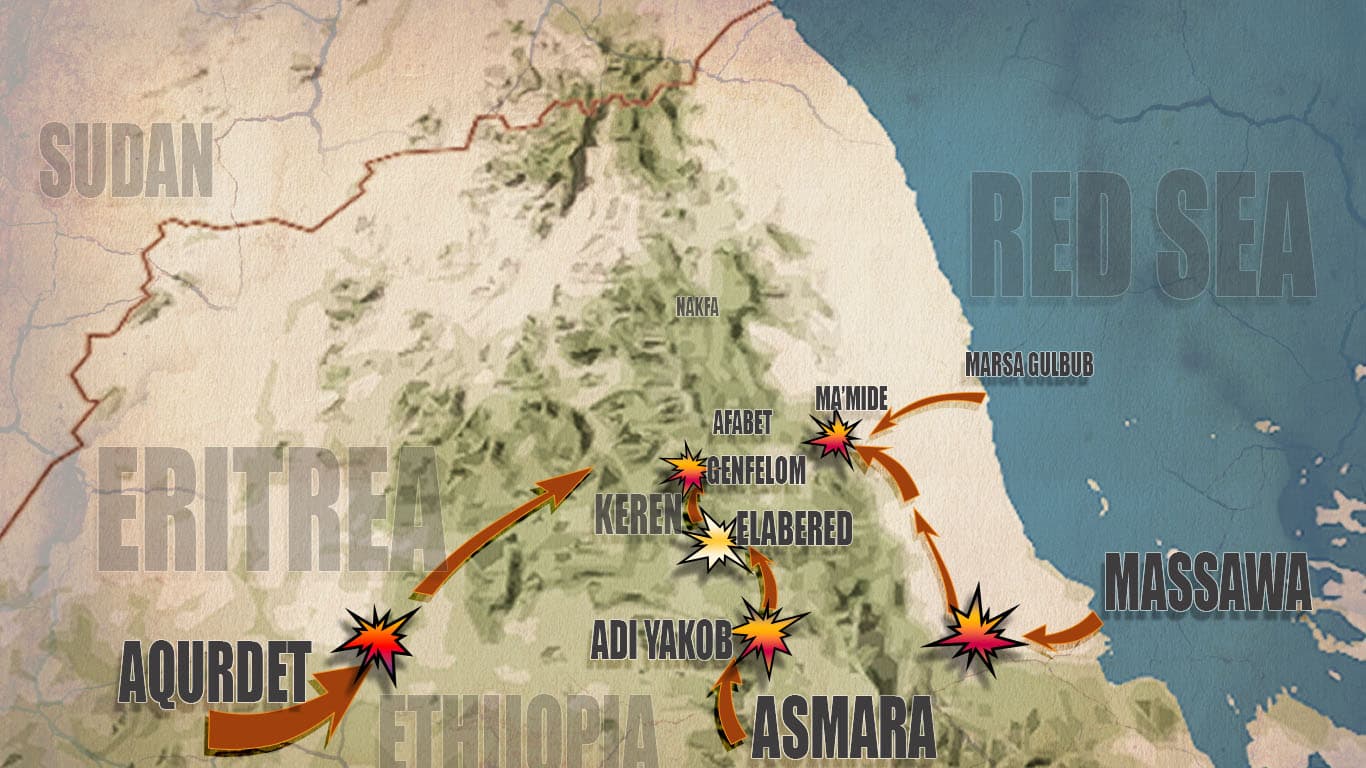
18 Nov, 1978
Ethiopian Derg Government 2nd Military Campaign Against EPLF
With a 3-month preparation, the Ethiopian Derg army launched its 2nd military campaign to annihilate EPLF in central highlands of Eritrea.
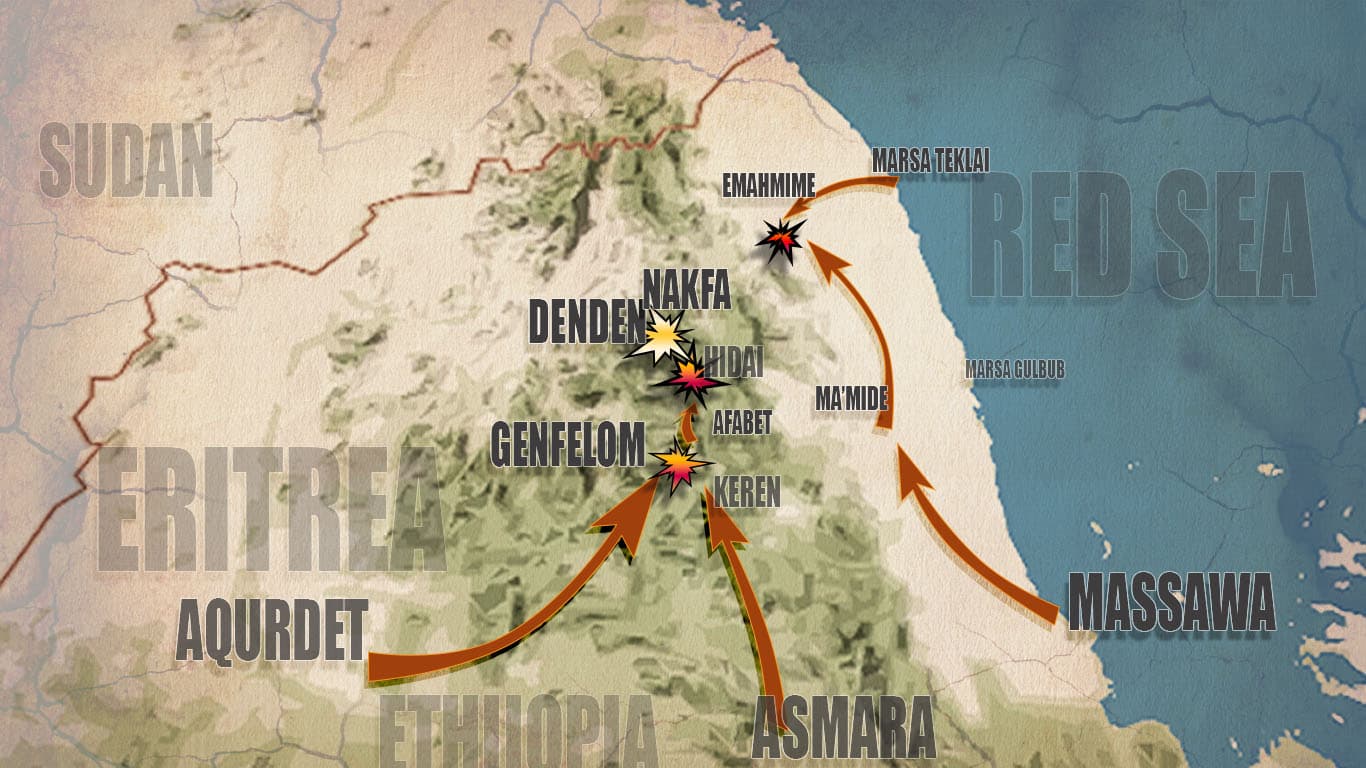
In January of 1979
Ethiopian Derg Government 3rd Military Campaign Against EPLF
The Ethiopian Derg Army launched its 3rd campaign at Genfelom and Emahmime, with reinforcements from Asmara, Agordat and Massawa. Nakfa Front was established.
30 Mar, 1979 - 11 Apr, 1979
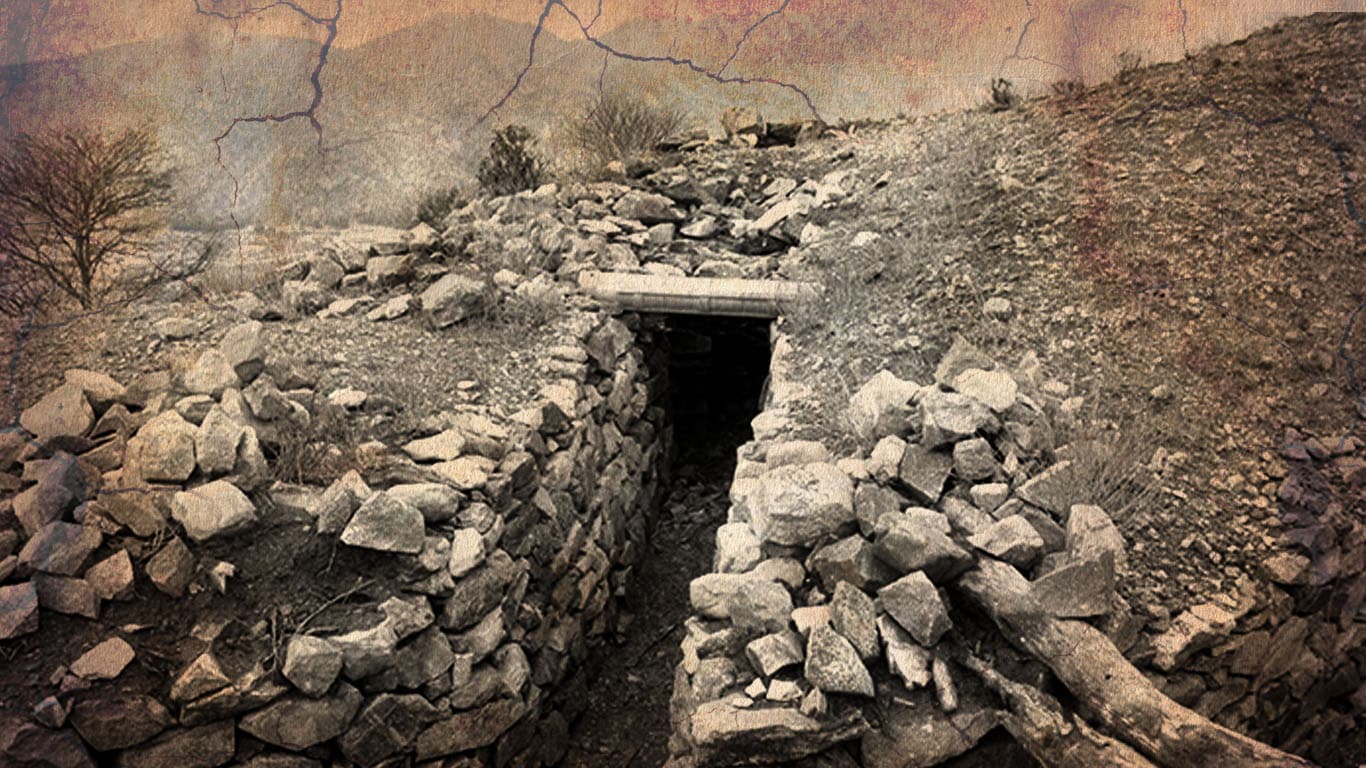
Ethiopian Derg Government 4th Military Offensive Against EPLF
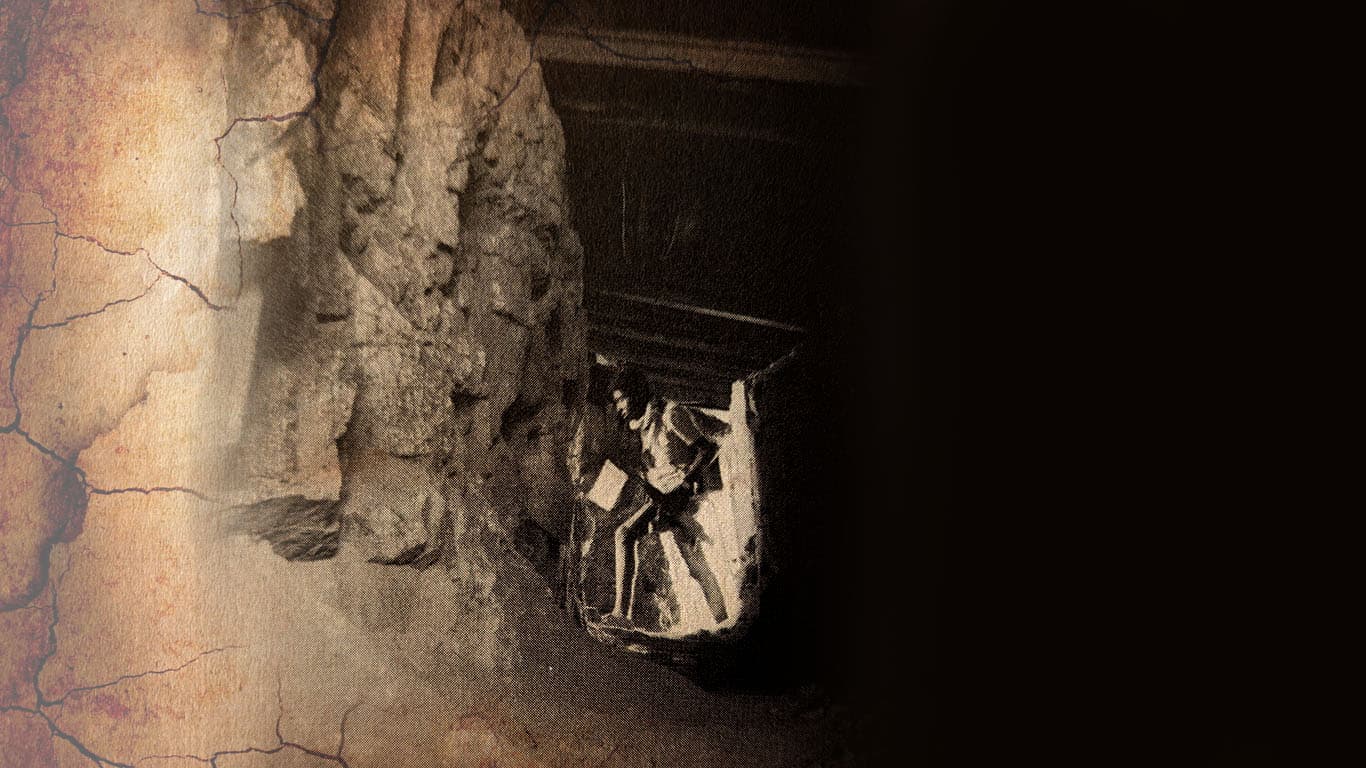
The Ethiopian Derg Army launched its 4th campaign aiming to break EPLF's fortified positions in a frontal attack at the Nakfa Front on March 30, 1979.
14 Jul, 1979 - 26 Jul, 1979
Ethiopian Derg Government 5th Military Offensive Against EPLF
The Ethiopian Derg Army launched its 5th campaign aiming to split EPLF's defense lines for double-encirclement and cut supply lines to the Nakfa Front in July 1979.
25 Jan, 1982 - 31 Jan, 1982
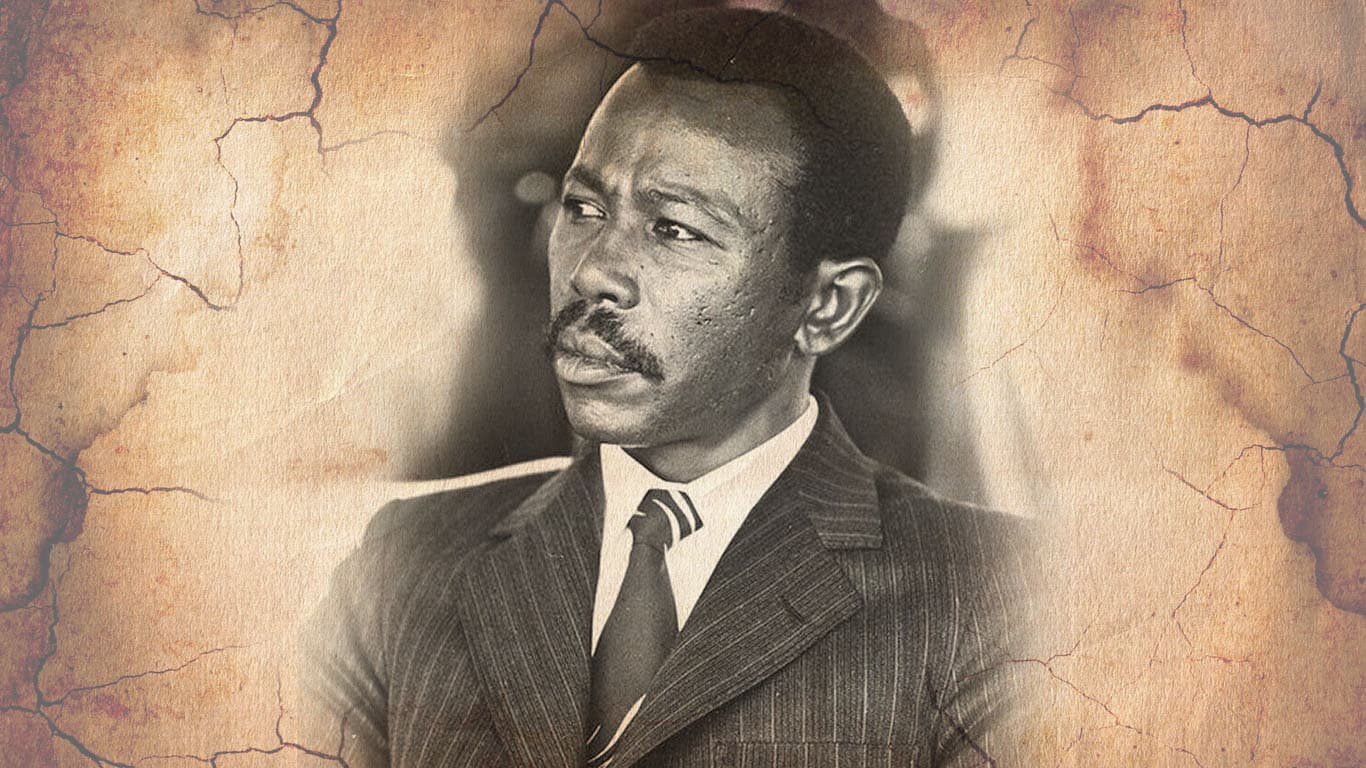
Asmara Manifesto and the Launch of the Red Star Campaign
The Ethiopian Derg government launched the multi-faceted Red Star Campaign in Asmara, Eritrea, to annihilate the Eritrean Peoples Liberation Front "once and for all."
15 Feb, 1982 - 20 Jun, 1982
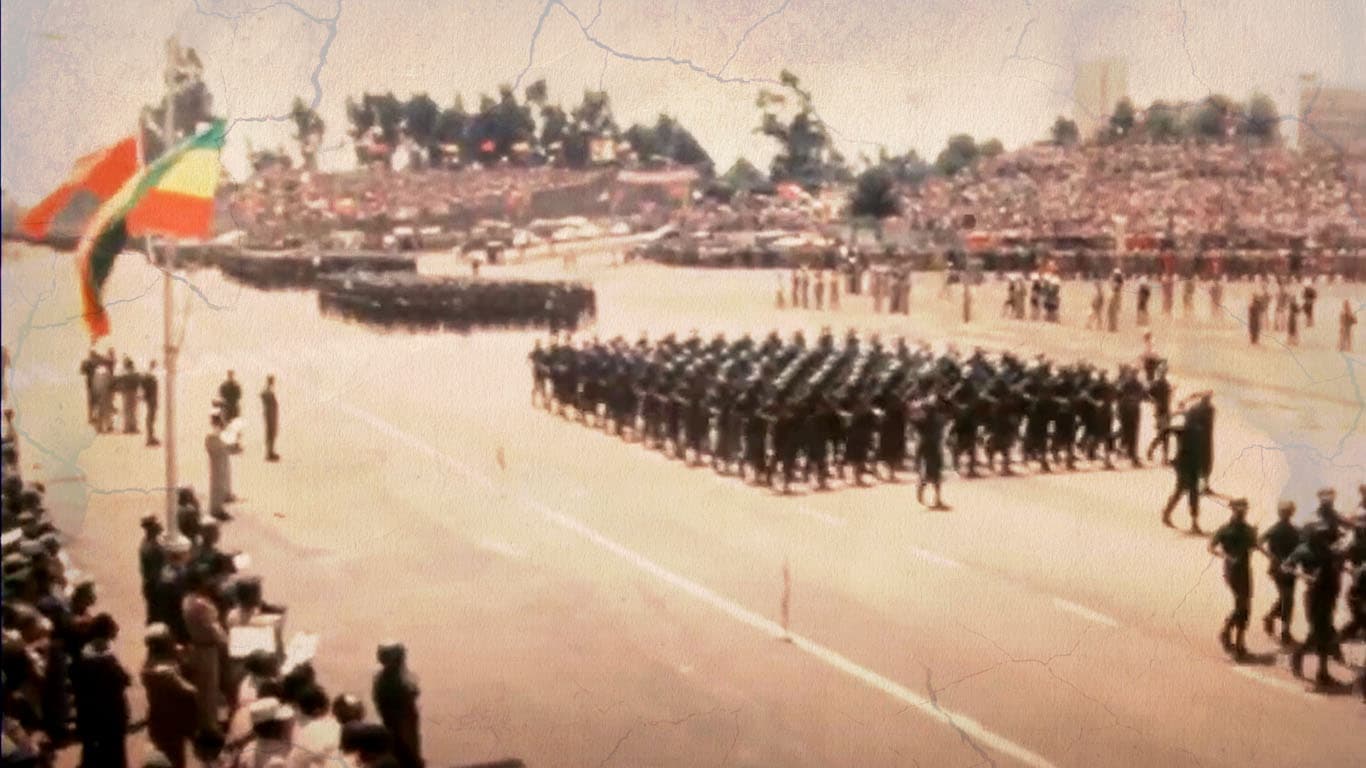
Ethiopian Derg Government 6th Military Offensive Against EPLF
Ethiopian Derg Government 6th Military Offensive Against EPLF
25 Mar, 1982
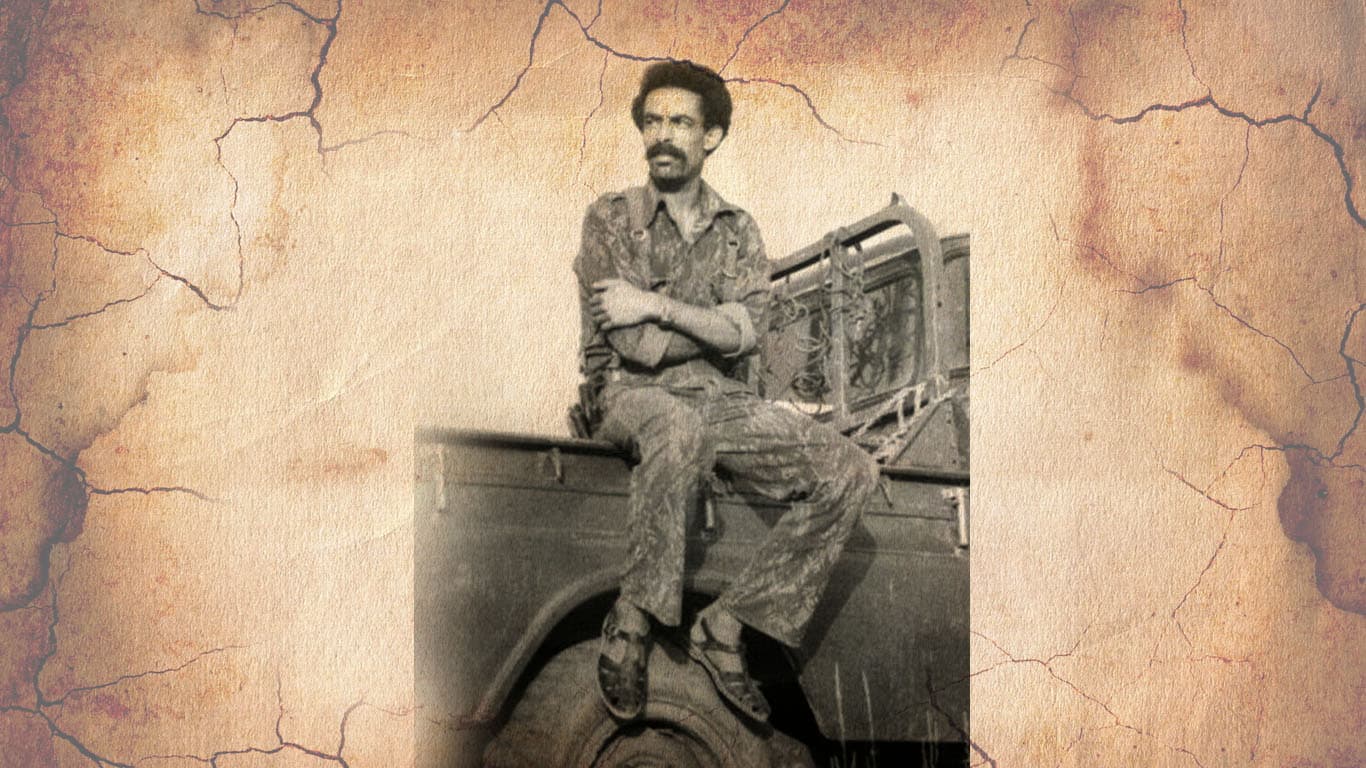
Coup within ELF led by Abdullah Idris and the Death of Melake Tekle
Abdullah Idris and his group staged a coup against the ELF leadership accusing them of defeatism and handing over their arms to the Sudanese Army. Melake Tekle resisted arrest and was killed.
23 Mar, 1983 - 31 Aug, 1983
Ethiopian Derg Government 7th Military Offensive Against EPLF - SelaHta Werar
Ethiopian Derg Government 7th Military Offensive Against EPLF - SelaHta Werar
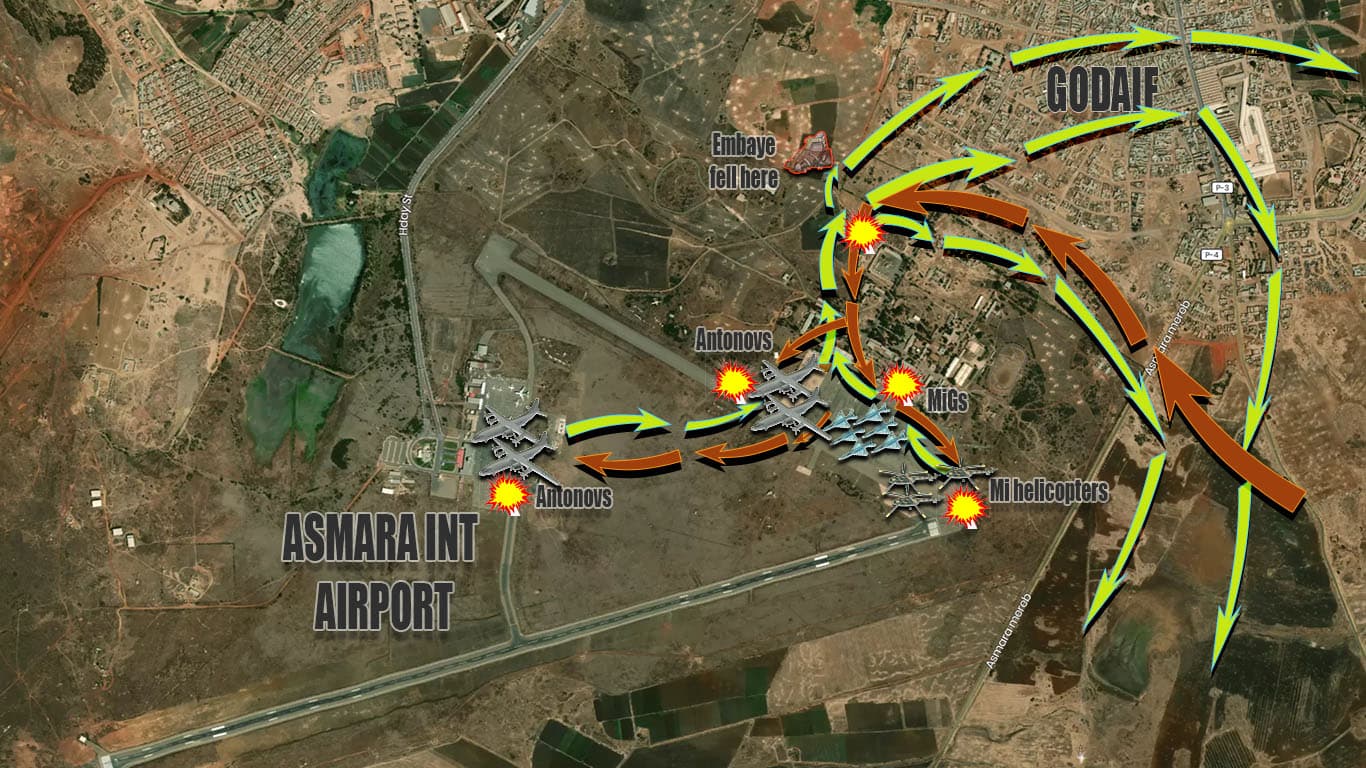
21 May, 1984
EPLF Commando 18 Minute Operation at Asmara Air Force Base
33 military aircraft were destroyed in 18 minutes by elite EPLF commando unit at the Ethiopian Air Force base at Asmara Airport.
10 Oct, 1985 - 4 Dec, 1983
Ethiopian Derg Government 8th Military Offensive Against EPLF - Operation Bahre-Nagash
Ethiopian Derg Government 8th Military Offensive Against EPLF - Operation Bahre-Nagash
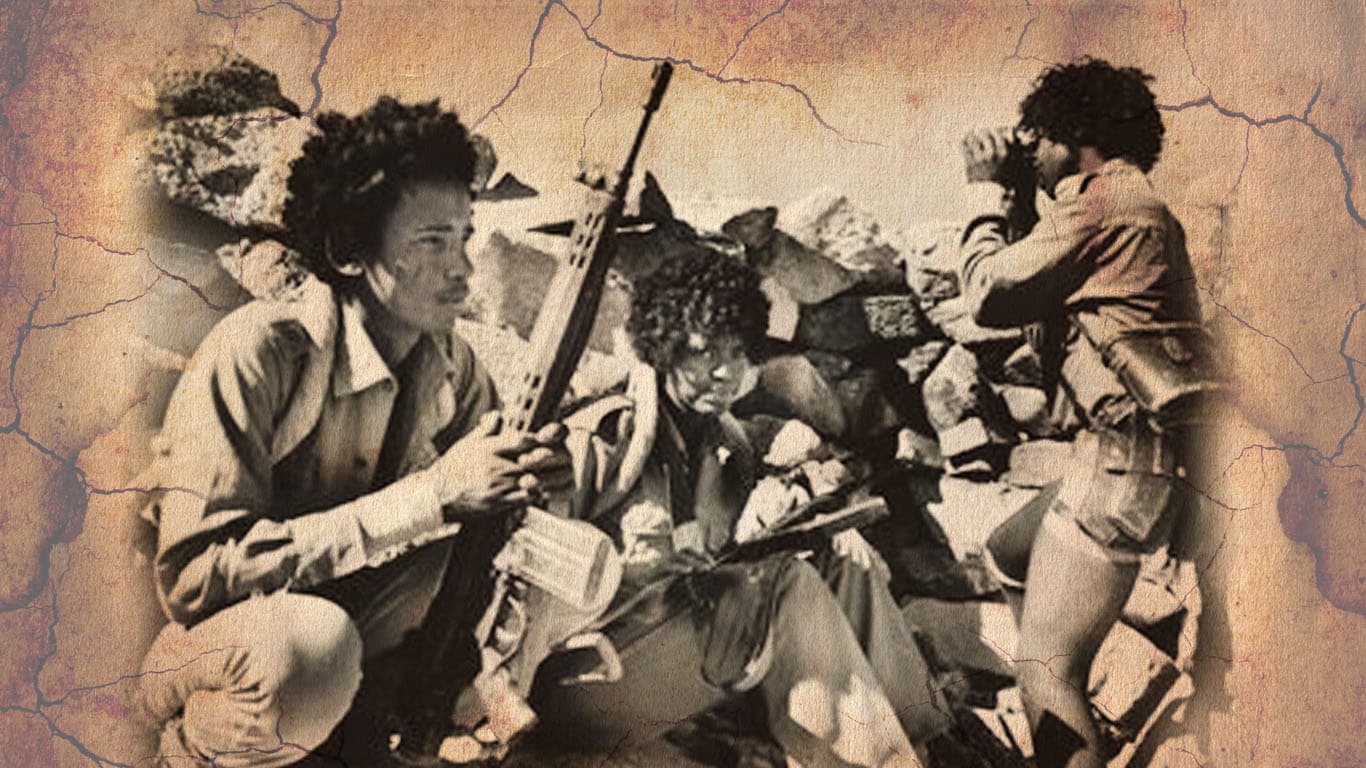
In the year 1987
EPLF's Strategy to Destroy Nadew Command
EPLF daringly planned to destroy Nadew Command after meticulous intelligence gathering and diversionary operations behind enemy lines
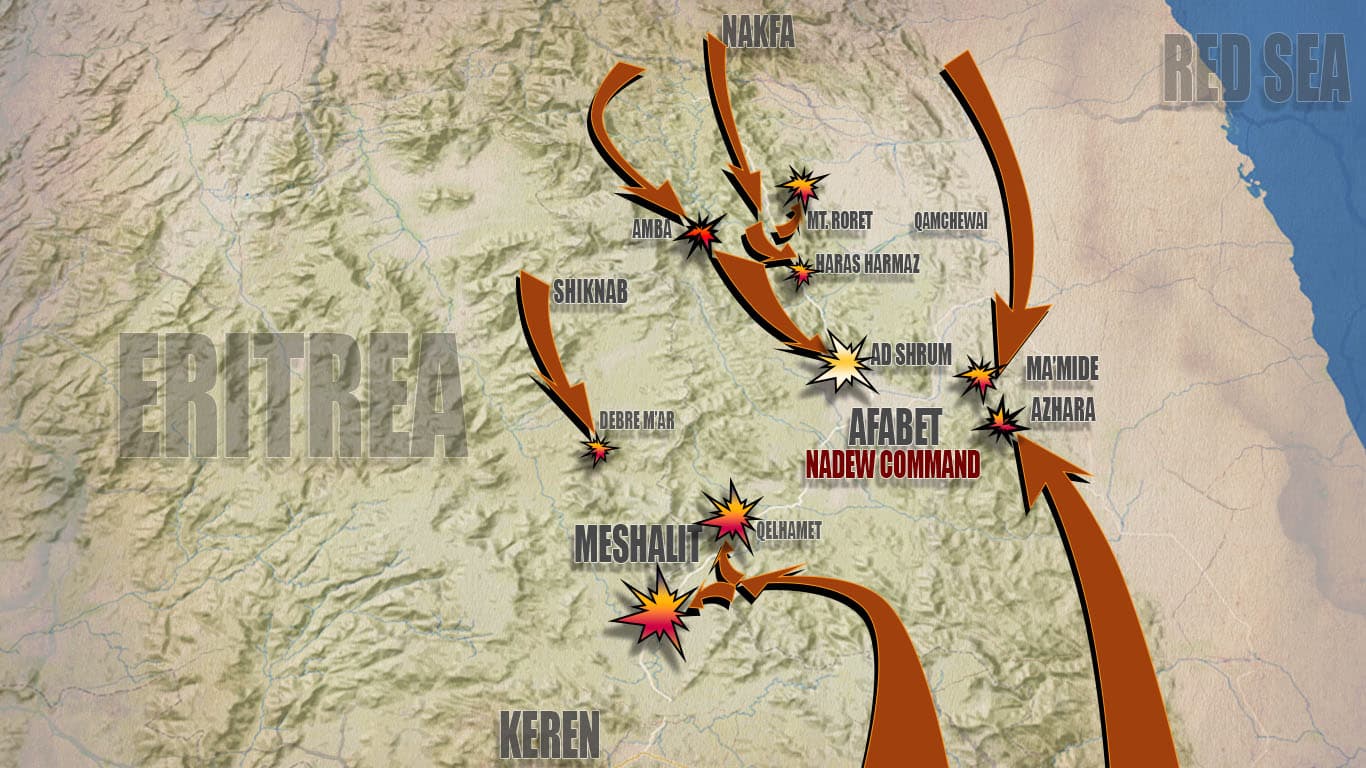
Between March of 1987 and January of 1988
EPLF's Battle Plan Against Nadew Command
EPLF's battle plan to completely encircle and annihilate the Ethiopian Army's Nadew Command at the Battle of Afabet
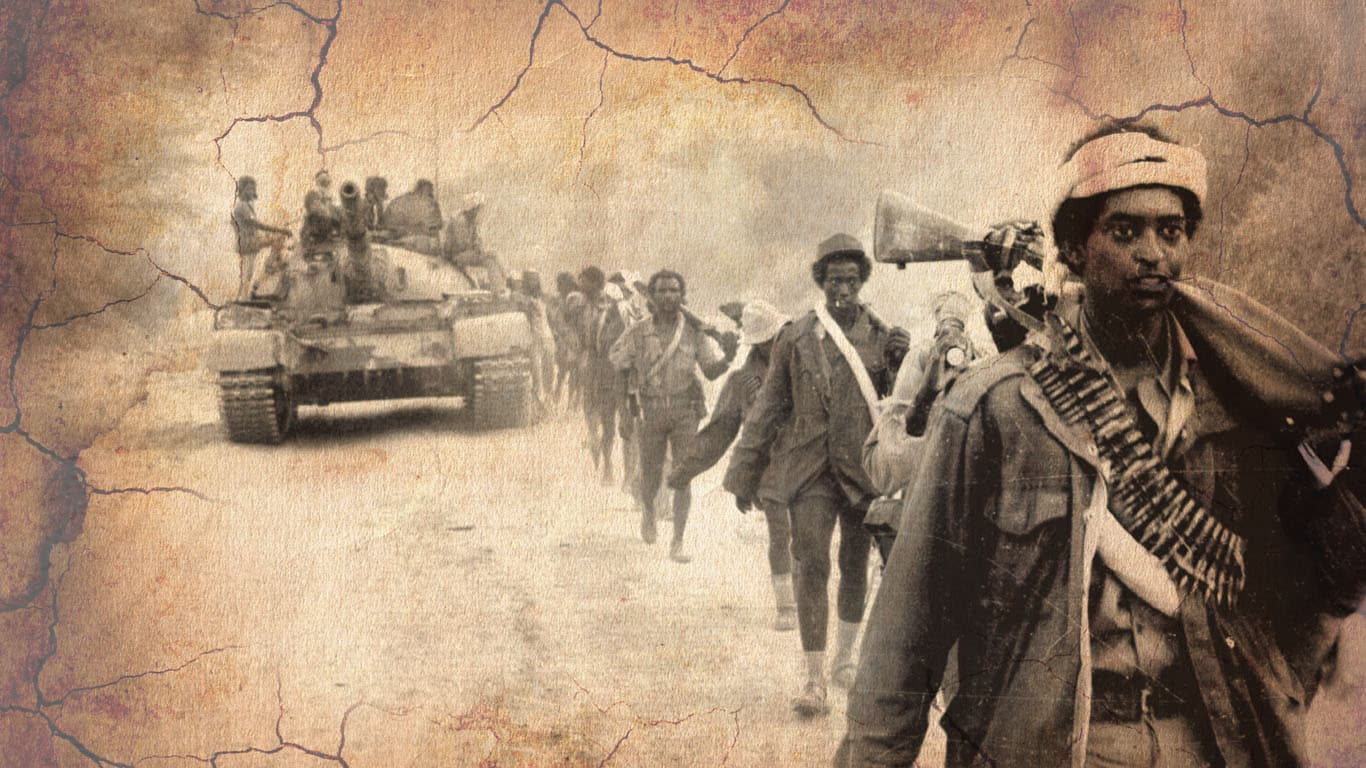
In March of 1988
Capacities of EPLF and Ethiopian Armies at Afabet
Capacities of EPLF and Ethiopian Armies at the Battle of Afabet when EPLF launched an offensive to destroy Nadew Command
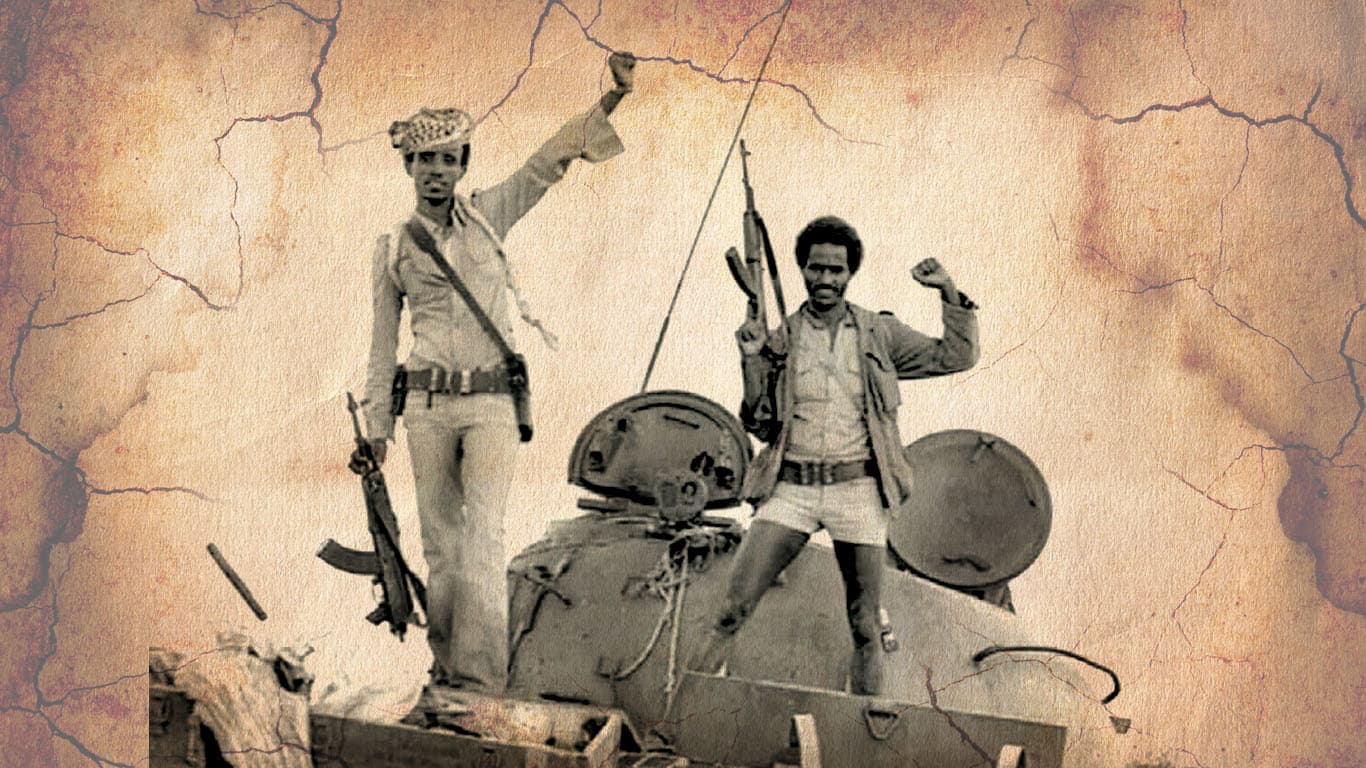
17 Mar, 1988 - 20 Mar, 1988
The Battle of Afabet – EPLF Operation to Destroy Nadew Command
The Battle of Afabet brought about the annihilation of the Ethiopian Army's Nadew Command. EPLF's growing military prowess and strategic acumen became evident.
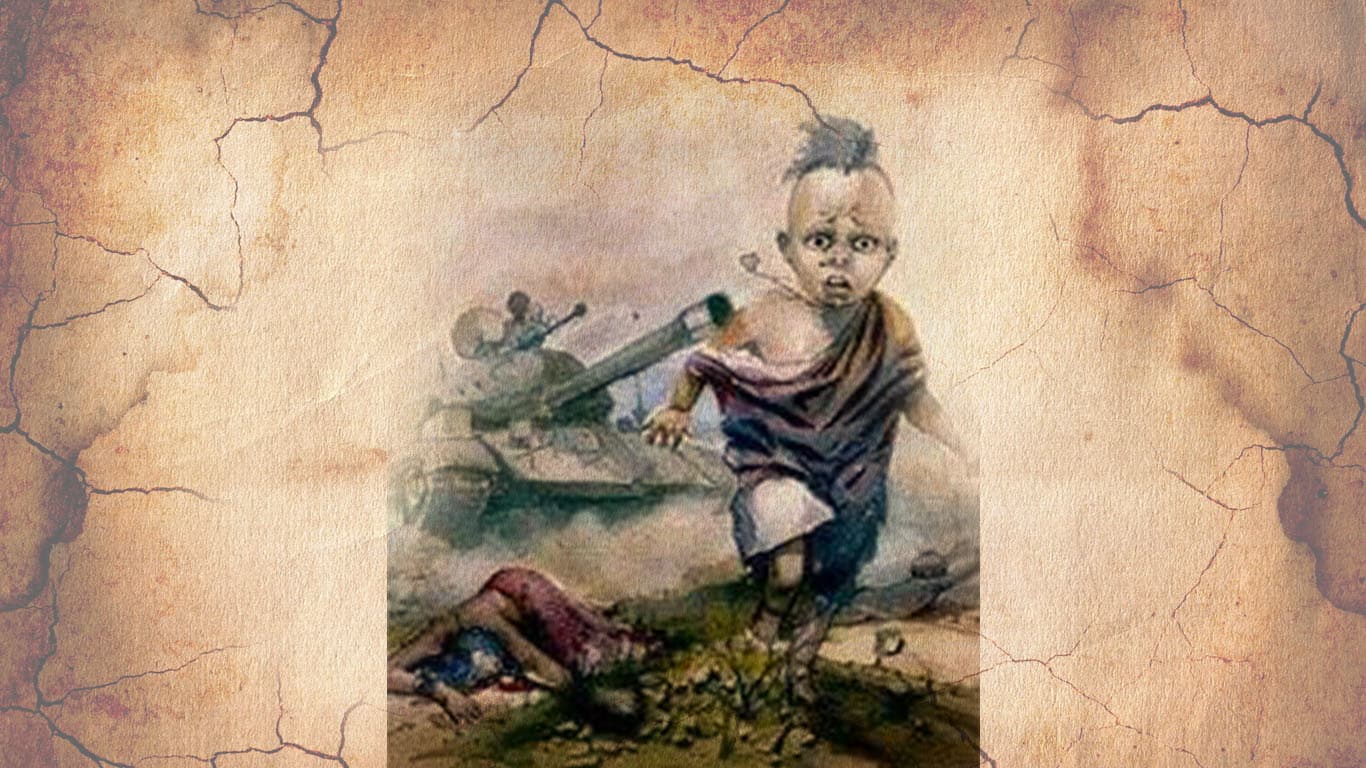
12 May, 1988
The Massacre at She'eb
Ethiopian soldiers rounded up all the residents of She'eb in the center of town and massacred 400 of them - most of them women and children
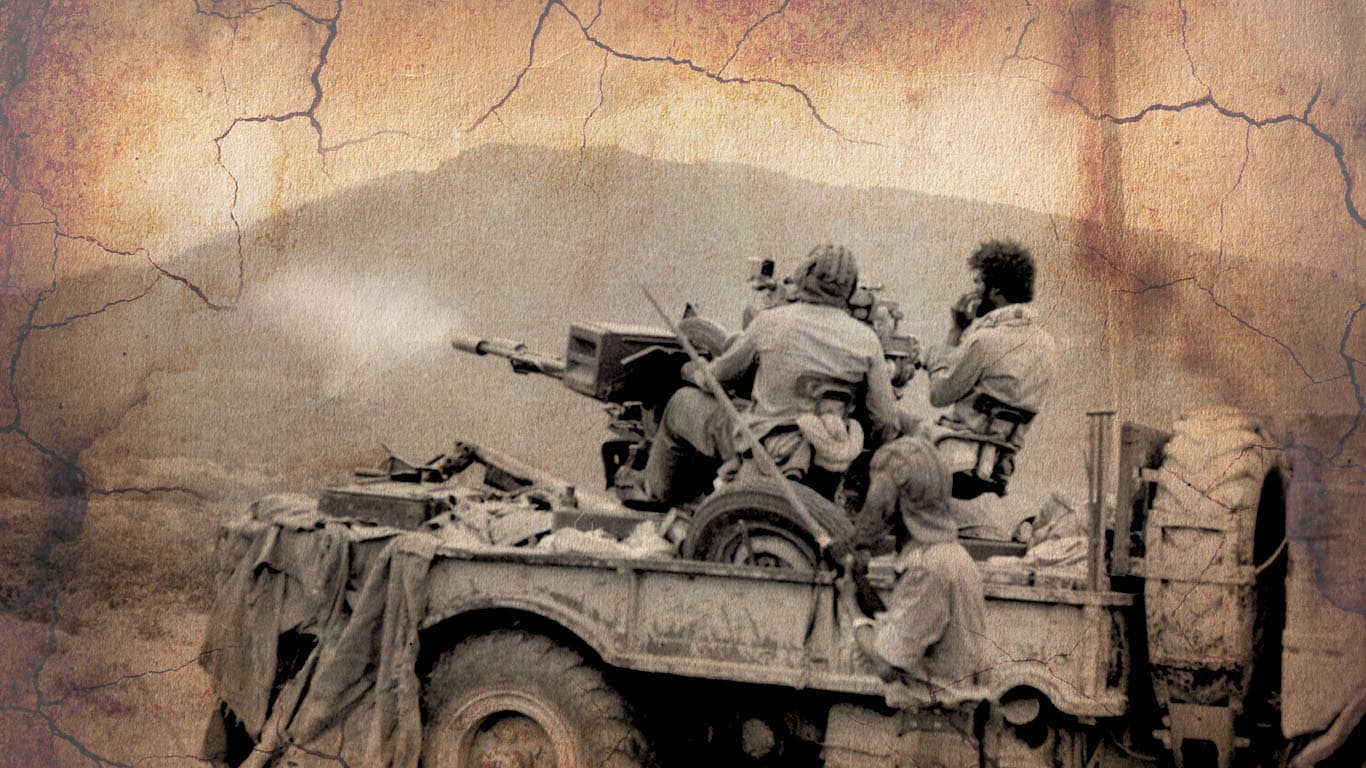
Between the months of Feb and May 1990
Formation of the Ginda Front
The formation of Ginda Front where EPLF made the stand to block all Ethiopian Army's attempts to break through to retake the port city of Massawa.
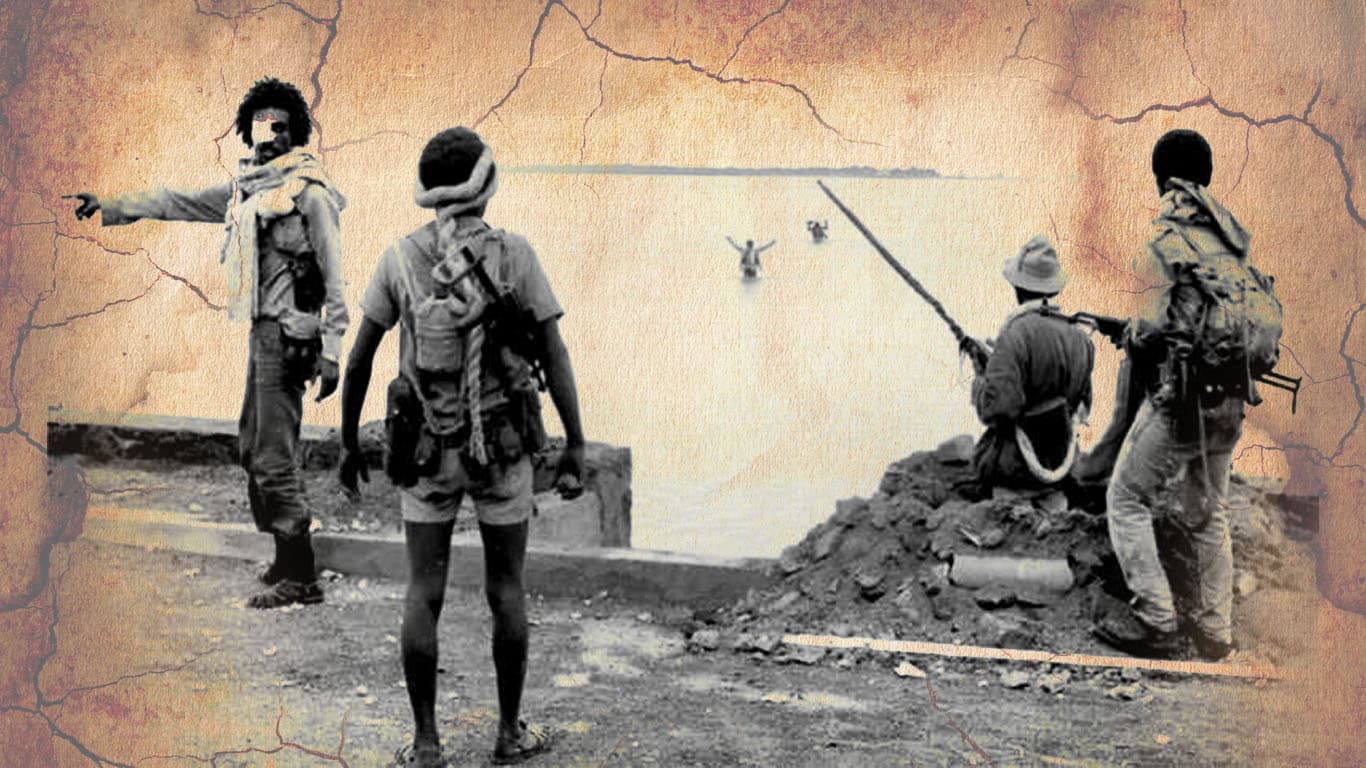
8 Feb, 1990 - 11 Feb, 1990
The Battle of Massawa - Operation Fenql
Offensive by Eritrean Peoples Liberation Front forces to liberate Massawa, Eritrea, and cut off the supply route to Asmara, facing the entrenched Ethiopian army and its naval force.
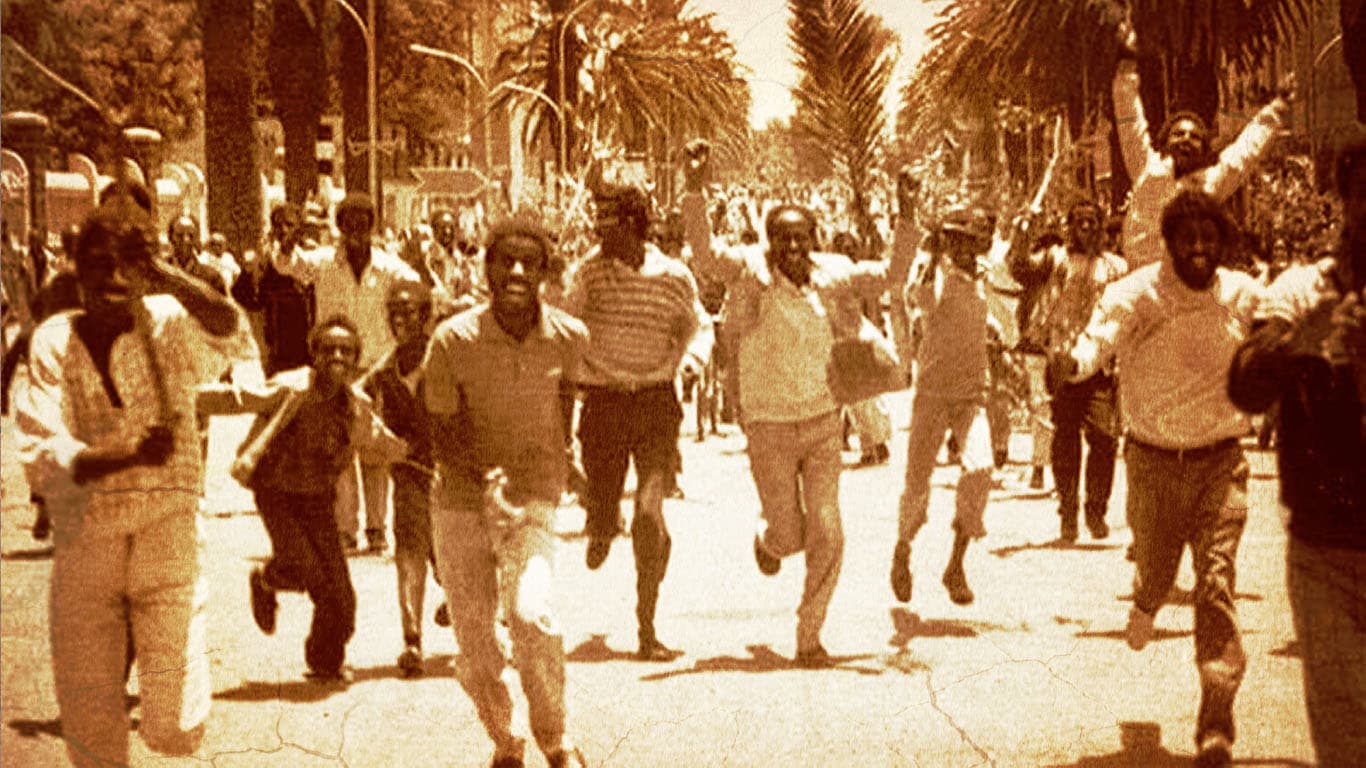
24 May, 1991
Eritrea's Liberation Day - a Victorious ending to Armed Struggle
EPLF forces moved into the capital city of Eritrea, Asmara, liberating Eritrea from the Ethiopian military rule after a 30-year bloody armed struggle.
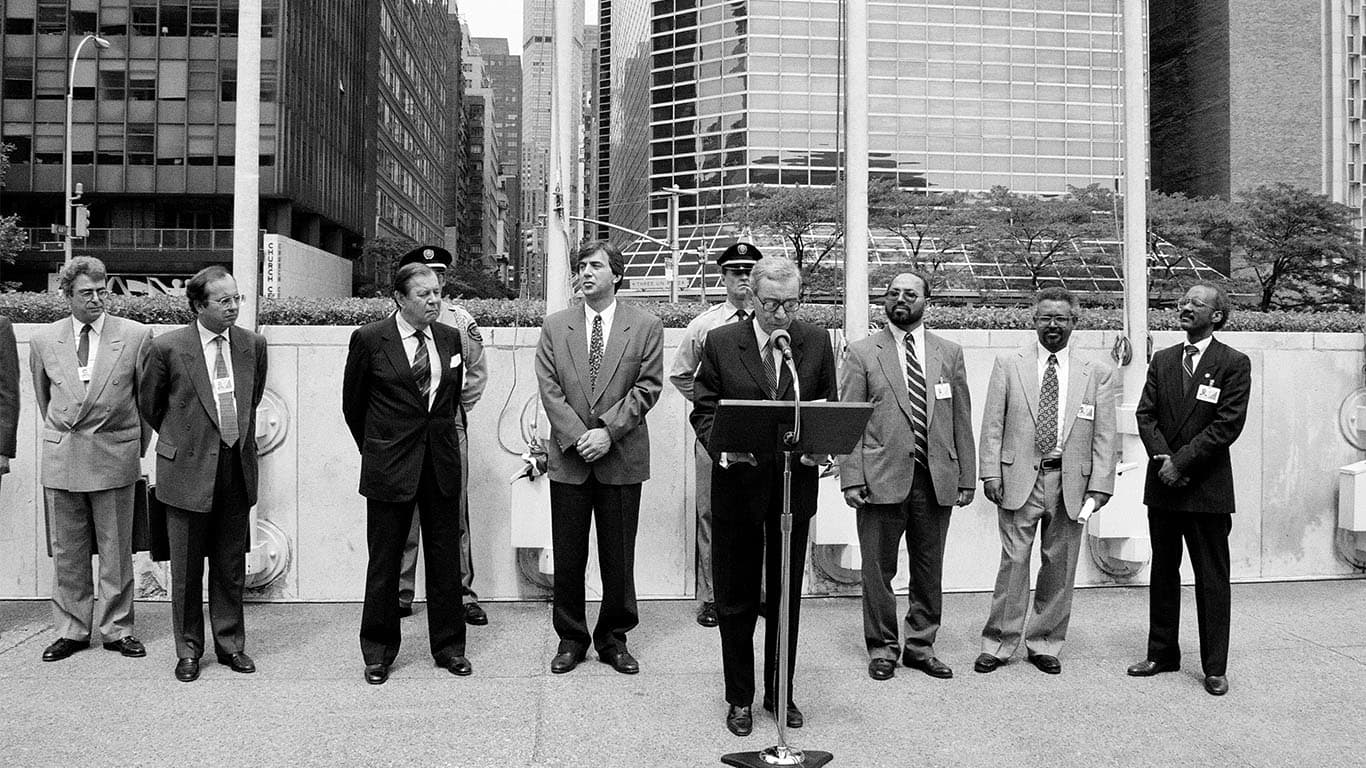
28 May, 1993
Flag-Raising Ceremony Of Eritrea at the United Nations
The flag-Raising ceremony Of the new nation of Eritrea at the United Nations in New York on May 28, 1993.
drag · scroll · click an event to read its story