
The Bevin-Sforza plan to Partition Eritrea Rejected by UN
17 May, 1949
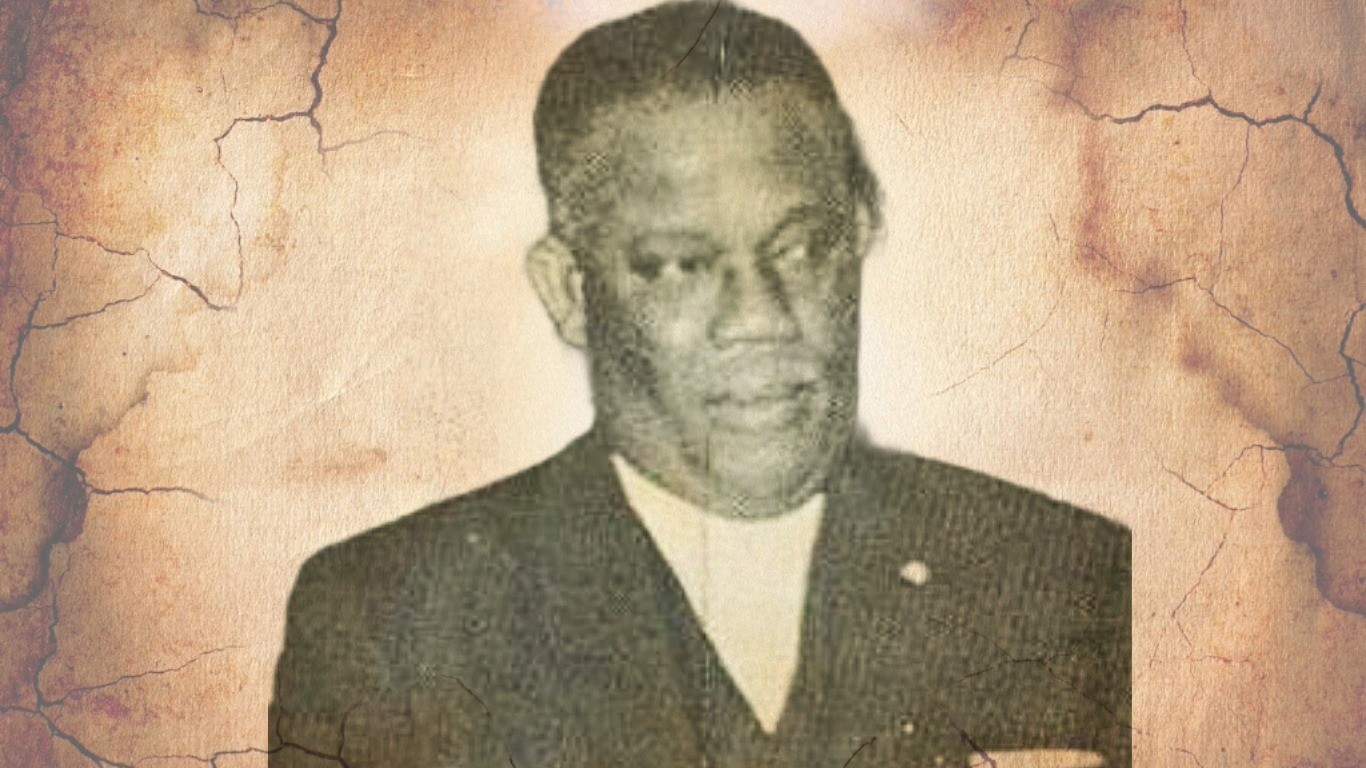 Haitian diplomat Emil St. Lot who cast the deciding vote against the Bevin-Sforza plan
Following World War II and the collapse of Italian colonial rule, the Allied powers faced the challenge of reallocating Italy’s African territories.
In May 1949, British Foreign Secretary Ernest Bevin and Italian Foreign Minister Carlo Sforza drafted a compromised settlement. The resulting Bevin-Sforza Plan was structured as a package deal designed to resolve the administrative future of Italy's former colonies of Libya, Somaliland, and Eritrea simultaneously.
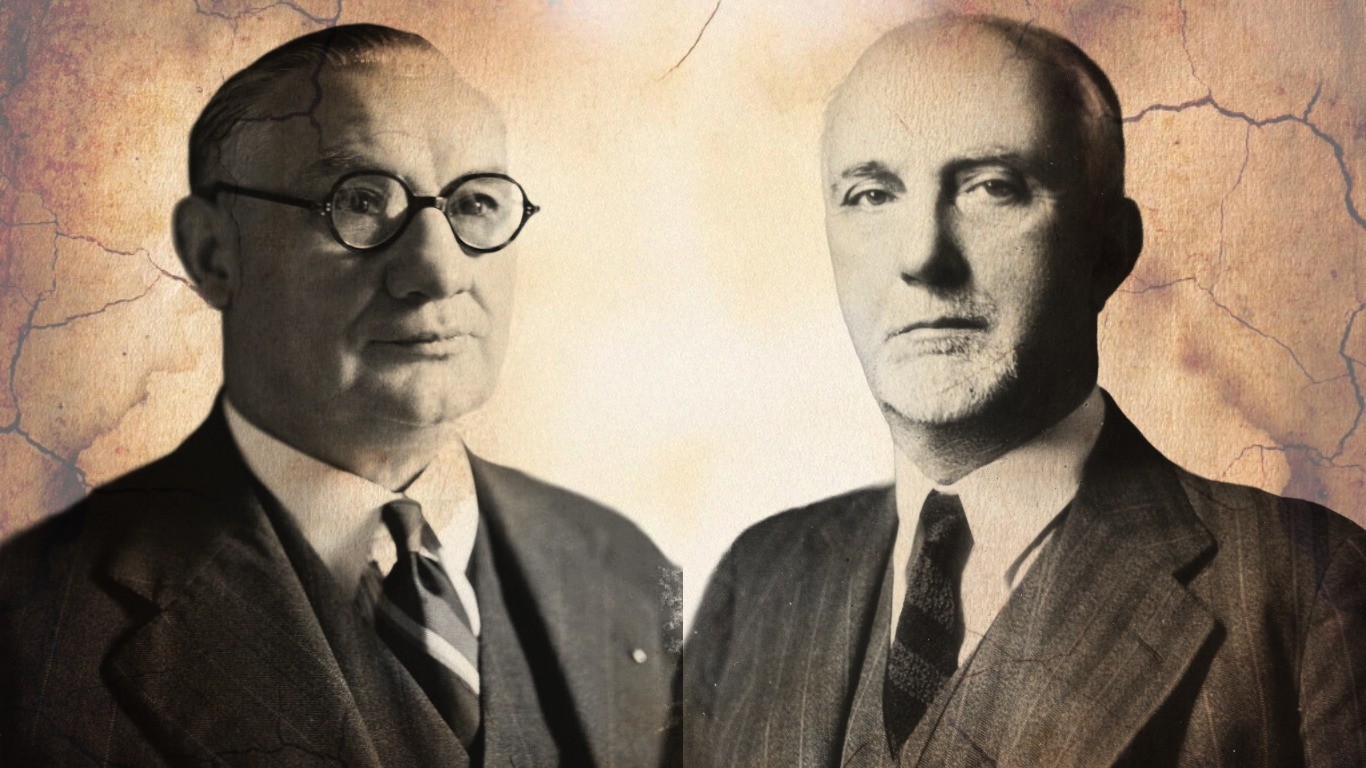 Authors of the Bevin-Sforza plan to partition Eritrea, Ernest Bevin of Britain and Carlo Sforza of Italy
Under the specific terms for Eritrea, the territory was to be divided along regional and religious lines. The Muslim-majority Western Province was slated for annexation into neighboring Anglo-Egyptian Sudan, then under British administration. The remaining Christian-majority central highlands and eastern coastlines, including the key urban centers of Asmara and Massawa, were to be ceded to the Ethiopian Empire.
The proposal immediately encountered severe resistance from multiple fronts. Within Eritrea, independence movements strongly rejected partition, advocating instead for national self-determination.
Simultaneously, the Ethiopian government opposed the plan because it demanded total sovereignty over the entire Eritrean territory rather than a partial compromise.
At the United Nations, the plan ultimately required ratification by the General Assembly, where it failed to secure the necessary two-thirds majority.
The decisive turning point occurred when Haitian delegate Emile St. Lot cast a surprise vote against the resolution. This unexpected diplomatic shift defeated the partition model and forced the international community to seek alternative solutions for the region.
The rejection of the Bevin-Sforza Plan led the United Nations to establish a commission of inquiry to evaluate local sentiment. This process culminated in United Nations Resolution 390(A) in 1950, which federated Eritrea as an autonomous unit under the Ethiopian Crown.
The subsequent dissolution of this federation by Ethiopia in 1962 would then trigger the thirty-year Eritrean War of Independence.