
Dulles Pushed Against Eritrean Independence
In December of 1950
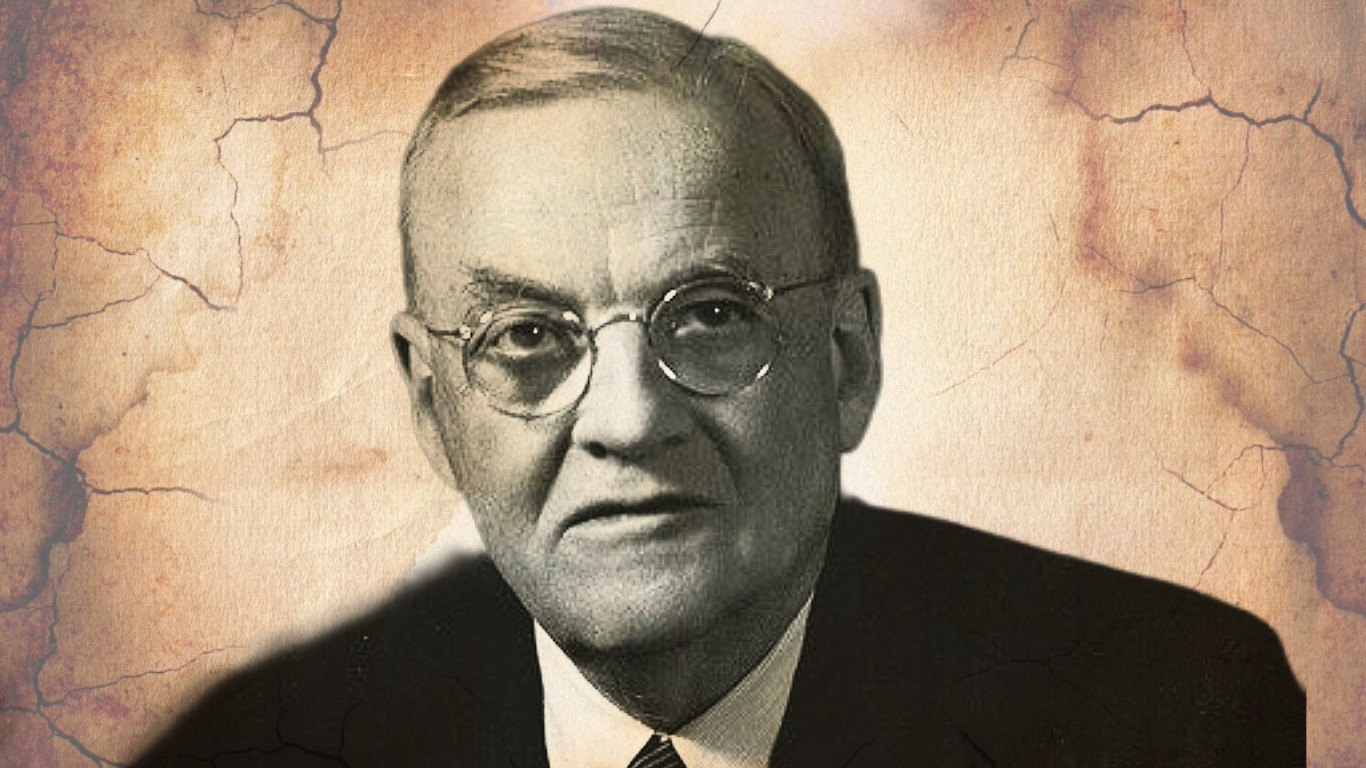 U.S. delegate to the U.N., John Foster Dulles, who issued a pivotal opinion against Eritrean independence
John Foster Dulles first presented his pivotal opinion on Eritrea's future during a formal statement to the United Nations General Assembly in December 1950. At the time, the international community was fiercely debating how to handle former Italian colonies following the conclusion of World War II. Dulles, serving as a prominent United States delegate to the UN, directly positioned American strategic necessity ahead of local self-determination.
The immediate backdrop for this decision was the intense global rivalry of the early Cold War. The United States desperately sought reliable, anti-communist allies in the Horn of Africa and the broader Middle East. Emperor Haile Selassie of Ethiopia positioned himself as a steadfast, pro-Western partner who could help contain Soviet expansion in exchange for territorial expansion.
A major driver behind this diplomatic alignment was a critical American military asset located right inside Eritrea. The U.S. military operated a vital communications and intelligence listening post in Asmara, which later became known as Kagnew Station. This facility was irreplaceable for intercepting Soviet communications and tracking aerospace transmissions across the region.
To guarantee uninterrupted access to this base, the United States needed a sovereign partner who could legally secure the territory. Emperor Selassie promised the U.S. continued access to the Asmara base, provided Washington supported Ethiopia's claim over Eritrea. This backdoor arrangement directly shaped the compromise Dulles successfully pushed through the UN chambers.
Dulles famously summarized this transactional diplomacy to the UN Assembly by stating,
From the point of view of justice, the opinions of the Eritrean people must receive consideration. Nevertheless, the strategic interest of the United States in the Red Sea basin and the considerations of security and world peace make it necessary that the country be linked with our ally Ethiopia.
This stance effectively ignored the findings of a UN commission that had revealed local desires for independence that could not be ignored. Instead, realpolitik and Western military dominance triumphed over the wishes of the population.
This dismissal of local wishes for autonomy deeply alarmed Eritrean independence leaders who were pleading their case to the international community.
Ibrahim Sultan Ali, the prominent leader within the Independence Bloc, vehemently protested this proposition against independence at the U.N., with a stark warning of its implications for the future, stating,
If a wrong decision is taken forcing us to struggle to safeguard our identity and obtain our independence, then the members of this Committee will shoulder the responsibility for the hostilities that arise in East Africa
Similarly, the prominent pro-independence figure Woldeab Woldemariam countered the Western narrative by declaring that the right to freedom belonged to the people.
Conversely, Unionist leaders within Eritrea weaponized the geopolitical climate to drive a completely different agenda. Led by figures like Tedla Bairu, the Unionist Party weaponized political and religious divisions, going so far as to issue decrees demanding total social isolation for independence advocates. They actively campaigned under the premise that Eritrea was an indivisible piece of the Ethiopian motherland, successfully matching the strategic desires of the Western powers.
This 1950 declaration laid the groundwork for UN Resolution 390, which officially federated Eritrea with Ethiopia in 1952. The forced union proved unstable, leading Ethiopia to completely annex Eritrea a decade later and dissolve its autonomy. Dulles's short-term Cold War strategy ultimately triggered a brutal, thirty-year war for Eritrean independence.